
Engineering, But Make It Fashion. How Today’s Aesthetic Trends Push Engineers Into New Skills — And How CE Helps Them Keep Up
Dec 13, 2025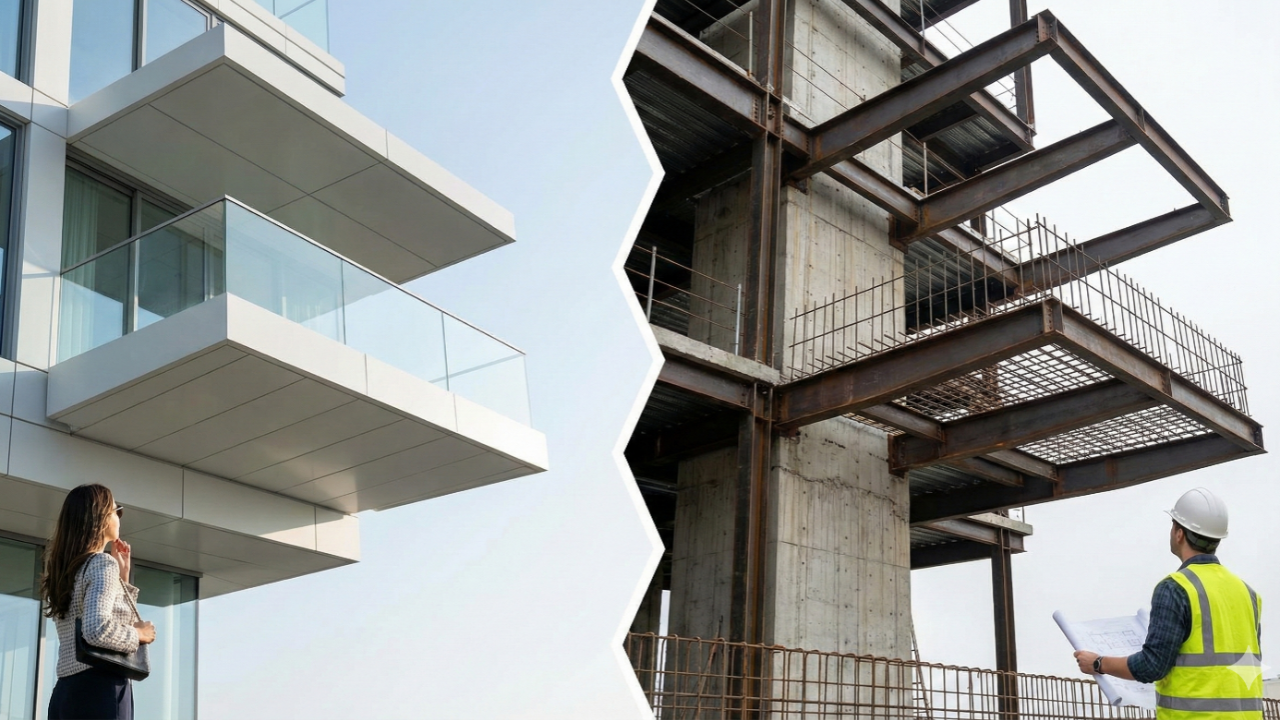
The New Demands of Modern Engineering
There was a time when engineers were asked for one main thing: make the building stand up.
Now, they’re asked to make it stand up beautifully—with thinner slabs, fewer columns, cleaner ceilings, invisible supports, and a façade that somehow looks like glass suspended by optimism.
Welcome to modern engineering: a place where physics is still in charge, but aesthetics walks in with impossible requests and a Pinterest board.
And yet, engineers make it work.
The shift from “function first” to “function and fashion” has reshaped the profession. This blog explores the hidden pressures behind trending design requests, what engineers wish clients knew, and the real strategies that help turn high‑style dreams into safe, functional buildings.
Aesthetic engineering is not simply engineering wrapped in attractive finishes. It’s a completely new skill set—and our modern CE courses are now designed to support it.
The New Architectural Mood Board: Aesthetics First, Explanations Later
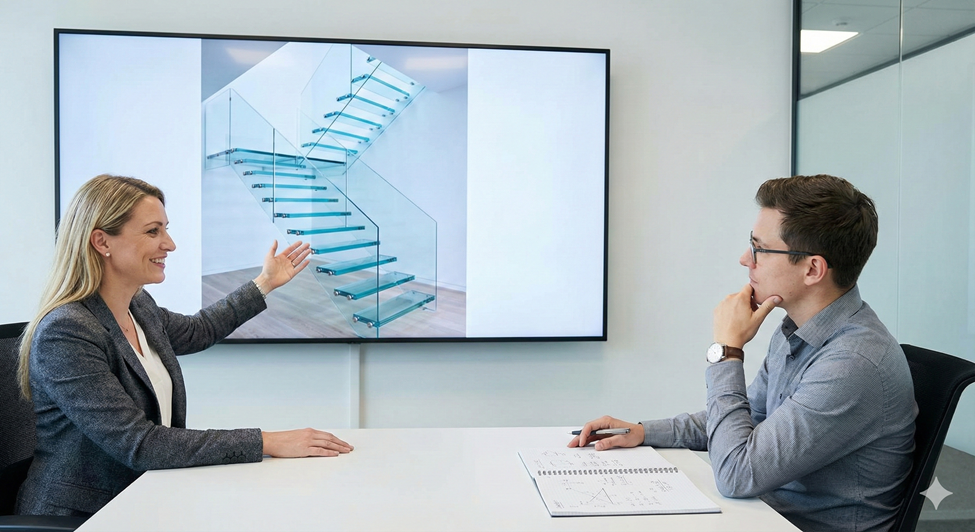
The Client’s Dream vs. The Engineer’s Reality
Let’s set the scene. A design meeting begins. The client unveils an inspirational image saved from social media—a sleek glass staircase floating in a room with no visible structure, no beams, and suspiciously no shadows. “This,” they say, “is what we want.”
The engineer smiles politely, nods strategically, and begins the mental translation:
-
Where are the load paths?
-
Where does this stair actually connect?
-
What supports the landing?
-
What material is thin enough to hide but strong enough to work?
-
Is this even buildable without two months of coordination?
Architects imagine what the space should feel like. Clients imagine what the space should look like. Engineers imagine how the space won’t collapse.
The truth is, modern aesthetics are stunning—but they’re also structurally ambitious, demanding a level of engineering that very few outside the profession ever see.
Today’s Continuing Education isn’t about repeating fundamentals. It’s about giving engineers the language, tools, and confidence to participate in aesthetic‑driven design decisions.
The “Thin Is In” Movement—and Why It Keeps Engineers Awake at Night
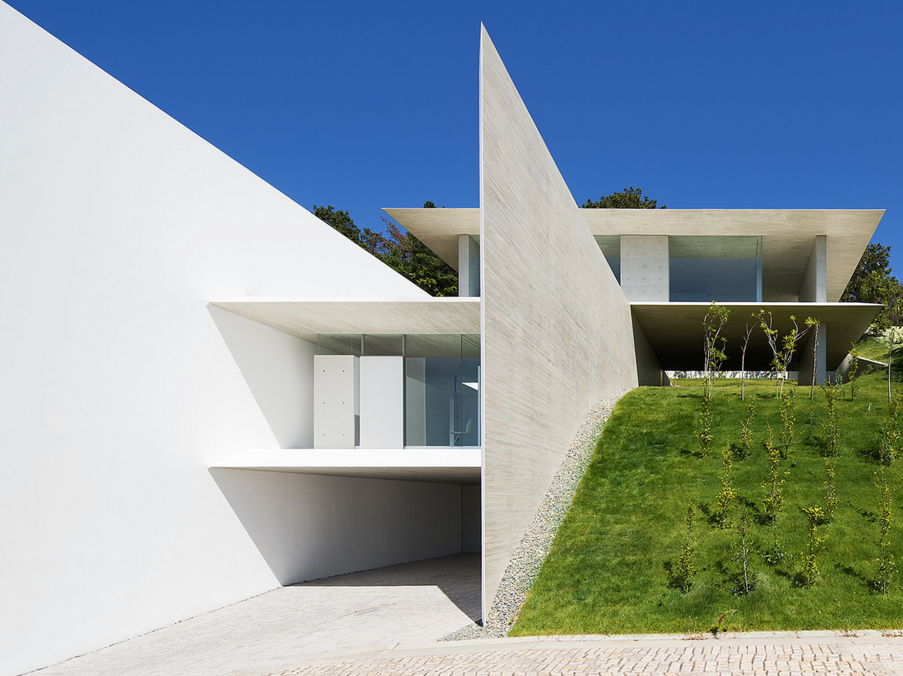
The “Thin Is In” Movement—and Why It Keeps Engineers Awake at Night
Minimalism is gorgeous. Clean lines, open space, long spans, thin slabs—visually, it’s architectural poetry. Structurally, it’s…extra homework.
Why everyone wants thin structures:
-
They photograph beautifully
-
They feel modern and luxurious
-
They create visual calm
-
They maximize space
-
They remove “visual clutter”
Why engineers hesitate:
-
Thinner = less stiffness
-
Less stiffness = more deflection
-
More deflection = unhappy clients (and cracked finishes)
-
Thinner slabs reduce fire resistance
-
Slender columns risk buckling
-
Long spans amplify vibration issues
-
Hidden beams complicate mechanical coordination
A four‑inch slab spanning like a bridge might look aesthetically pleasing, but it generates hours of structural gymnastics behind the scenes.
Slender structures may look effortless— but making them safe is anything but effortless.
The Glass Problem: Transparency Isn’t Just a Design Decision
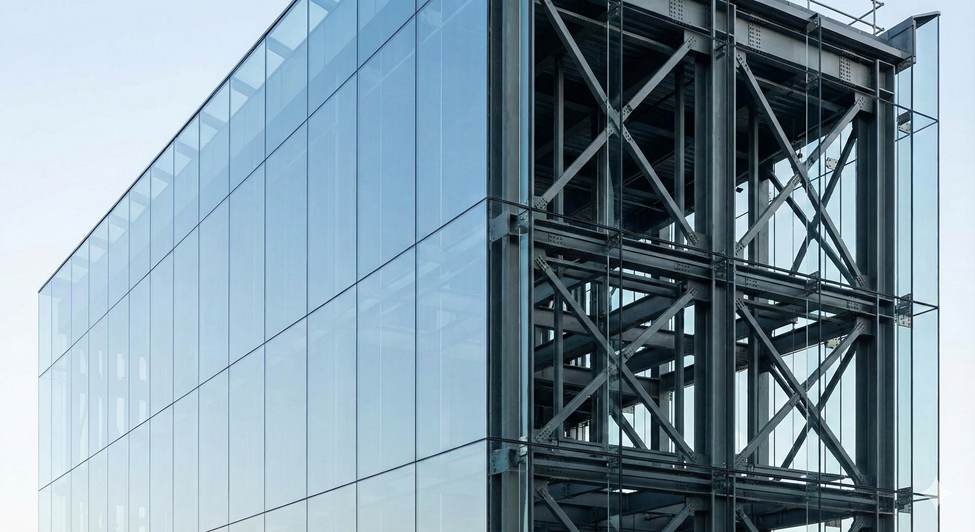
The Glass Problem: Transparency Isn’t Just a Design Decision
Everyone loves glass. It’s sleek, bright, and makes buildings feel open and modern.
But engineers know that every stunning glass element comes with a list of responsibilities:
Real challenges behind the beauty:
-
Glass is heavy—much heavier than clients realize.
-
It needs support, even when the design demands it “disappear.”
-
It expands and contracts dramatically with temperature.
-
It vibrates more than concrete or steel.
-
It compromises insulation and creates energy challenges.
-
It needs redundancy to avoid catastrophic breakage.
Example: A global retail brand insisted on a glass façade without visible mullions.
Engineers ended up designing a concealed steel frame so intricate it became more expensive than the façade itself. The building looks “clean,” but beneath the surface is a structural metal skeleton worthy of a museum exhibit.
Aesthetic simplicity is often supported by structural complexity.
Floating Stairs: Instagram Loves Them, Calculations Don’t
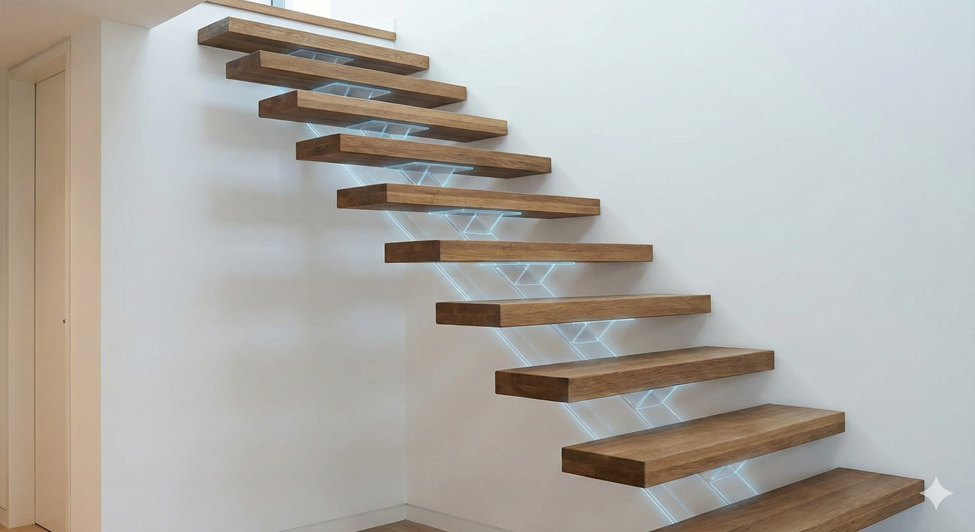
Floating Stairs: Instagram Loves Them, Calculations Don’t
A floating staircase is one of the most impressive architectural gestures—but engineers know they rely on:
-
hidden steel stringers
-
wall reinforcement beefed up significantly
-
vibration control
-
precise anchorage
-
tight construction tolerances
-
specialty glass or wood systems
-
strict safety codes
When someone says, “Can it float more?” an engineer quietly recalculates the laws of physics.
Floating stairs aren’t just a trend. They’re engineering in disguise—a structural illusion powered by logic and steel.
Parametric and Curved Designs: Geometry by Algorithm, Reality by Engineer
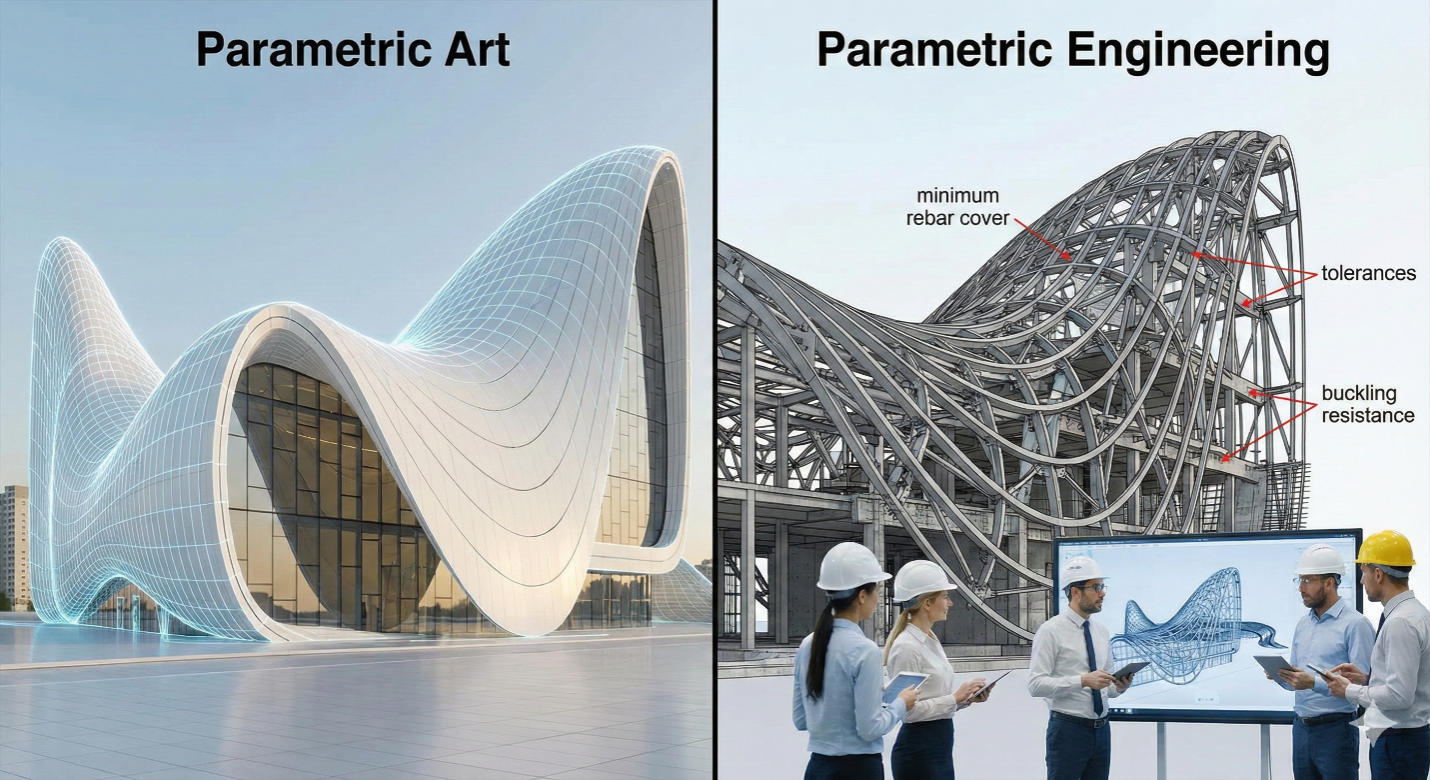
Parametric and Curved Designs: Geometry by Algorithm, Reality by Engineer
Parametric design has opened the door to stunning forms—twisted towers, rippling façades, biomorphic curves.
These shapes are easy to generate in software…but that software does not think about:
-
minimum rebar cover
-
slab thickness limits
-
constructability
-
tolerances
-
mechanical routing
-
fire‑rating requirements
-
buckling resistance
The result? Engineers become the translators—turning algorithmic art into real‑world building systems.
The hidden work engineers do:
-
simplify complex geometry without altering the aesthetic
-
redesign systems to match available materials
-
simulate performance under load
-
coordinate every bend and break with fabricators
-
analyze wind amplification on curved forms
-
resolve torsion created by non‑linear geometry
Parametric art is beautiful. Parametric engineering is heroic.
Sustainability: Beautiful Buildings With a Carbon Diet
Clients want visually stunning structures—but also:
-
low‑carbon concrete
-
steel alternatives
-
mass timber
-
recycled materials
-
high‑performing façades
-
solar‑integrated skins
-
net‑zero‑ready structures
All excellent goals. All design challenges.
Example:
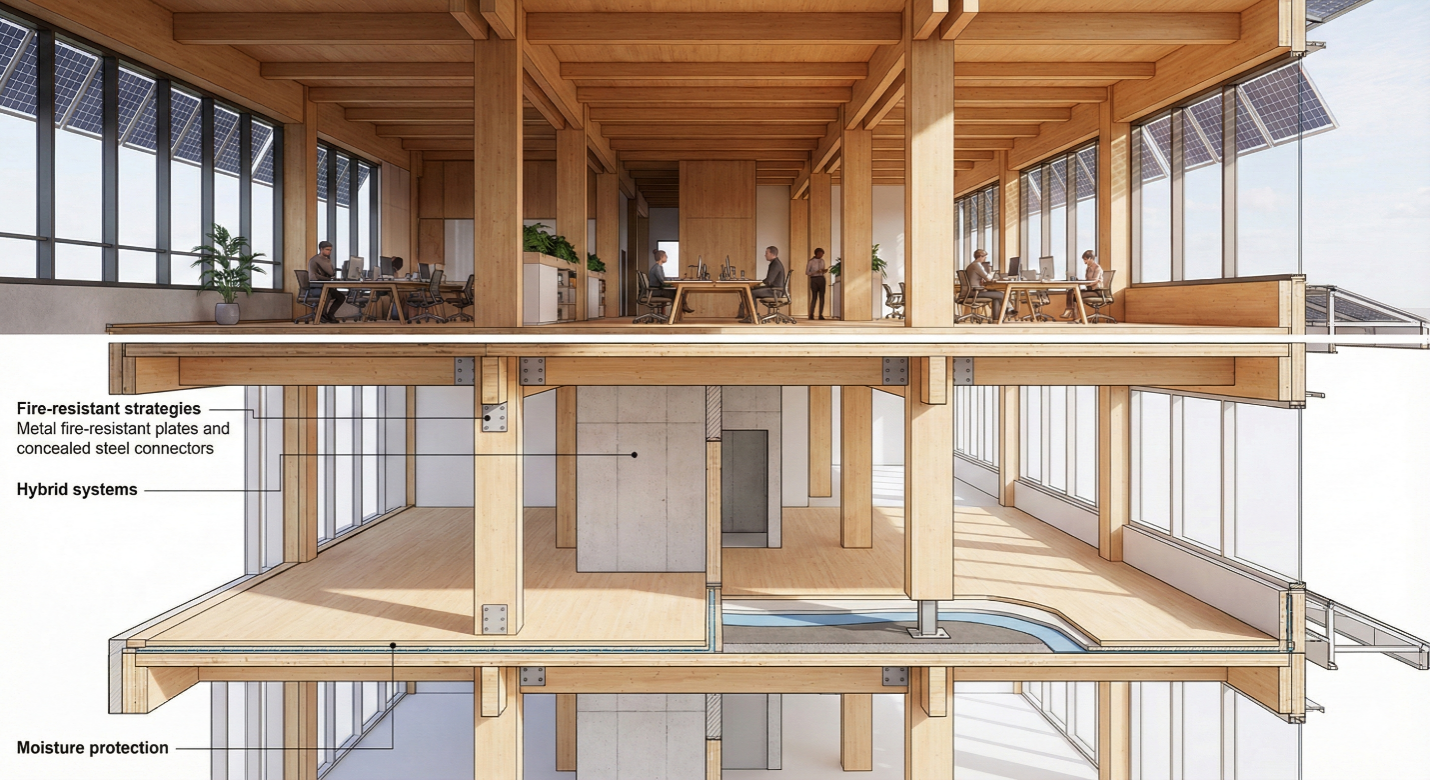
Mass Timber: Warm, Elegant, and Structurally Demanding
Mass timber (CLT) is warm, elegant, Instagram‑friendly—and growing in popularity.
But timber expands, contracts, creeps, and burns differently compared to traditional materials. Engineers must design:
-
specific connection details
-
vibration‑resistant floors
-
moisture protection
-
hybrid systems with steel
-
fire‑resistant strategies
Aesthetic and sustainable design is exciting, but it multiplies the number of things engineers must consider at once.
What Engineers Wish Clients Knew—but Can’t Always Say Aloud
-
“Clean ceilings” hide very messy coordination. Beams don’t disappear—they move into slabs, walls, or systems.
-
“Open concept” means the load must go somewhere. Removing one column often requires reinforcing several others.
-
“Floating” isn’t a structural term. It means concealed steel—and lots of analysis.
-
Glass needs support and safety layers. Aesthetics can’t override safety.
-
Every aesthetic upgrade changes the engineering. Even small visual adjustments cascade into major structural decisions.
How Engineers Turn Fashion Into Function—Practical Solutions
✔ 1. Understand materials like a designer and an engineer UHPC, CLT, hybrid floors, composites—every aesthetic depends on material behavior.
✔ 2. Join the design conversation early Late engineering involvement = redesigns, frustration, and delays.
✔ 3. Use advanced analysis tools Digital twins, BIM, parametric integration, FE modeling—they reveal conflicts before construction.
✔ 4. Think long‑term performance A detail that looks good today must still function 20 years later.
✔ 5. Communicate constraints visually Clients understand drawings and renderings more than formulas.
✔ 6. Document everything When aesthetics challenge physics, documentation is your best friend.
Final Thoughts: Beauty Is Easy—Making It Safe Is Engineering
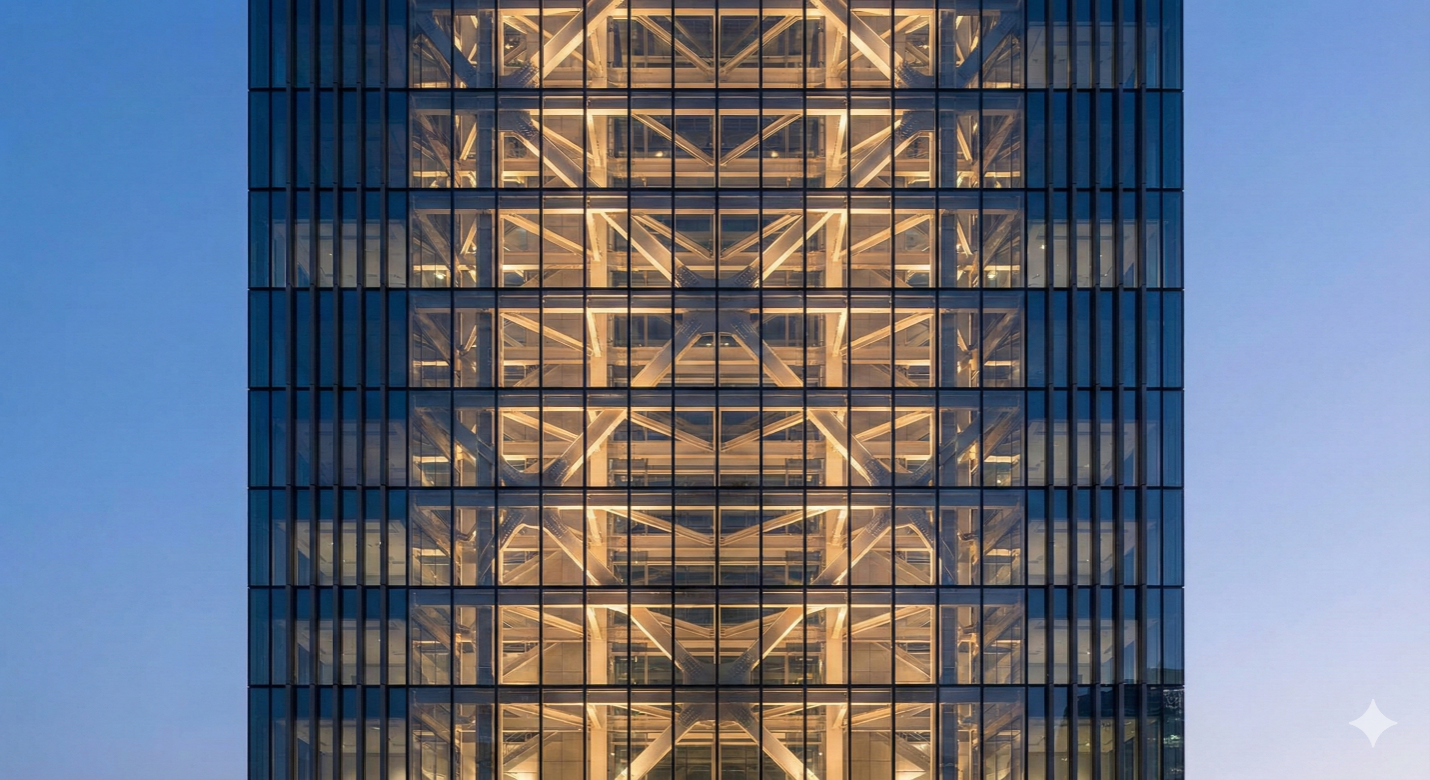
Engineering, But Make It Fashion
Aesthetic architecture may get the spotlight, but engineers quietly ensure:
-
gravity is respected
-
vibrations are controlled
-
loads are supported
-
materials are used correctly
-
safety codes are met
-
long‑term performance is guaranteed
Continuing Education isn’t paperwork.
It’s empowerment. It’s how engineers stay ahead of design trends, new materials, evolving codes, and aesthetic demands.
When beauty challenges physics, engineering rises to the occasion— and Continuing Education gives engineers the tools to make that possible confidently.
“Engineering, But Make It Fashion” isn’t a trend—it’s the new reality.
Beautiful buildings don’t happen despite engineering. They happen because of it. And in a world that keeps demanding thinner, cleaner, sleeker, more “wow,” engineers continue to prove that function and fashion don’t have to be enemies.
In fact, they’re becoming partners.
Never Miss the Latest in CE Trends!
Sign Up for New information about CE classes delivered to your inbox.
We hate SPAM. We will never sell your information, for any reason.