
Social Work in a TikTok World
Dec 13, 2025
When a 15-Second Video Shapes Expectations, Emotions, and Conversations
The New Reality in Sessions
There was a time when clients entered sessions referencing books, personal experiences, or something they heard from a neighbor.
Now?
They come in saying:
“I saw this TikTok therapist explain my attachment style…”
“There’s a trend about diagnosing yourself with…”
“This creator said this behavior means trauma.”
“A video told me to cut off half my family immediately.”
And suddenly, the session becomes a three-way conversation — between you, the client, and the algorithm.
TikTok isn’t the problem. It’s the new environment social workers must learn to navigate. It’s fast. It’s emotional. It’s influential. And it is actively shaping how people understand — and sometimes misunderstand — their own mental health.
A Quick Word on CE (Because Social Workers Now Need a TikTok Toolbox)

Modern Continuing Education isn’t just about ethics and documentation anymore. It increasingly involves:
-
digital literacy
-
online behavior patterns
-
media influence on self‑diagnosis
-
short‑form communication
-
understanding how algorithms shape identity and relationships
Continuing Education helps social workers speak the client’s language, recognize trends quickly, and identify when a viral message is affecting a client’s expectations, fears, or labels. It gives professionals the vocabulary to meet clients where they are—even if “where they are” is a tiny screen with eight‑second attention spans.
The TikTok Effect: When 15 Seconds Become a “Diagnosis”
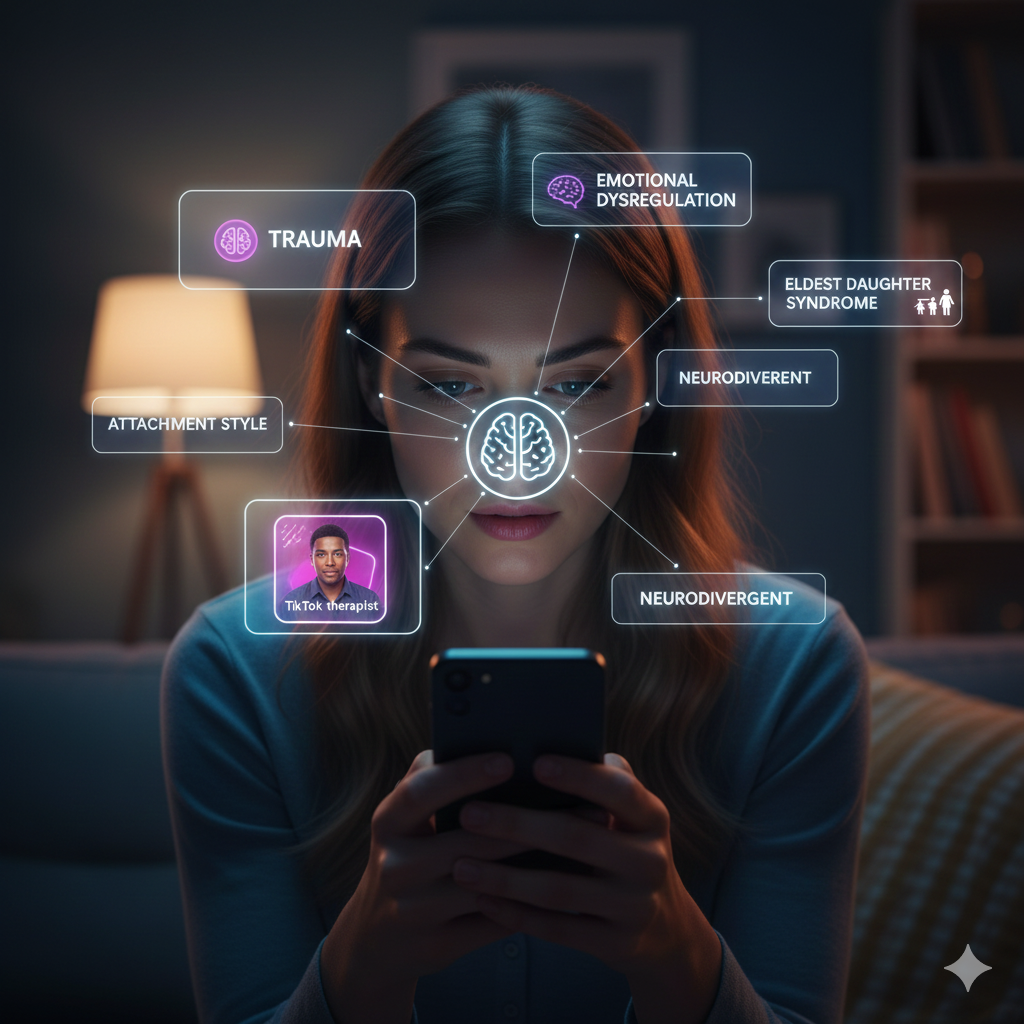
Let’s be honest: TikTok is not trying to be a clinical tool—it’s trying to be captivating.
Mental‑health content performs extremely well on the app, so the algorithm pushes messages like:
-
“If you do THIS… you have trauma.”
-
“Signs you’re the eldest daughter in the family system.”
-
“This ONE habit shows you’re neurodivergent.”
-
“If this sound makes you anxious, here’s why.”
It’s emotional. It’s quick. It’s relatable.
But clients often don’t realize that mental health is not a five‑bullet checklist.
Did you know? TikTok’s “relatable psychology” trend has increased both awareness and confusion. Research shows rising numbers of people seeking support after self‑identifying through social media—even when they’re unsure what they’re identifying with.
Social workers see this firsthand: clients increasingly enter sessions with labels first and context second.
Self‑Diagnosis: Insightful or Misleading? The Answer Is… Both

Self‑diagnosis on TikTok is not inherently harmful. For many, it’s validation—language for something they’ve felt but never named.
The challenge, however, is precision.
TikTok doesn’t do nuance. It does:
-
clear categories
-
quick checklists
-
confident statements
-
oversimplified patterns
The platform turns complex behavior into “sound bites,” and clients often absorb those sound bites as truths.
A common client question social workers now hear is: “Do I have this… or am I just resonating with the content because it’s popular?”
This is where social work steps in—not to dismiss, but to contextualize.
The Rise of “Relatable Trauma” Here’s a modern surprise: trauma has become… trendy.
Not in a dismissive way, but in a cultural, language‑shifting way.
People say things like:
-
“This triggered my trauma response.”
-
“My inner child didn’t like that.”
-
“My avoidant attachment is showing.”
-
“TikTok says I’m emotionally unavailable.”
Some of these terms are correct. Some are misapplied. Most come from creators simplifying content to fit 20 seconds.
Trauma language is becoming part of everyday speech—which can help, but also overwhelm.
Reflection exercise: Think of a recent session where the client brought a phrase from social media. Was it helpful, or was it a distraction from the real issue?
This shift requires social workers to gently guide clients from viral language to their lived experience.
Influencer Psychology: When Parasocial Becomes Personal
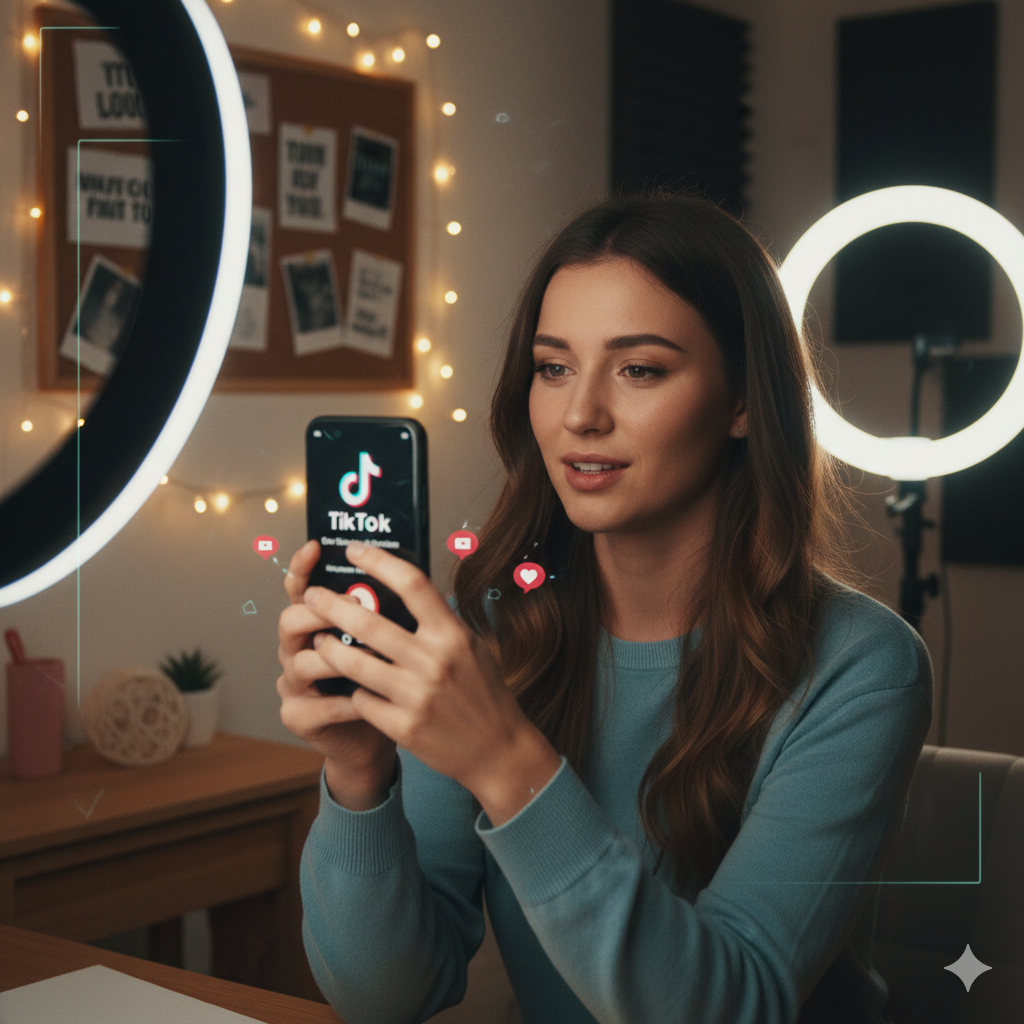
Influencers aren’t therapists—but to many followers, they feel like emotional anchors.
TikTok creators share stories that feel:
-
intimate
-
raw
-
authentic
-
unfiltered
Clients often say things like:
-
“I feel like they get me.”
-
“They explained it better than anyone ever has.”
Parasocial relationships aren’t new, but TikTok accelerates them.
Did you know? Influencers with no formal training often become emotional role models for viewers simply because they post consistently and speak in accessible language.
That doesn’t make them harmful, but it does mean social workers need to understand where clients are learning their frameworks.
The Algorithm Shapes Mental Health Expectations
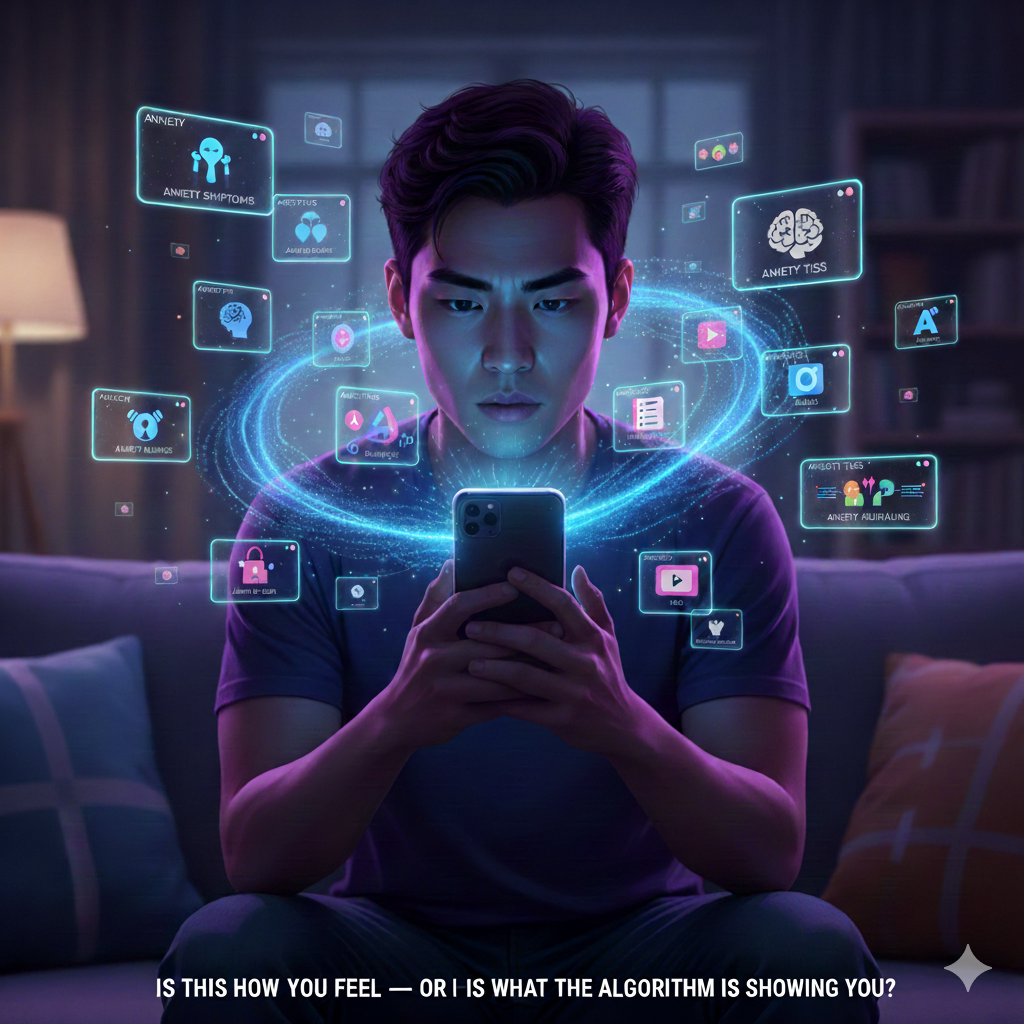
TikTok learns what you watch—and then it shapes what you believe you need.
Imagine a client watches one video about anxiety. Suddenly their feed becomes:
-
anxiety tips
-
anxiety symptoms
-
anxiety indicators
-
anxiety “tests”
-
anxiety humor
-
anxiety journaling
-
anxiety routines
The client sees only one thing: “My whole feed is anxiety—I must have severe anxiety.”
But their feed is not a diagnosis; it’s an algorithm mirroring curiosity.
This is where social workers must ask the powerful question: “Is this how you feel—or is this what the algorithm is showing you?”
It’s a grounding moment clients rarely expect.
Communication in a TikTok World: Faster, Shorter, More Visual Social workers are noticing something new: clients explain their feelings in short, punchy clips—almost like captions.
People speak in:
-
scripts
-
trending phrases
-
aesthetics
-
short analogies
-
micro‑stories
This is not bad; it’s the new digital dialect.
But it challenges traditional communication models, especially with young adults and adolescents.
Hypothetical: If your client can explain their feelings only in TikTok‑style summaries, how do you expand that into a full, grounded conversation?
This is where the modern social worker shines—translating short‑form emotion into long‑form healing.
Social Workers Are Adapting: Not to TikTok—But to the People Using It

TikTok is not something to “fix.” It’s something to understand.
Social workers adapt by:
-
validating client perspectives without validating misinformation
-
exploring how trends influence self‑image
-
using culturally relevant language
-
gently unpacking oversimplified self‑diagnoses
-
recognizing when content empowers versus overwhelms
-
helping clients separate algorithmic influence from personal truth
-
teaching media literacy in a nonjudgmental way
The goal isn’t to compete with TikTok—it’s to offer what TikTok can’t: context, continuity, nuance, and care.
CE — The Support System Social Workers Need in a Digital Culture TikTok is reshaping communication at the speed of the scroll. Continuing Education is where social workers learn to keep up—not by becoming tech experts, but by understanding:
-
digital mental‑health cultures
-
online self‑diagnosis patterns
-
algorithm‑driven identity formation
-
youth communication styles
-
boundary setting in online environments
-
ethical considerations in a hyper‑digital age
Continuing Education helps social workers build modern strategies without losing the heart of the profession.
Because the platform may be new, the trends may be fast, and the language may be different—but the goal remains the same:
Help people understand themselves beyond what the algorithm tells them.
Never Miss the Latest in CE Trends!
Sign Up for New information about CE classes delivered to your inbox.
We hate SPAM. We will never sell your information, for any reason.