The Glass Problem: Transparency Isn’t Just a Design Decision
Dec 13, 2025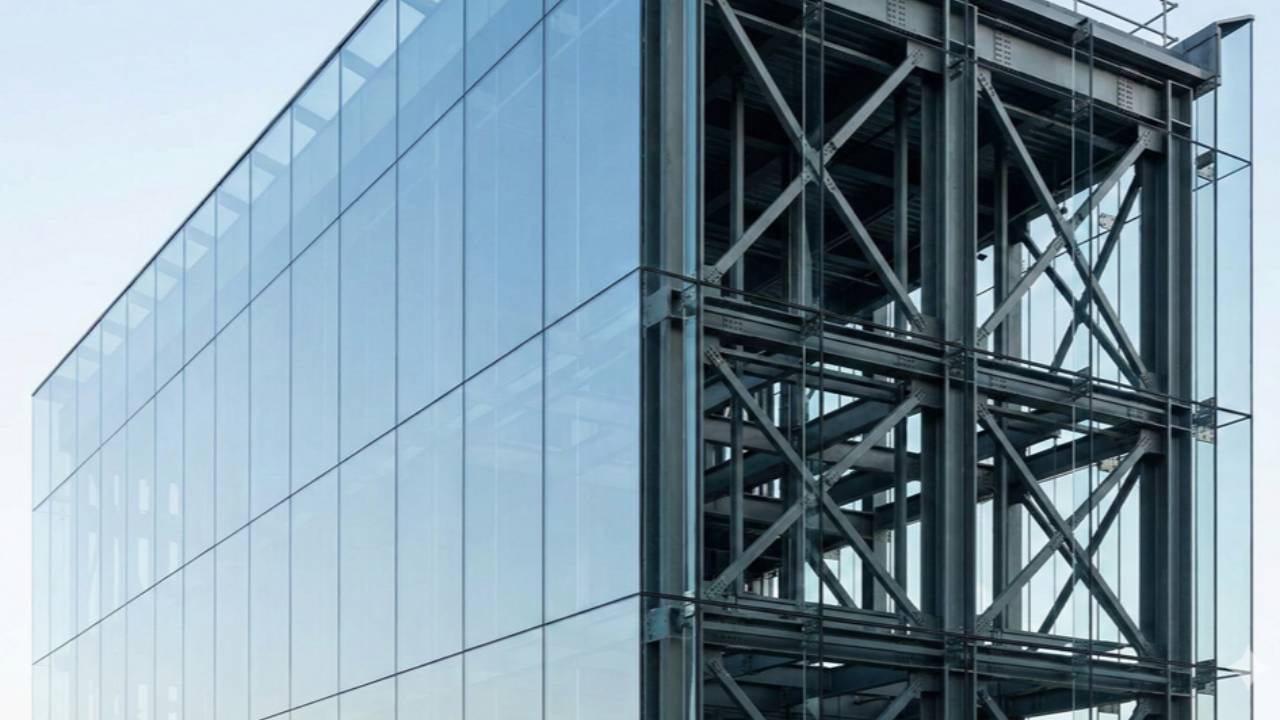
Why Everyone Loves Glass
Everyone loves glass. It’s sleek, bright, and makes buildings feel open and modern. Architects and clients are drawn to its ability to transform a space—flooding interiors with natural light, creating a sense of openness, and delivering that contemporary “wow” factor. From retail storefronts to corporate headquarters, glass has become the material of choice for those who want their buildings to feel cutting‑edge and inviting.
The Hidden Responsibilities
But engineers know that every stunning glass element comes with a list of responsibilities. Behind the beauty lies a series of challenges that must be addressed before the design can ever be considered safe or functional.
Real challenges behind the beauty:
-
Glass is heavy. Much heavier than clients realize.
-
It needs support — even when the design demands it “disappear.”
-
It expands and contracts dramatically with temperature.
-
It vibrates more than concrete or steel.
-
It compromises insulation and creates energy challenges.
-
It needs redundancy to avoid catastrophic breakage.
Each of these factors adds complexity to what appears, on the surface, to be a simple design choice.
A Real‑World Example
Example: A global retail brand insisted on a glass façade without visible mullions. The request sounded straightforward—after all, the client wanted a clean, uninterrupted surface that would showcase their products and brand identity. But the reality was far more complicated.
Engineers ended up designing a concealed steel frame so intricate it became more expensive than the façade itself. Every connection had to be hidden, every load carefully transferred, and every tolerance accounted for. The building looks “clean,” but beneath the surface is a structural metal skeleton worthy of a museum exhibit.
This example highlights the truth: aesthetic simplicity is often supported by structural complexity.
The Bigger Picture
Glass may look effortless, but making it safe requires engineering precision at every step. From calculating load paths to designing hidden supports, engineers must balance the client’s desire for transparency with the realities of physics, material science, and building codes.
What seems like a simple design request—“make it all glass”—quickly becomes a multidisciplinary challenge involving thermal expansion, vibration control, energy efficiency, and safety redundancy.
Final Thoughts
Everyone loves glass. It’s sleek, bright, and modern. But engineers know that every stunning glass element comes with responsibilities that are invisible to most observers. Aesthetic simplicity is often supported by structural complexity, and nowhere is that more evident than in the world of glass design
Never Miss the Latest in CE Trends!
Sign Up for New information about CE classes delivered to your inbox.
We hate SPAM. We will never sell your information, for any reason.