
Unlimited CE Hours For Social Workers, One Simple Annual Pass
Earn all the CE hours you need this year with on‑demand, board‑approved trainings created for social workers, so you can protect your license without last‑minute stress.
For $69.99 for 12 months, you get unlimited access to every PDH Hub Social Work course. Read anytime, from anywhere, and download your certificates as you go. No juggling sign‑ups, no surprise fees, no scrambling before renewal.
- Unlimited access for 12 months to all Social Work courses in the PDHhub library
- Earn CE hours on your schedule with concise, practical trainings
- New social work classes included automatically throughout the year
- Instant certificates of completion you can download for your board or employer
- One single payment of $69.99 for the full year. If it’s not the right fit within 14 days, just reach out and we’ll make it right
Browse the complete library of available continuing education courses below.

Continuing Education For Licensed Social Workers
Your work is meaningful—your CE should be manageable.
Because if you can handle difficult clients, complicated systems, and emotional roller-coasters, CE should be the easiest part of your day.
Take flexible, supportive courses that help you stay compliant while strengthening your practice. Learn at your pace, maintain your licensure, and continue making a difference.
Care. Connect. Comply.

Who will Benefit From these classes?
BROWSE OUR CLASSES
Browse the available courses below. Full course descriptions follow.
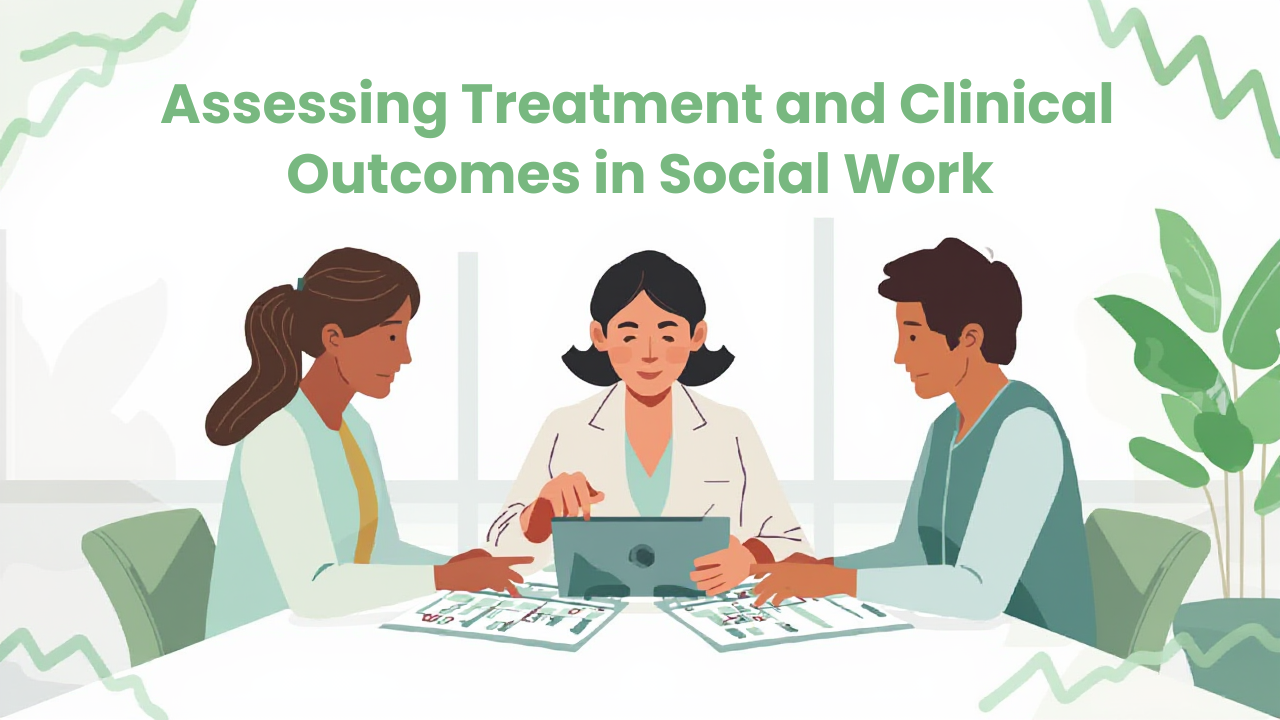
Assessing Treatment and Clinical Practice Outcomes in Social Work
2 CE Hours
This CE course teaches social workers to evaluate interventions using quantitative/qualitative measures, client-centered approaches, and outcome data to improve practice and accountability.
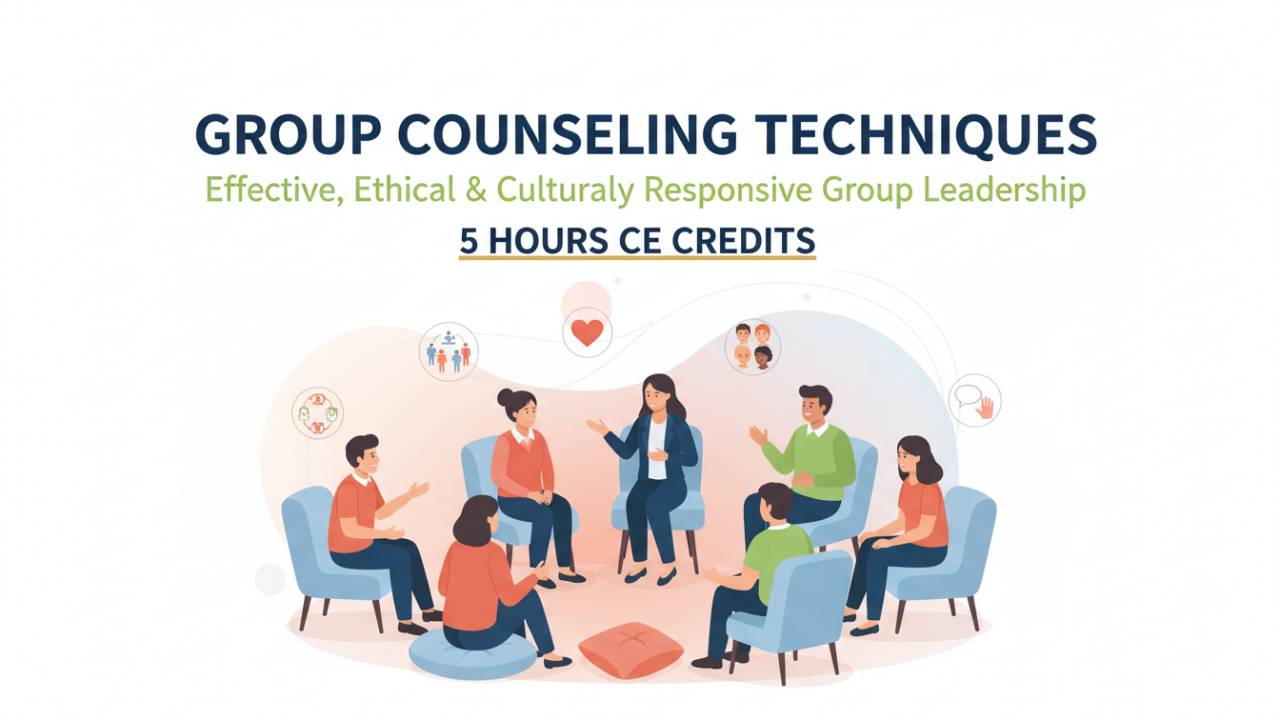
Group Counseling Techniques
5 CE Hours
This course equips social workers with group counseling theories, skills, and tools to lead effective, ethical, and culturally responsive therapeutic groups across diverse practice settings.
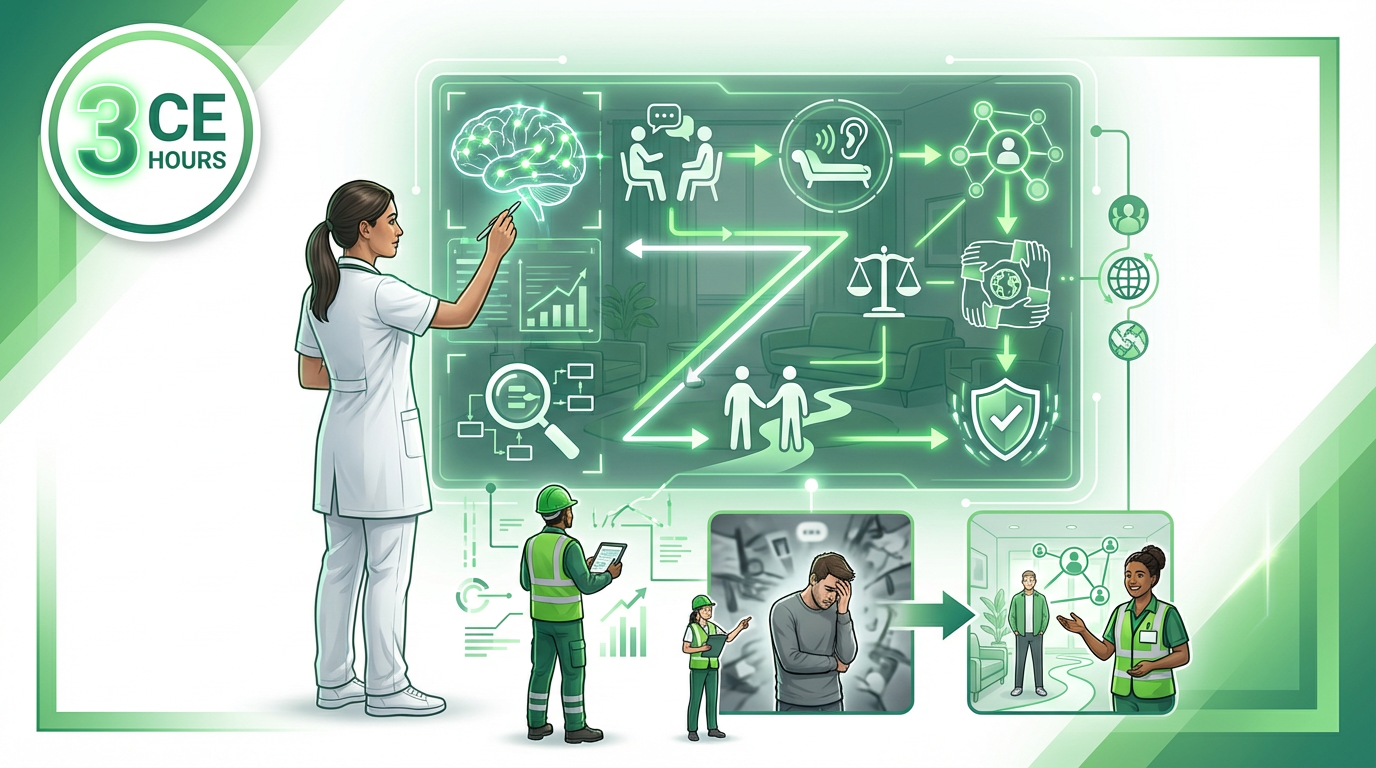
Addressing Substance Abuse in Social Work
3 CE Hours
This course equips social workers with evidence‑based tools to assess, treat, and prevent substance use disorders, addressing biological, psychological, social, ethical, and cultural considerations.
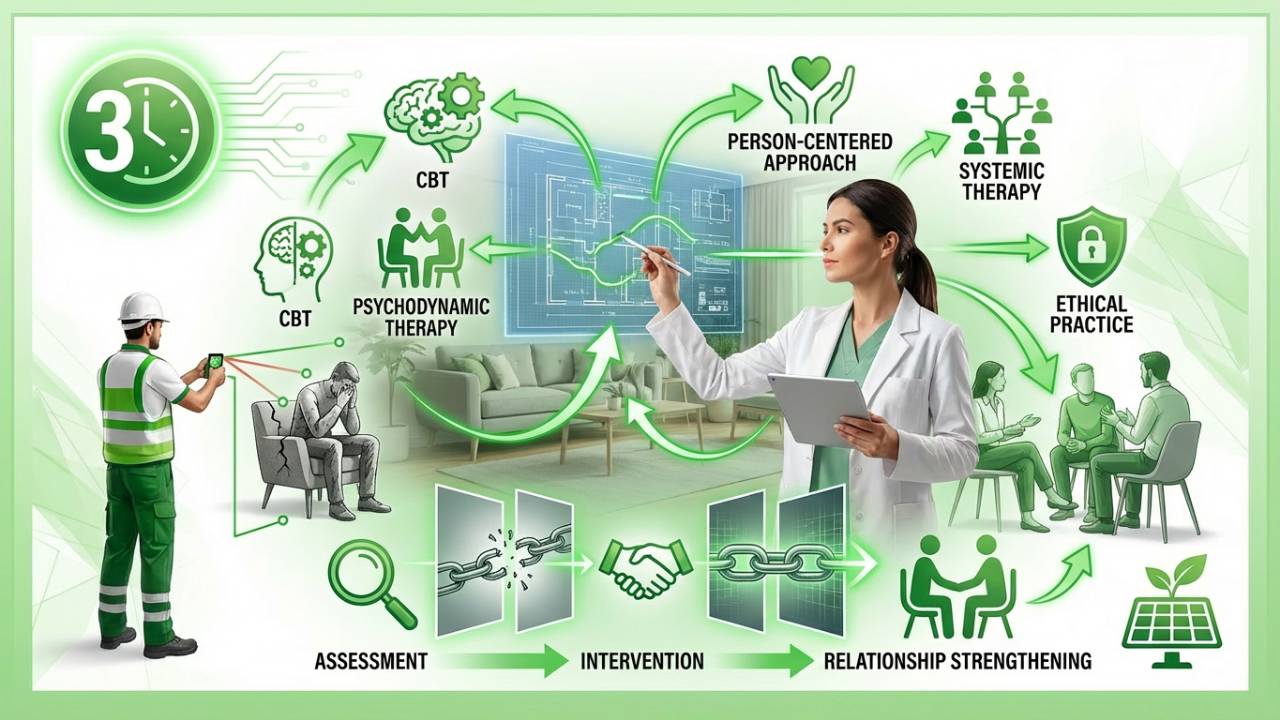
Counseling Techniques and Theories in Social Work Practice
3 CE Hours
This course reviews counseling techniques and theories, integrating evidence-based practices to strengthen relationships and ethically support diverse clients across social work settings.
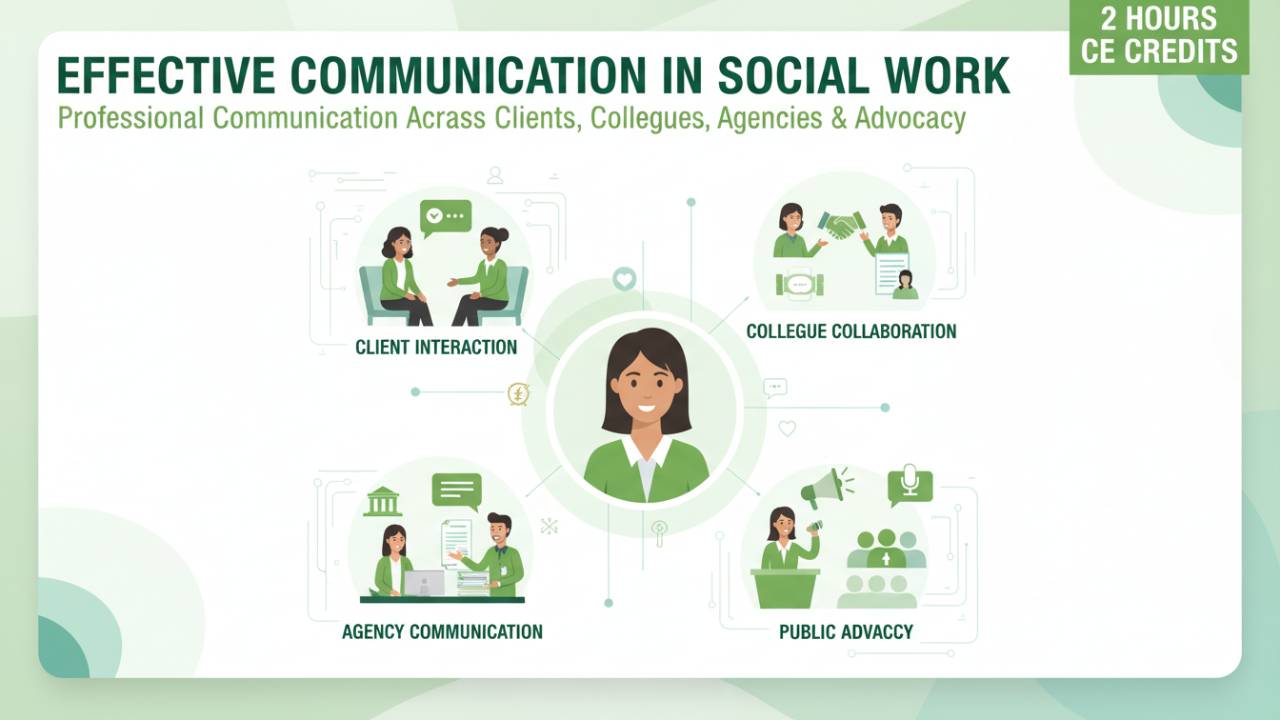
Effective Communication in Social Work
2 CE Hours
This course builds social workers’ communication skills for clients, colleagues, agencies, and public advocacy, emphasizing professionalism, collaboration, ethics, and clarity across diverse settings.
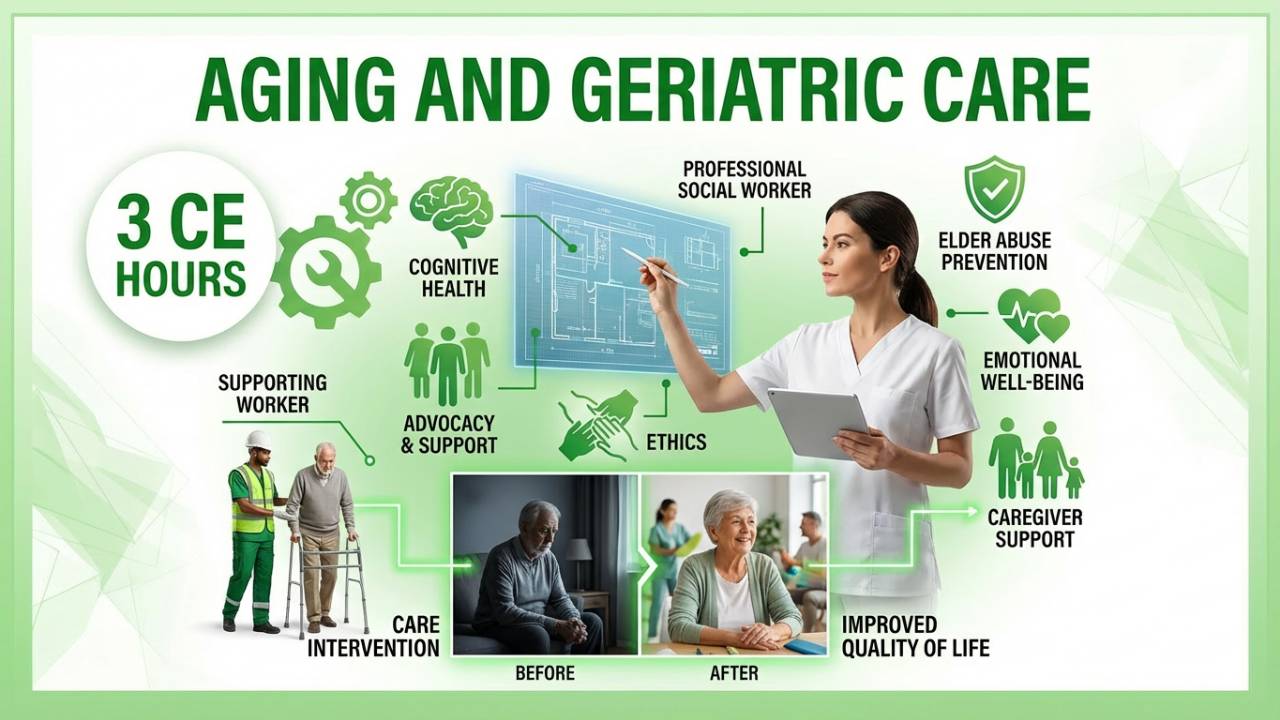
Aging and Geriatric Care
3 CE Hours
This course trains social workers in geriatric care, covering assessment, advocacy, ethics, mental health, elder abuse, caregiver support, and person‑centered strategies for older adults.

Social Work Intervention in Child Abuse and Neglect
3 CE Hours
This course equips social workers to prevent and respond to child abuse, covering signs, ethics, trauma‑informed care, collaboration, and strategies to protect and support children.
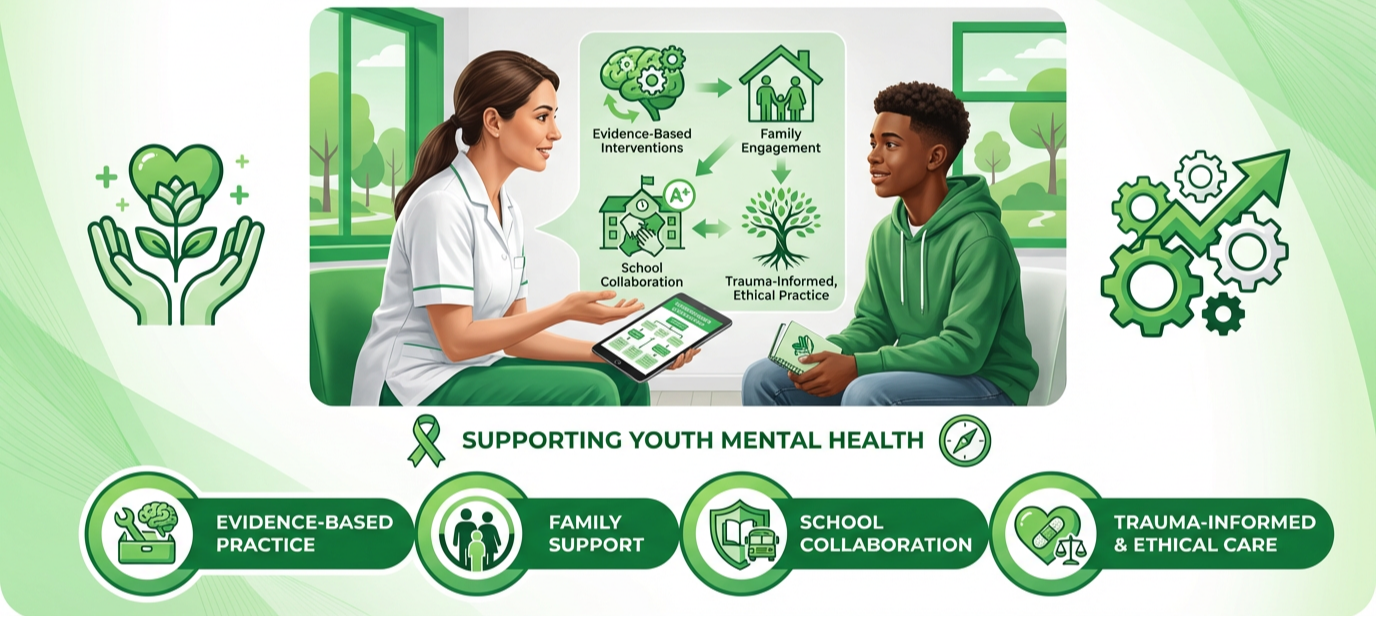
Addressing Depression in Children and Adolescents
4 CE Hours
This course trains social workers to support children and teens with depression through evidence‑based interventions, family engagement, school collaboration, and trauma‑informed, ethical practice.
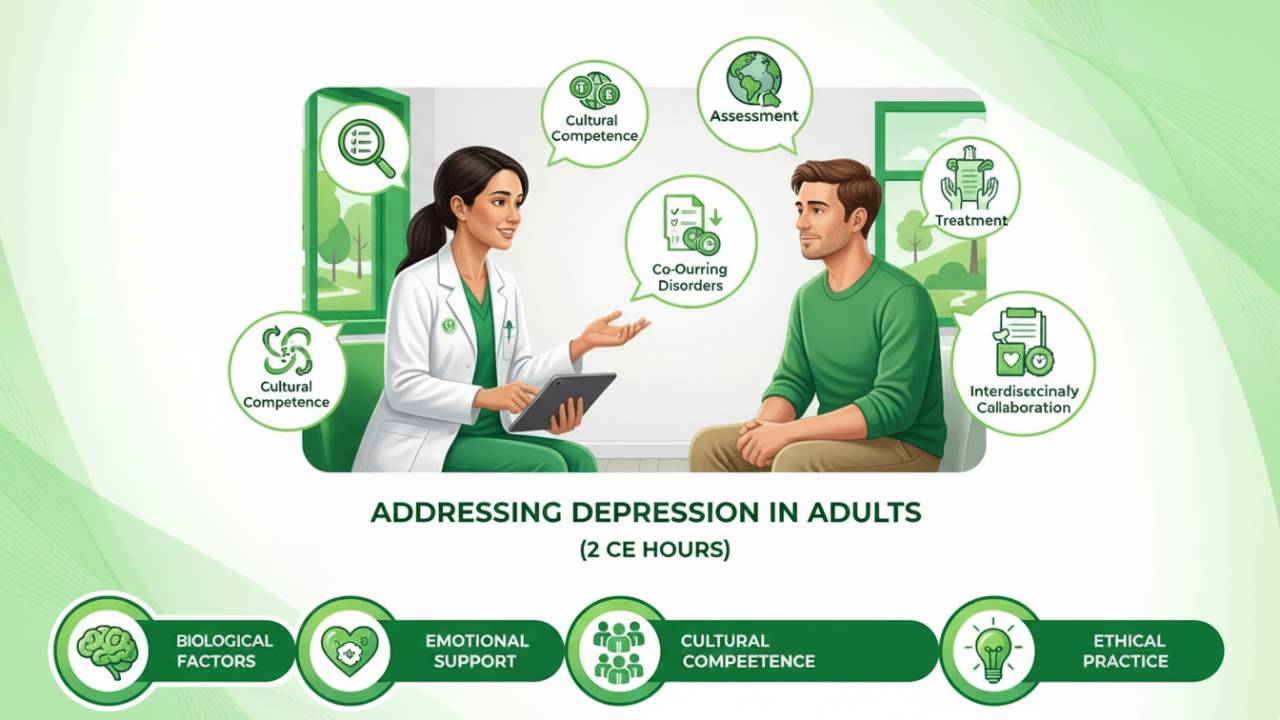
Addressing Depression in Adults
2 CE Hours
Adult depression course trains social workers in assessment, treatment, cultural competence, co‑occurring disorders, and interdisciplinary collaboration.
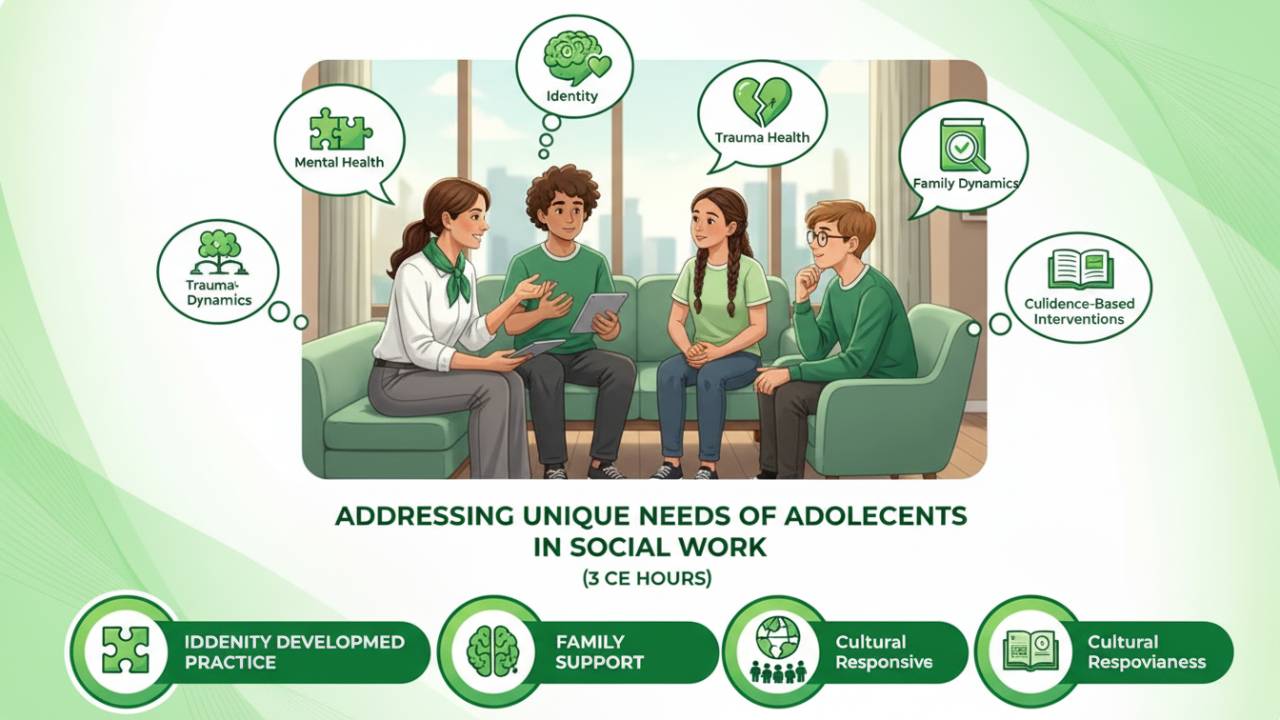
Addressing Unique Needs of Adolescents in Social Work
3 CE Hours
This course equips social workers to address adolescent challenges—identity, mental health, trauma, family dynamics—using culturally responsive, trauma‑informed, evidence‑based interventions.
SW Youth Suicide and Prevention
3 CE Hours
This course equips social workers to assess risk, apply evidence-based interventions, and collaborate across systems to prevent youth suicide, promote resilience, and ensure safety.
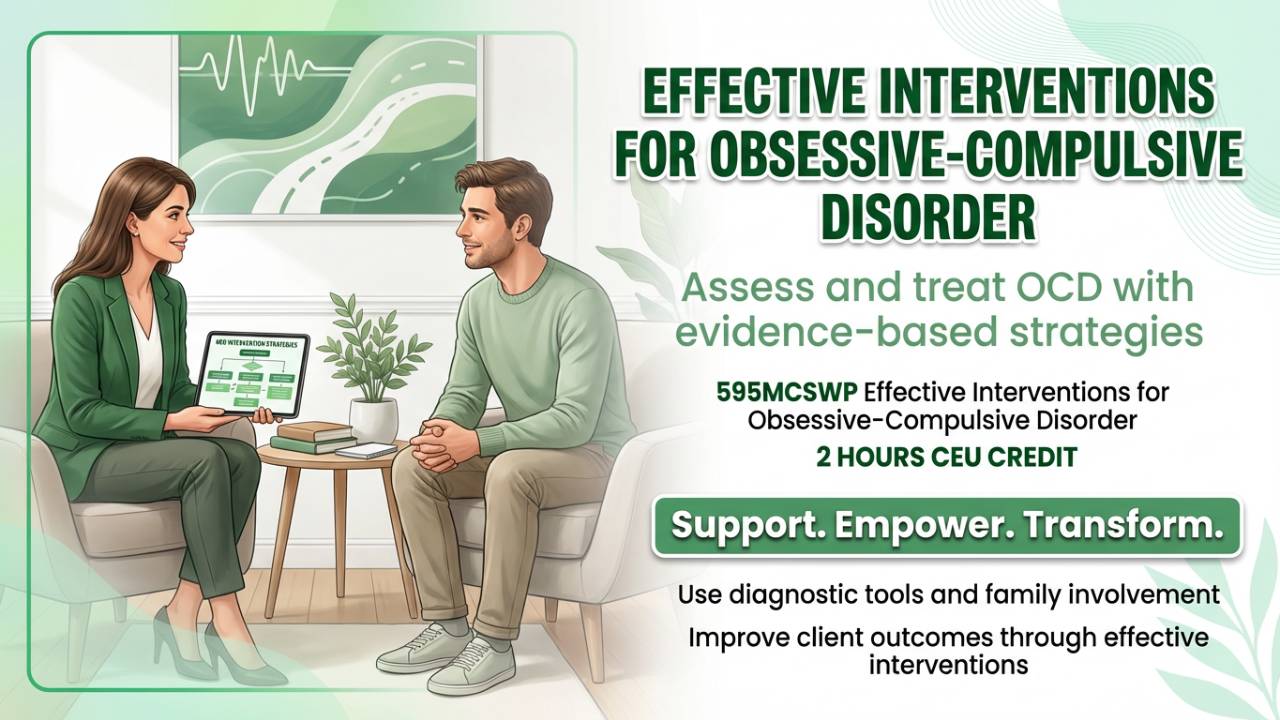
Effective Interventions for Obsessive-Compulsive Disorder
2 CE Hours
This course equips social workers to assess and treat OCD using diagnostic tools, evidence‑based strategies, and family involvement to improve client outcomes.
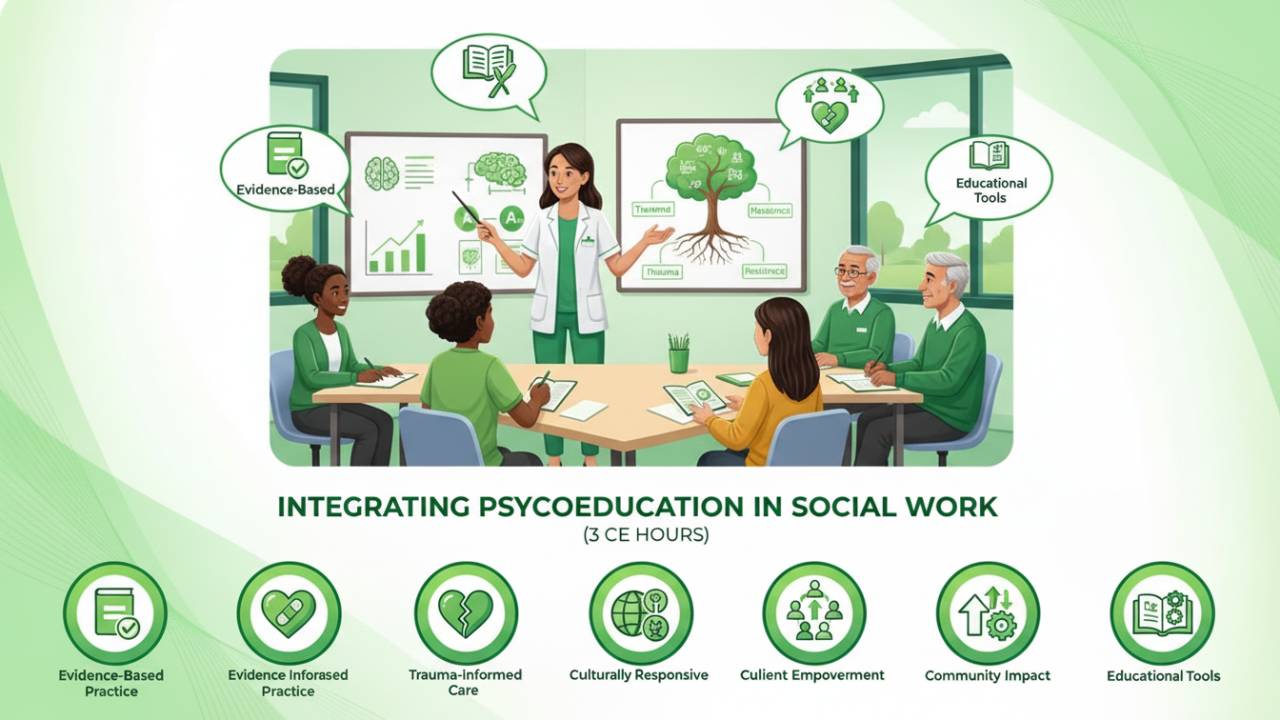
Integrating Psychoeducation in Social Work
3 CE Hours
This course trains social workers to integrate psychoeducation with evidence‑based, trauma‑informed, and culturally responsive practices to empower clients and communities.

Ethics and Legal Issues in Mental Health Practice
3 CE Hours
This course equips social workers with ethical documentation and risk management skills, covering record-keeping, dilemmas, confidentiality, supervision, consultation, and legal standards.

Empowering Change The Role of Social Workers in Supporting Victims of Domestic Violence
3 CE Hours
This course gives social workers a full understanding of DV causes, impacts, trauma-informed practices, risk assessment, safety planning, advocacy, and support for marginalized survivors.

Social Work for Children and Adolescents with Anxiety Disorders
3 CE Hours
This class explores social workers’ roles in child/adolescent anxiety, covering symptoms, assessment, CBT adaptations, school-based support, case studies, parent collaboration, and advocacy.

The Role of the Social Worker in Addressing Homelessness
3 CE Hours
This class explores social workers’ roles in addressing homelessness through assessment, services, advocacy, policy, causes, holistic treatment, and global models with benefits and challenges.

The Role of the Social Worker in Addressing Anxiety in Adults
4 CE Hours
This class covers the causes, risk factors, symptoms, and effects of anxiety; social workers’ roles in assessment, case management, treatment, evidence-based techniques, challenges, and case studies.

Family Centered Therapy in Social Work
3 CE Hours
This course equips social workers with an in-depth understanding of family centered intervention, covering theory, principles, assessment, techniques, culture, ethics, and case applications.
Couples Counseling Techniques and Interventions
3 CE Hours
This course provides social workers with evidence-based couples counseling skills in theory, assessment, communication, conflict resolution, trauma care, and resilience.
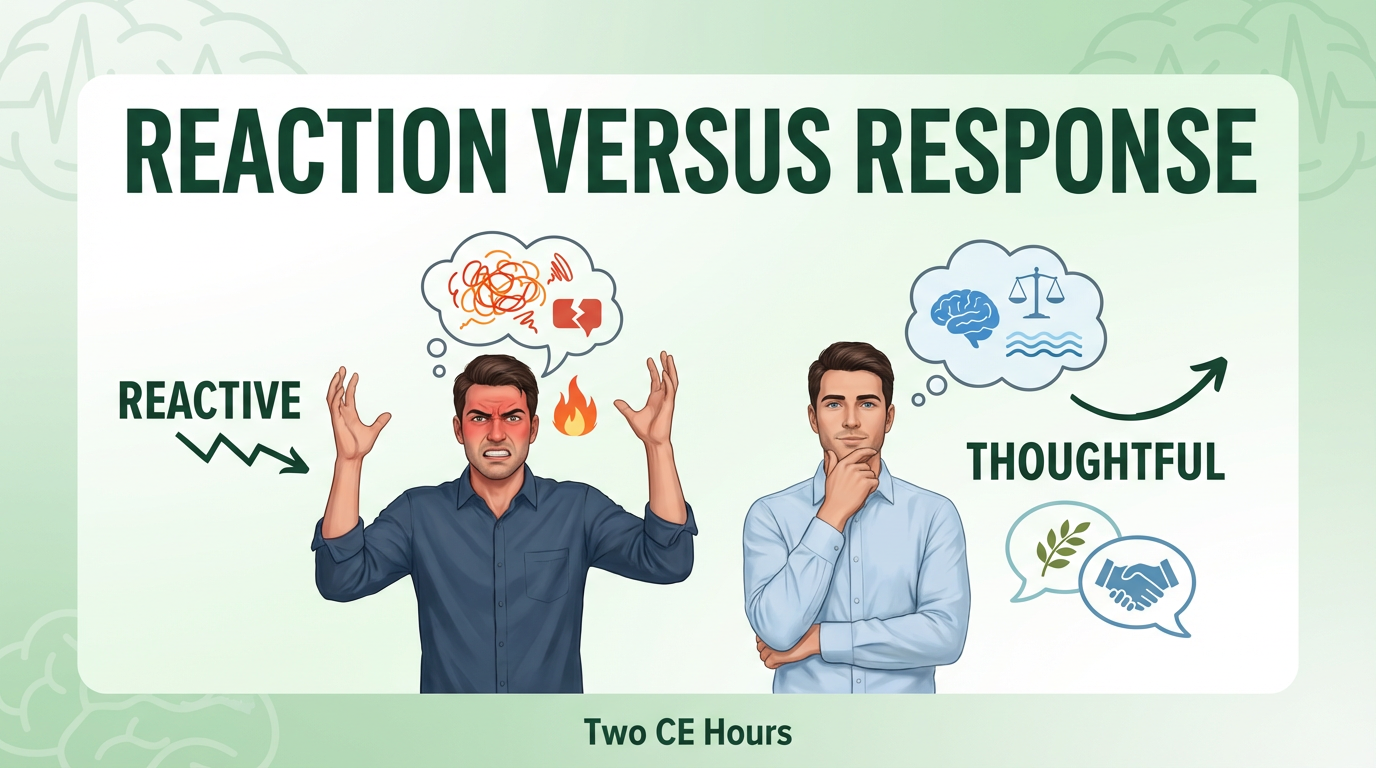
Reaction vs Response
2 CE Hours
Participants learn to distinguish reactive vs. thoughtful responses, understand mechanisms, and apply strategies to choose thoughtful action over reactivity.
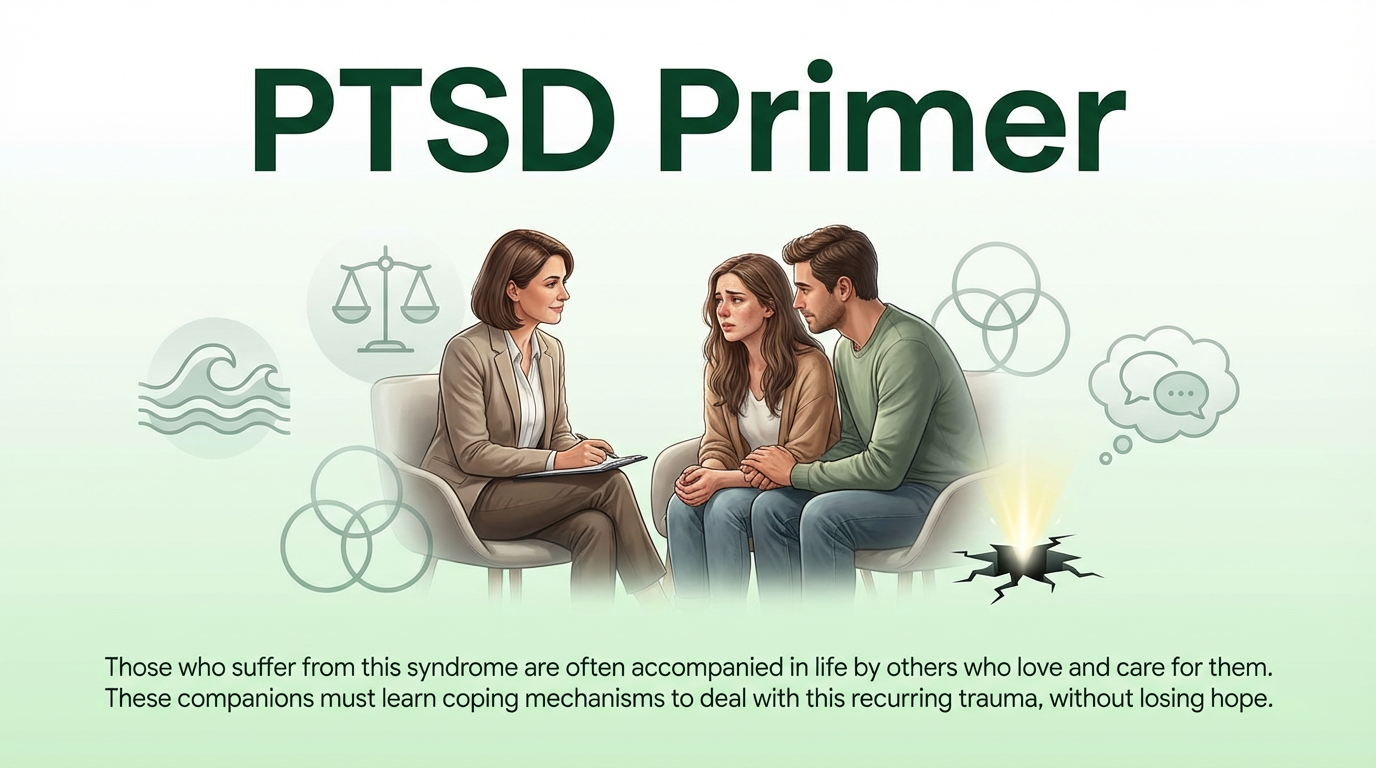
PTSD Primer
1 CE Hour
This course helps counselors understand PTSD, its impact on relationships, and strategies to support loved ones while maintaining their own well-being.
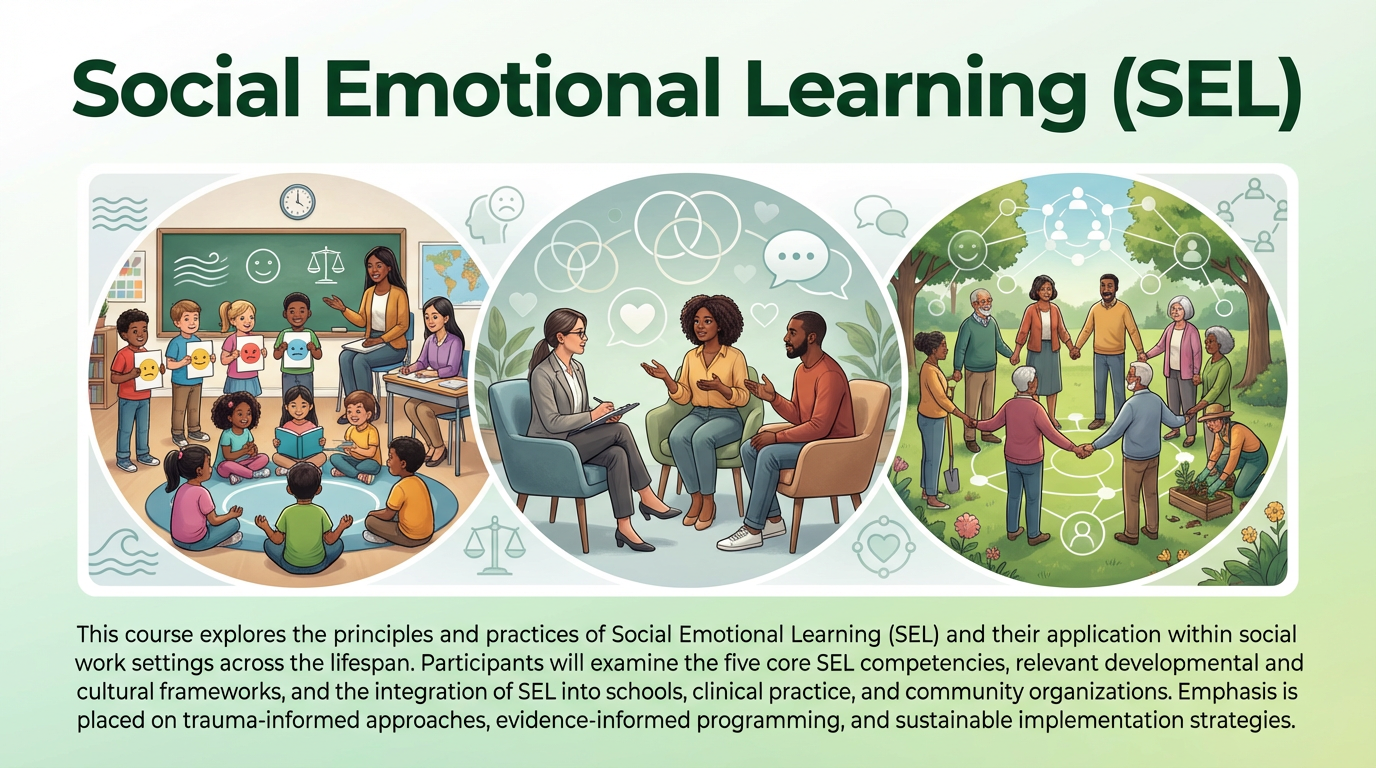
Social Emotional Learning (SEL)
3 CE Hours
This course explores SEL principles, competencies, and frameworks, applying trauma-informed, evidence-based strategies in schools, practice, and communities to build resilience and awareness.

Impact of School Bullying on Children’s Mental Health and Overall Well-Being
3 CE Hours
This course equips social workers to understand bullying’s impact on children’s mental health, assess risks, and apply prevention, intervention, and advocacy strategies.
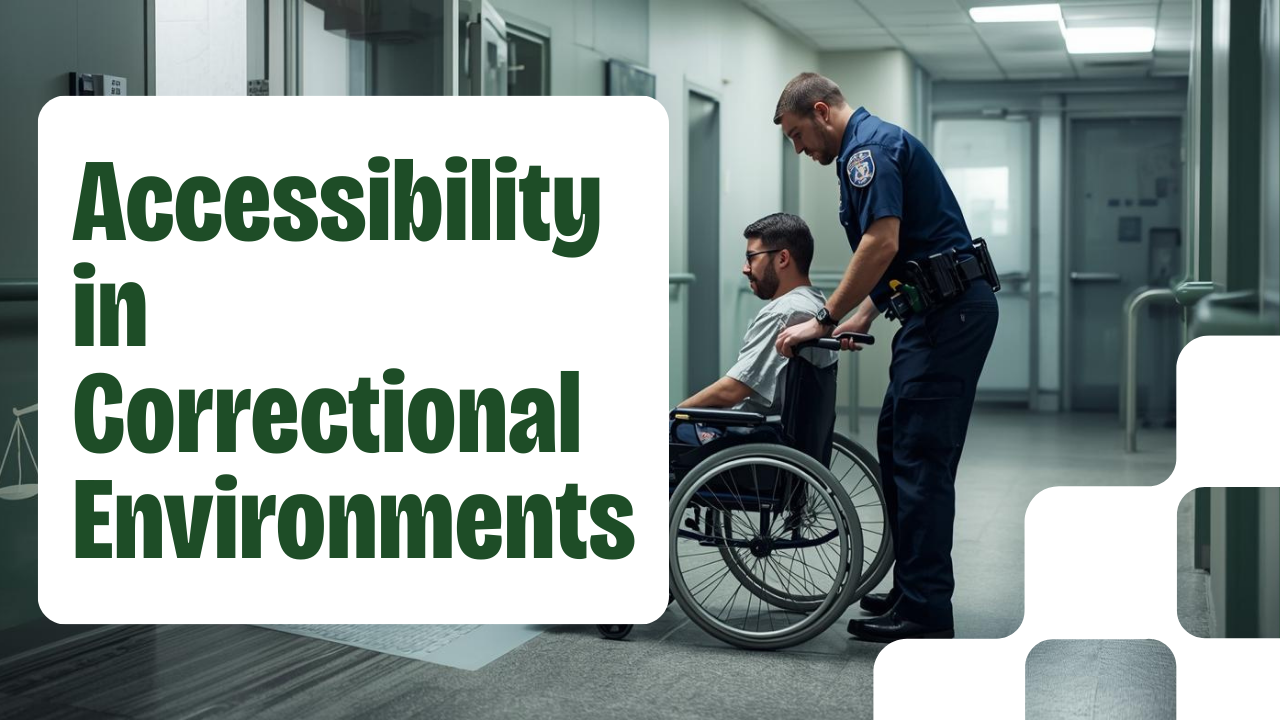
Accessibility for correctional institutions course submission
1 CE Hour
This course addresses ADA/Section 504 compliance, focusing on preventing discrimination and ensuring accessible correctional facilities for inmates with disabilities.

Models and Theories of Supervision in Social Work Practice
3 CE Hours
This course examines supervision models in social work, focusing on frameworks, ethics, cultural humility, professional growth, and practical tools for supervisee and organizational development.

Overview of Clinical Supervision for Social Workers
2 CE Hours
This course reviews evidence-based models, ethics, skills, and tools to enhance clinical supervision, supporting licensed social workers in fostering growth, responsiveness, and effectiveness.
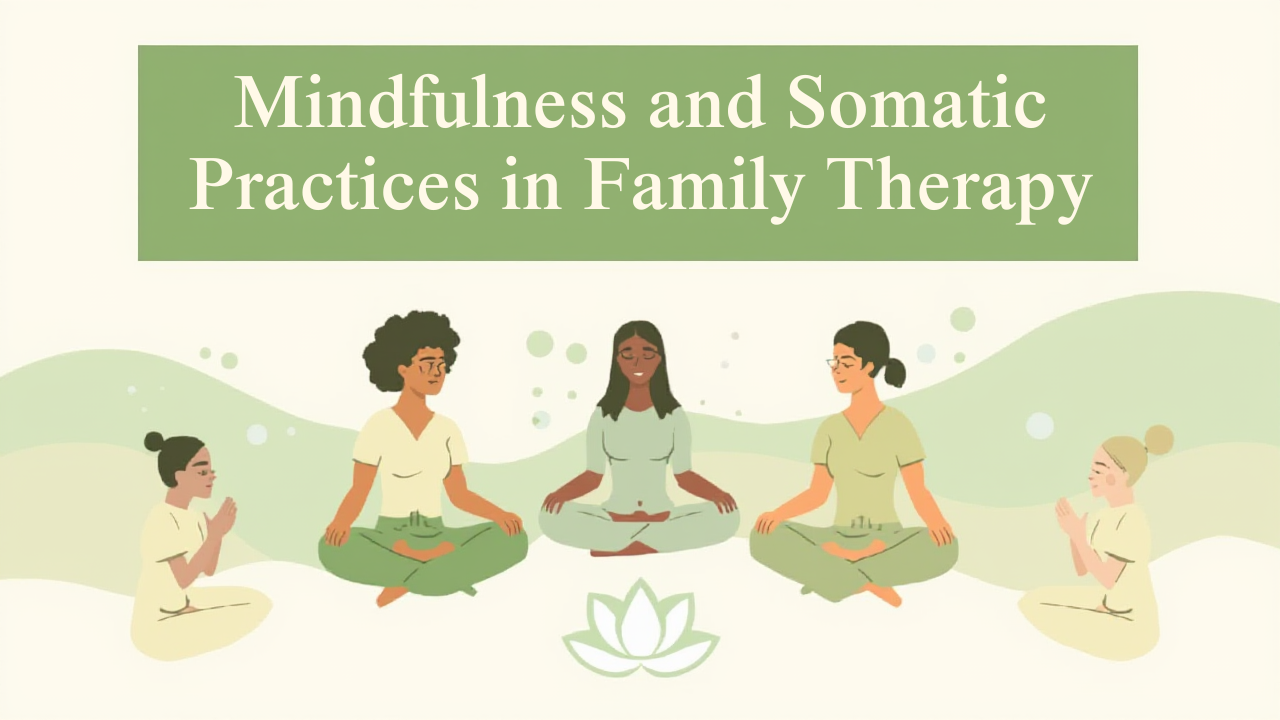
Mindfulness and Somatic Practices in Family Therapy
3 CE Hours
This course integrates mindfulness and somatic practices in family therapy, emphasizing trauma-informed care, cultural humility, ethics, and practical tools for relational healing.

Helping Clients Build Resilience
2 CE Hours
This course equips social workers with strengths-based strategies to foster resilience, coping, and connections across individuals, families, and communities.
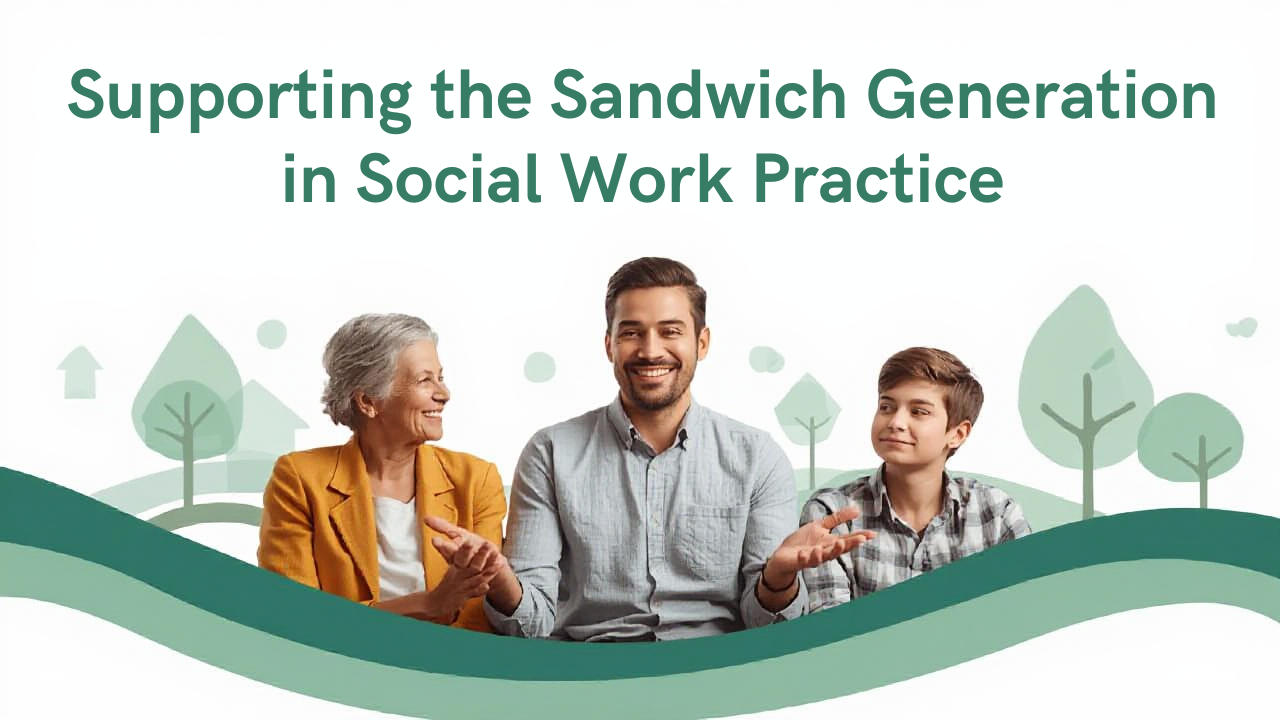
Sandwich Generation in Social Work
3 CE Hours
This course equips social workers to support the sandwich generation with strategies, interventions, and advocacy for multigenerational caregiving challenges.
Introduction to Dialectical Behavior Therapy (DBT) for Social Workers
2 CE Hours
This course introduces DBT for social workers, covering theory, core skills, and practical strategies to apply trauma-informed, strengths-based techniques across diverse practice settings.
Advanced Dialectical Behavior Therapy (DBT) for Social Work Practice
4 CE Hours
This course provides social workers with advanced DBT skills, covering theory, core modules, interventions, and applications with a trauma-informed, culturally responsive lens.
Eating Disorders in Adults
3 CE Hours
This course equips social workers to understand adult eating disorders, apply evidence-based, trauma-informed, and culturally responsive strategies, and advocate for recovery and equity.

Best Practices for Bedside Management in Acute Care Settings
2 CE Hours
This course equips social workers with bedside management skills in acute care, focusing on crisis intervention, collaboration, ethics, advocacy, trauma-informed care, and patient well-being.
Ethics and Boundaries for Social Workers
3 CE Hours
This class explores ethics and boundaries in social work and related mental health fields, with a focus on professional boundaries and confidentiality that protect client privacy and build trust.
Preventing Medical Errors
2 CE Hours
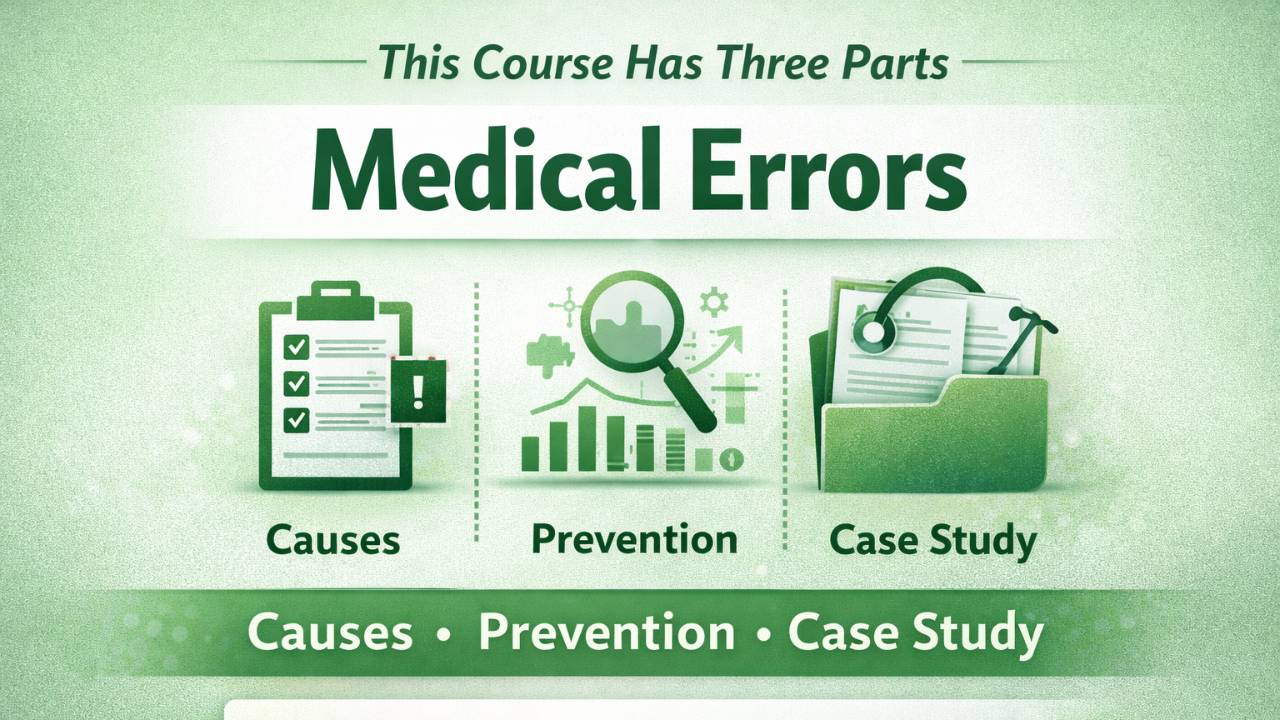
This course has three parts: causes of medical errors, methods to classify and prevent them with practical action steps, and a case study focused on prevention of recurrence.
Florida Laws and Rules
2 CE Hours
This class reviews Florida Laws and Rules, ensuring professions are regulated only to protect public health, safety, and welfare while supporting access for qualified individuals.
Telehealth in Florida Social Work, Marriage and Family Therapy, and Mental Health Counselling
3 CE Hours
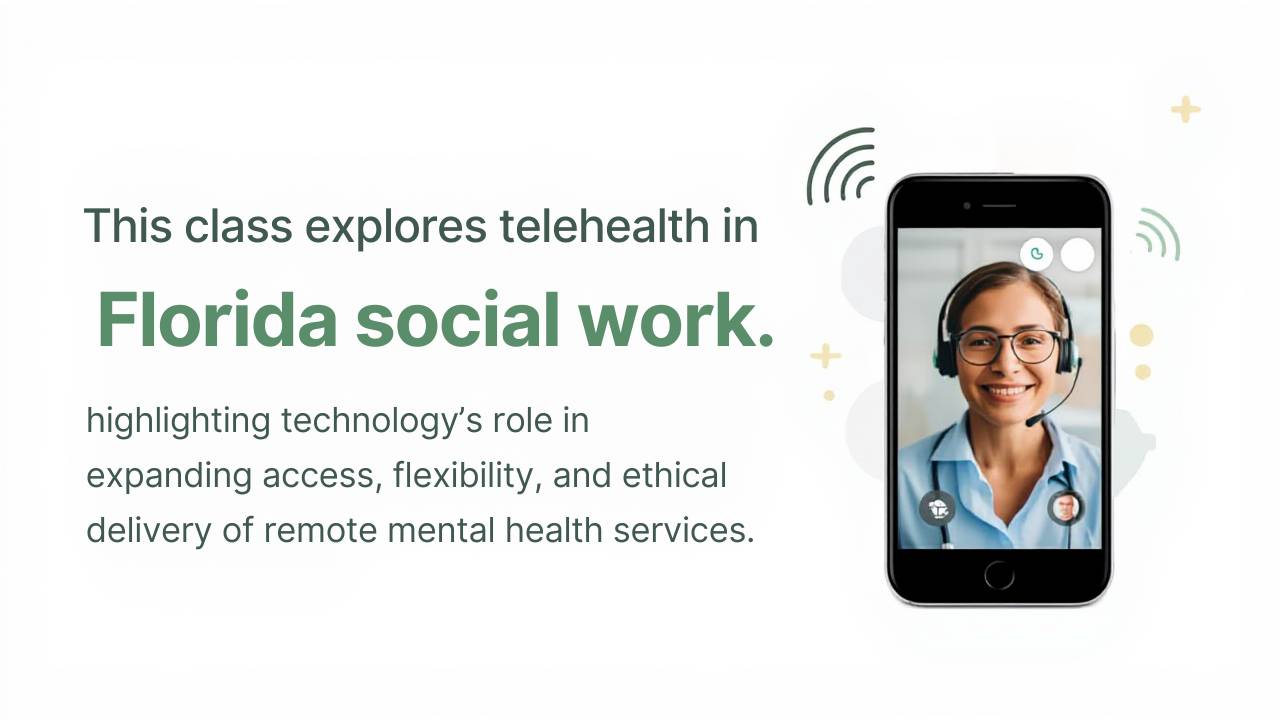
This class explores telehealth in Florida social work, highlighting technology’s role in expanding access, flexibility, and ethical delivery of remote mental health services.
Florida Qualified Supervisor
4 CE Hours
This class provides Florida Qualified Supervisors with essential training on laws, ethics, supervision techniques, telehealth practices, and self‑care to meet CEU requirements.

Telehealth in Mental Health Counseling
2 CE Hours
This class explores telehealth in mental health counseling, highlighting its role in expanding access, flexibility, confidentiality, and ethical remote care delivery.

Ethical Practice in Rural Social Work
3 CE Hours
This class explores ethical challenges in rural social work, focusing on dual relationships, confidentiality, access, isolation, and cultural competence.
Differentiating Empathy from Emotional Monitoring in Clinical Social Work
3 CE Hours
This class helps social workers distinguish empathy from emotional monitoring, fostering ethical attunement while avoiding over-identification and boundary issues.
Art Therapy in Social Work Practice
2 CE Hours
This class explores art therapy in social work, offering theory, techniques, and cultural strategies to foster healing, insight, empowerment, and trauma‑informed practice.
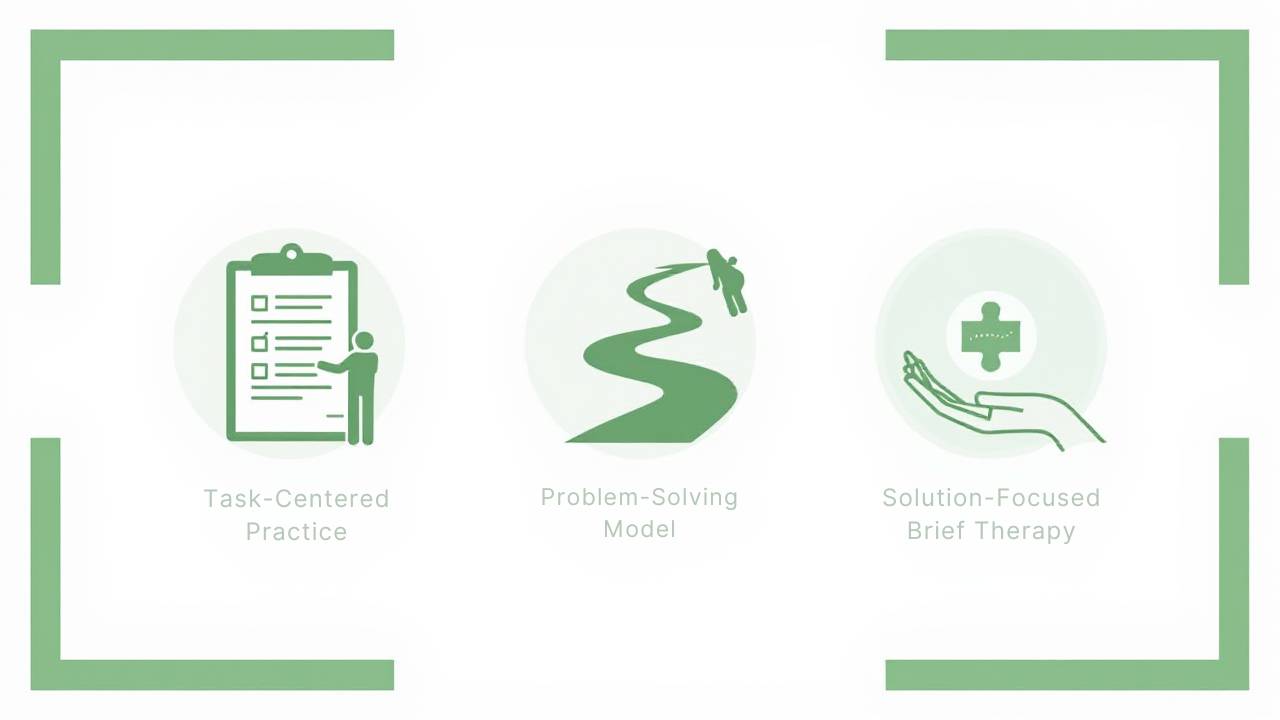
Brief, Goal-Oriented Interventions in Social Work
3 CE Hours
This class explores three brief, evidence‑based social work interventions—TCP, PSM, and SFBT—covering theory, principles, and practice across diverse client settings.

Play Therapy in Social Work Practice
3 CE Hours
This course equips social workers with play therapy skills, covering theory, techniques, ethics, and cultural responsiveness to support children across diverse practice settings.

Understanding and Addressing Postpartum Depression
3 CE Hours
This course equips social workers to assess, treat, and support parents with postpartum depression using trauma‑informed, culturally competent, evidence‑based practices.
Coaching Parents and Caregivers in Behavior Management for Toddlers and Young Children
4 CE Hours
This course trains social workers to coach parents in respectful, evidence‑based behavior management for young children, fostering regulation, resilience, and family harmony.
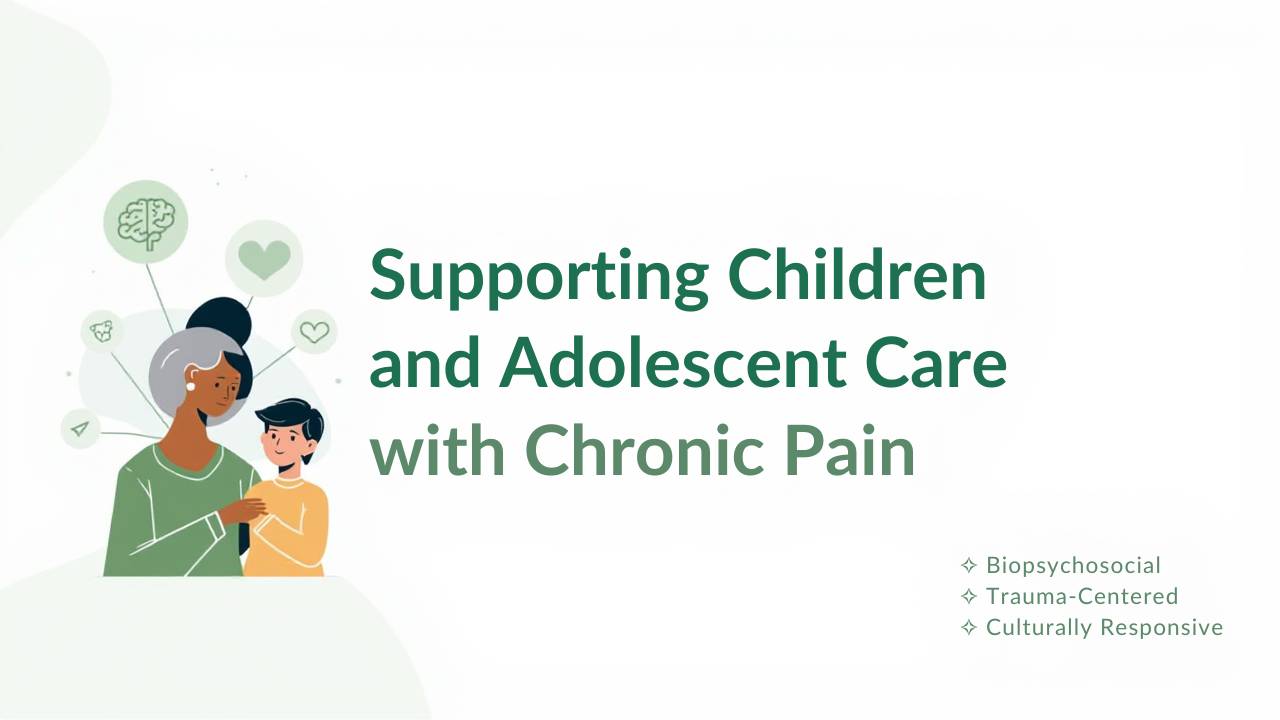
Supporting Children and Adolescents with Chronic Pain
2 CE Hours
This course trains social workers to support youth with chronic pain using biopsychosocial, trauma‑informed care, family engagement, and evidence‑based strategies.

Supporting Adults with Chronic Pain
3 CE Hours
This course trains social workers to support adults with chronic pain using biopsychosocial assessment, trauma‑informed care, advocacy, and evidence‑based interventions.
The Impact of Social Media on Adults
3 CE Hours
This course examines social media’s impact on adult mental health, identity, relationships, and work, offering social workers tools for assessment, ethics, and intervention.

Stay Current With Social Work CE Updates
Get quick updates on new CE courses, licensing requirement changes, renewal reminders, and practical social work learning tips — straight to your inbox!