
Engineering Unlimited Access – Annual
Earn all the PDH hours you need with 12 months of unlimited access to every PDHhub Engineering course, so you can stay licensed without last‑minute stress.
- Course covers design, codes, safety, materials, and emerging technologies
- Study anytime, from anywhere, at your own pace
- Automatic PDH tracking and progress in your dashboard
- Downloadable certificates for every completed course
- One simple annual subscription for unlimited learning all year
Continuing Education For Licensed Engineers
Even the strongest systems benefit from routine maintenance!
Engineering moves fast — and your CE should keep up.
Take practical, real-world courses on codes, safety, calculations, materials, and the
technical decisions that shape everyday engineering work.
Renew at your pace, stay compliant, and keep your skills sharp for whatever comes
next.
Plan. Problem-Solve. Progress.
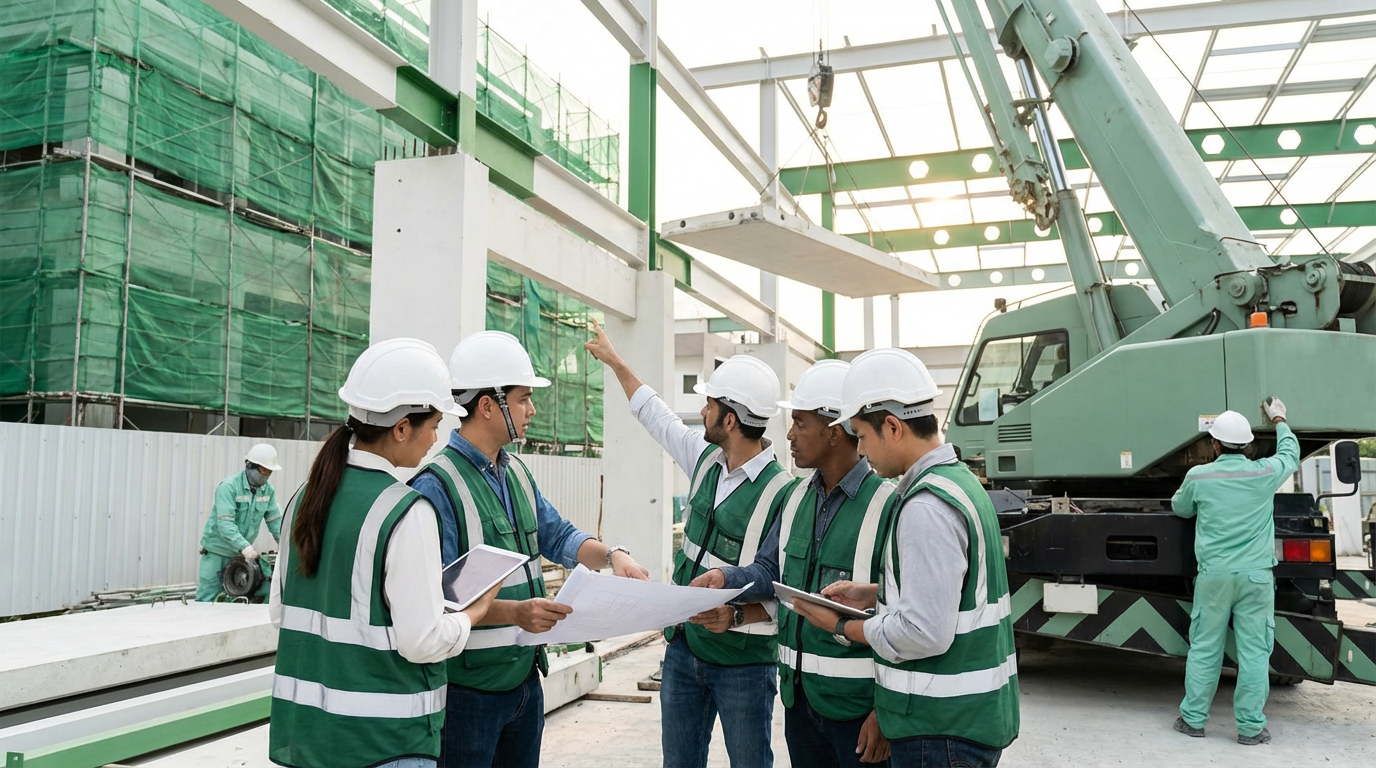
Meet Your Engineering PDH Requirements
Most States Do NOT Require Course or Provider Pre-Approval
Unlike some professions, the majority of state engineering boards do not require courses or continuing education providers to be formally pre-approved.
How It Works
Getting your engineering PDH hours with PDHhub takes four simple steps — no scheduling, no classroom, no per-course fees.
Sign up for unlimited annual access for one flat fee. No course-by-course purchasing required.
Browse and start any course immediately after signing up. No waiting, no approval process.
Study on your schedule — evenings, weekends, between projects. Fully self-paced, 24/7.
Instantly download completion certificates formatted for submission to your state licensing board.
BROWSE OUR CLASSES
Browse the available courses below. Full course descriptions follow.
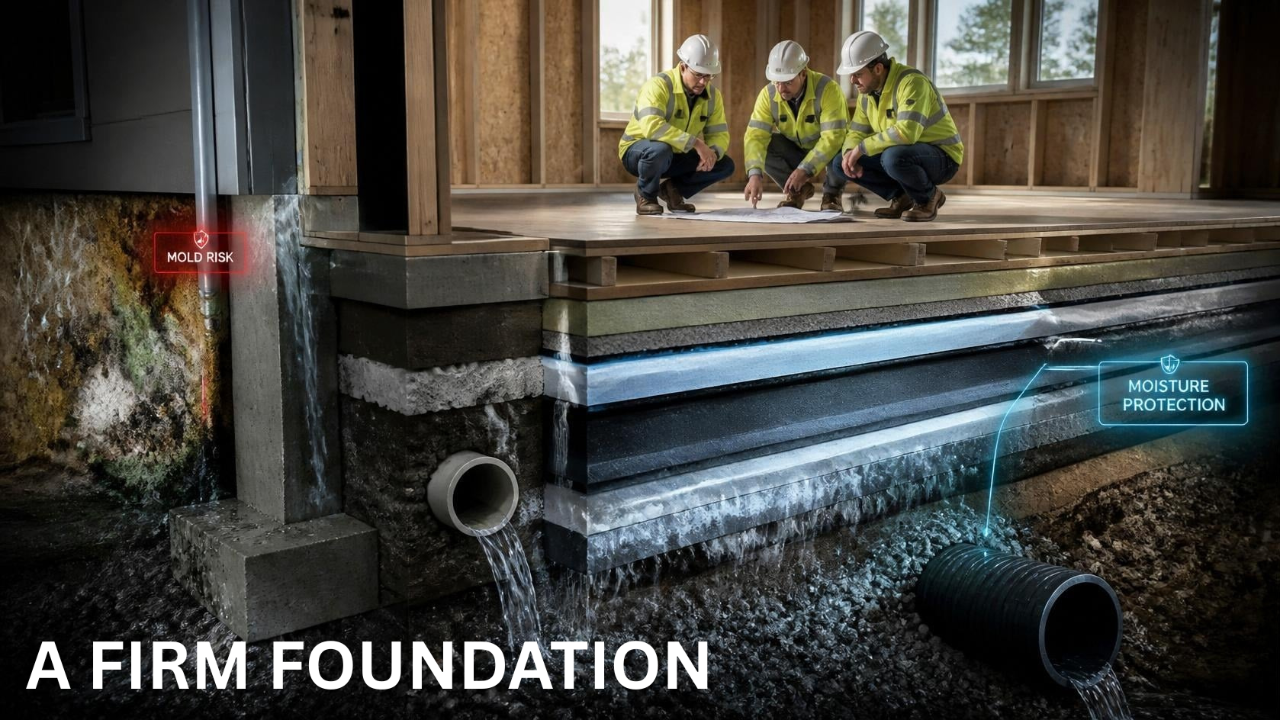
A Firm Foundation
2 CE Hours
This course explores foundation and floor system design, covering moisture control, insulation, framing, and material selection to create durable, healthy, and stable buildings.
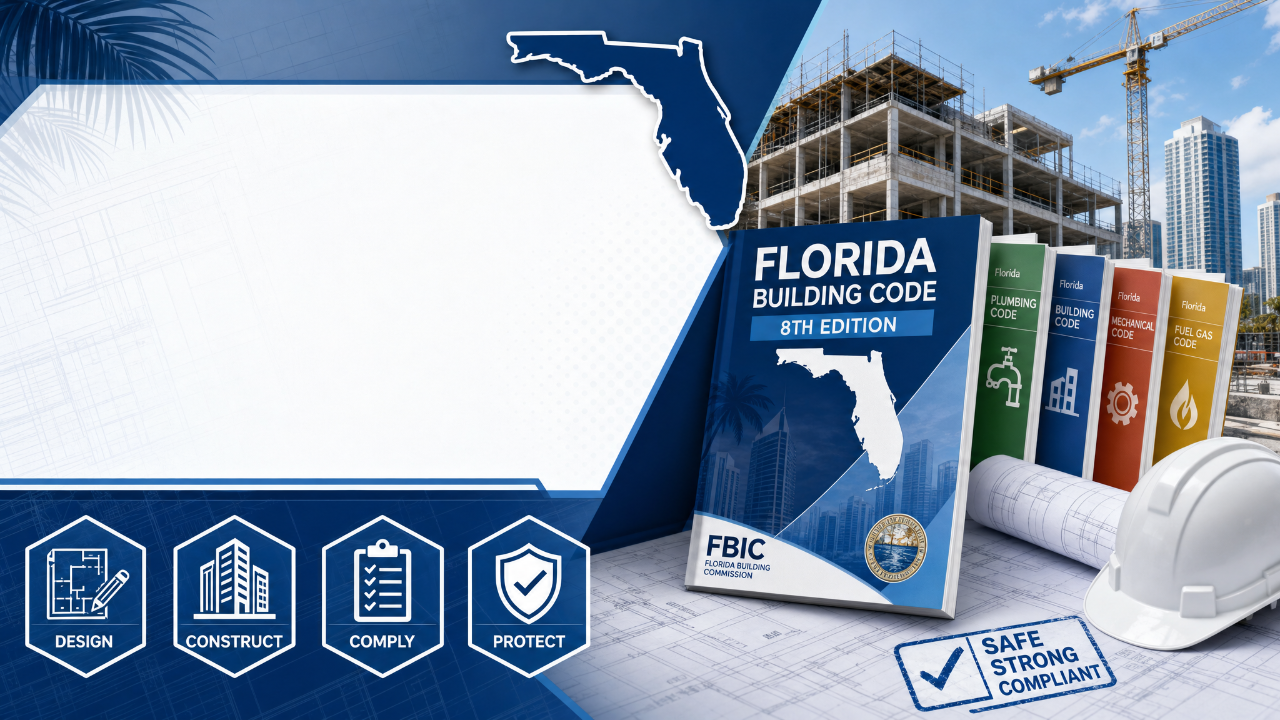
Advanced Florida Building Code 8th Edition
2 CE Hours
This CE course equips architects, engineers, and building professionals with knowledge of the latest changes in the Florida Building Code, Building – 8th Edition (2023), specifically Chapter 4. It emphasizes occupancy‑based requirements, fire protection, smoke control, hazardous materials, healthcare facilities, and swimming pool standards.

Alternative Energy
2 CE Hours
This course examines alternative energy sources like solar, wind, geothermal, and nuclear power, highlighting their role in reducing emissions and combating climate change.
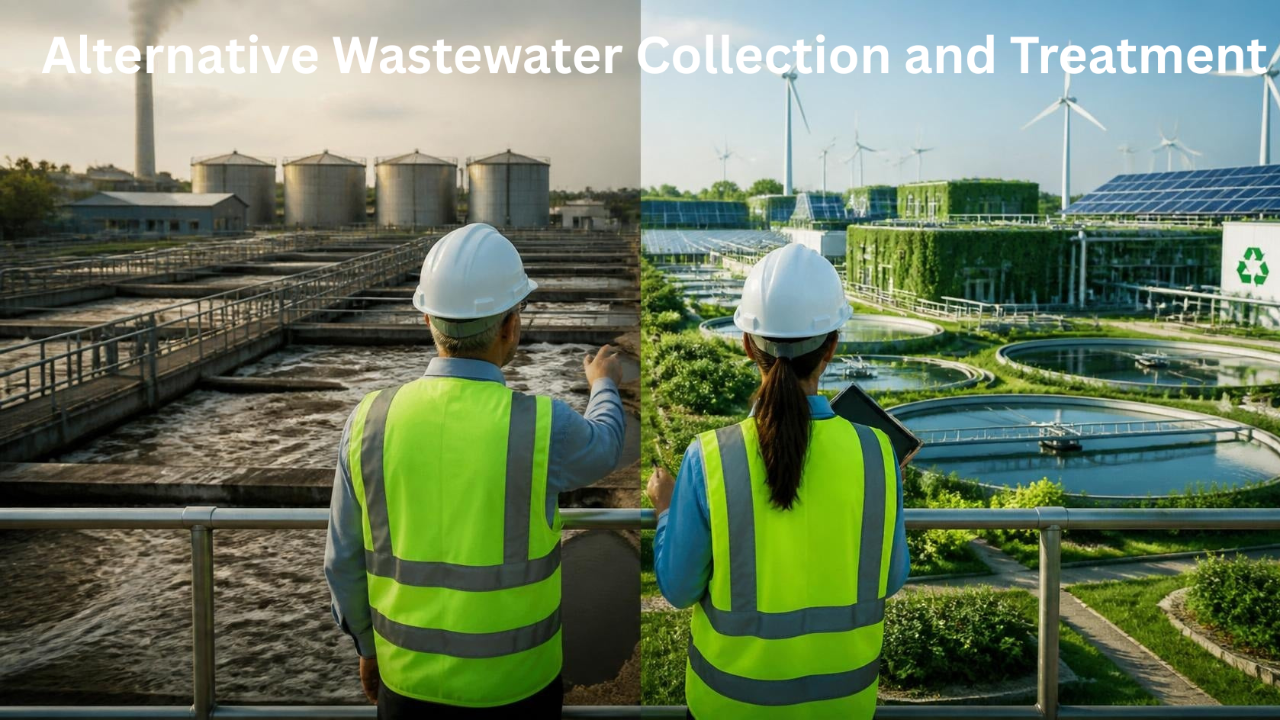
Alternative Wastewater Collection and Treatment
2 CE Hours
This course explores innovative wastewater collection and treatment methods that improve water purification, resource recovery, energy efficiency, and environmental sustainability.

Communicating With Seniors
1 CE Hour
This course explores effective communication with seniors, considering age, health, lifestyle, and individual needs to improve understanding, respect, and meaningful interaction.
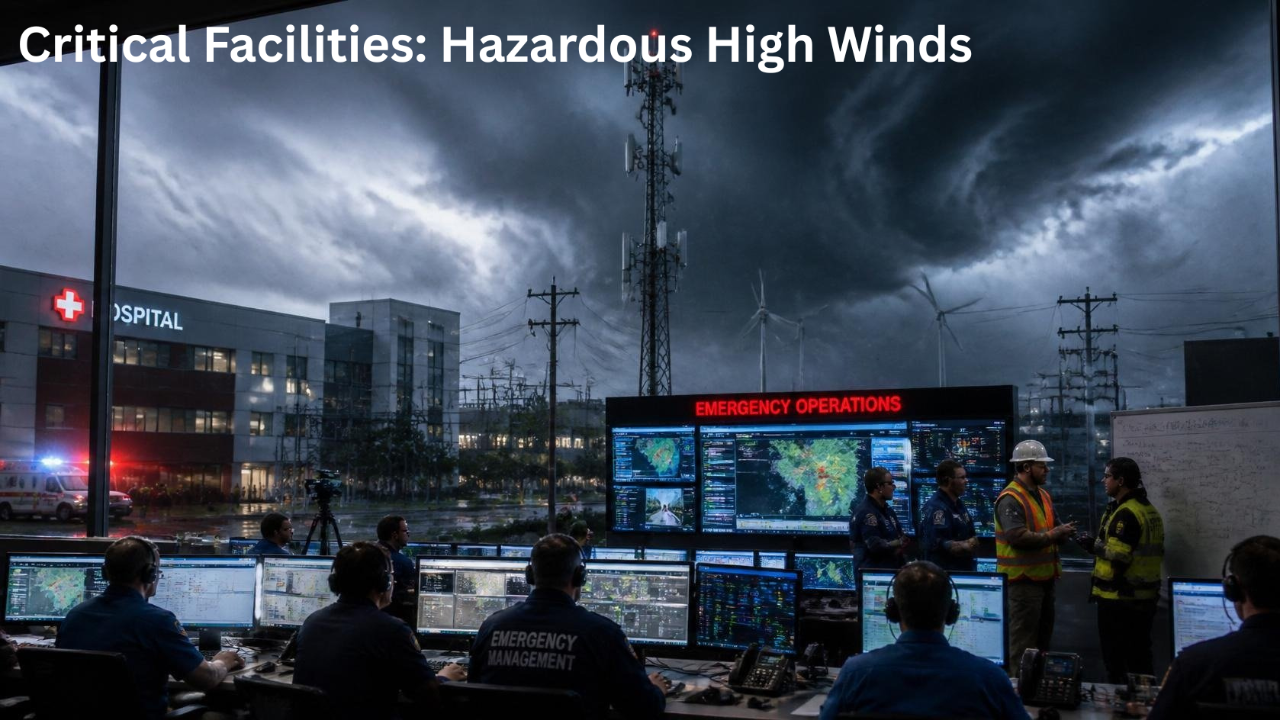
Critical Facilities: Hazardous High Winds
2 CE Hours
This course examines how critical facilities can prepare for and withstand hazardous high winds through risk assessment, safety planning, and resilient infrastructure design.

Electric Power Delivery: Underground Installation
1 CE Hours
This course explores underground power distribution systems, covering safer and more reliable electricity delivery, urban infrastructure design, and the benefits of buried electrical networks.

Electric-Drive Technology
4 CE Hours
This course explores electric-drive and automated vehicle technologies, highlighting autonomous systems, EV innovation, sustainable transportation, and reduced environmental impact.
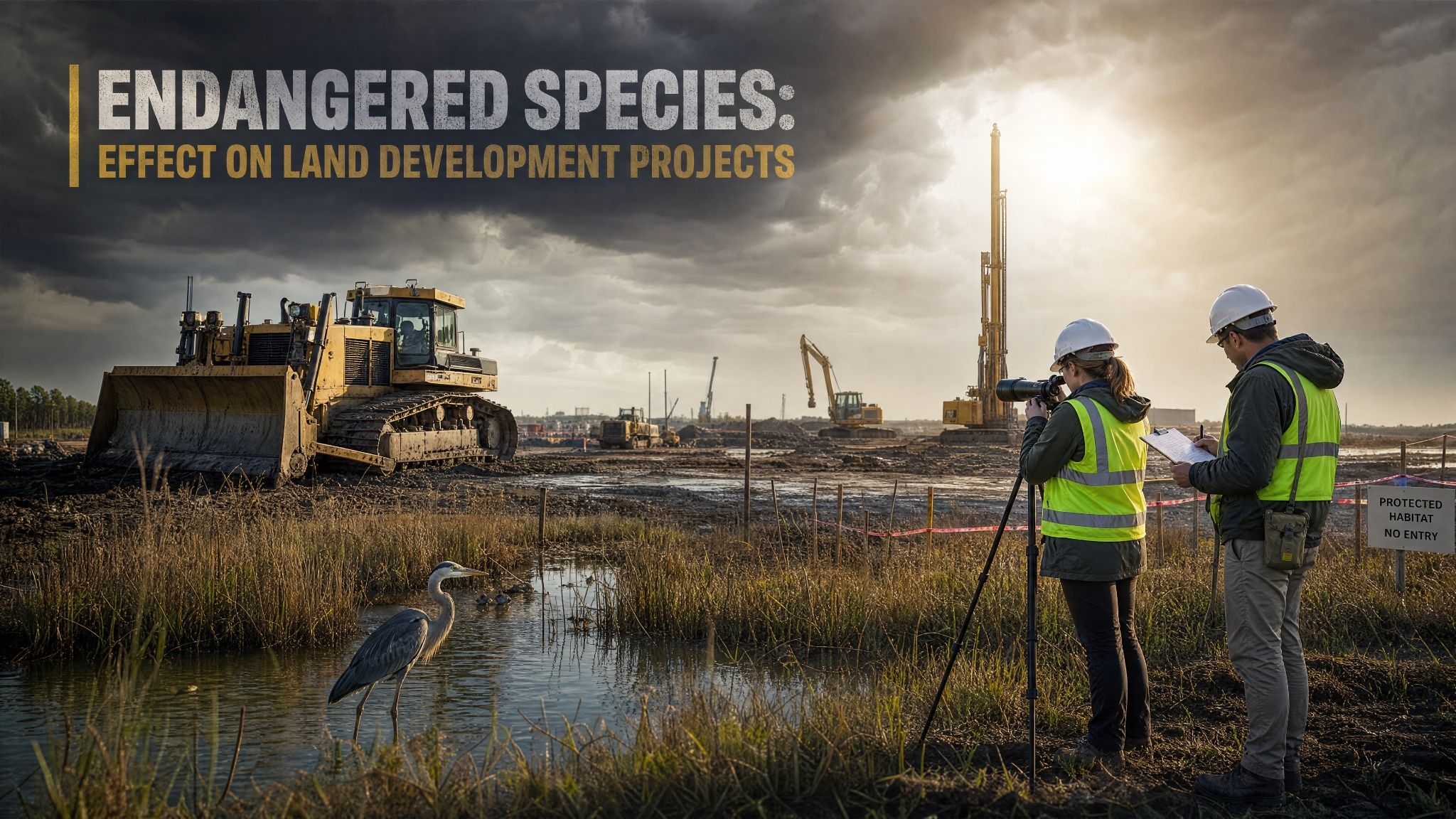
Endangered Species: Effect on Land Development Projects
1 CE Hours
This course examines how construction projects must comply with the ESA to protect endangered species and habitats while avoiding environmental and project risks.
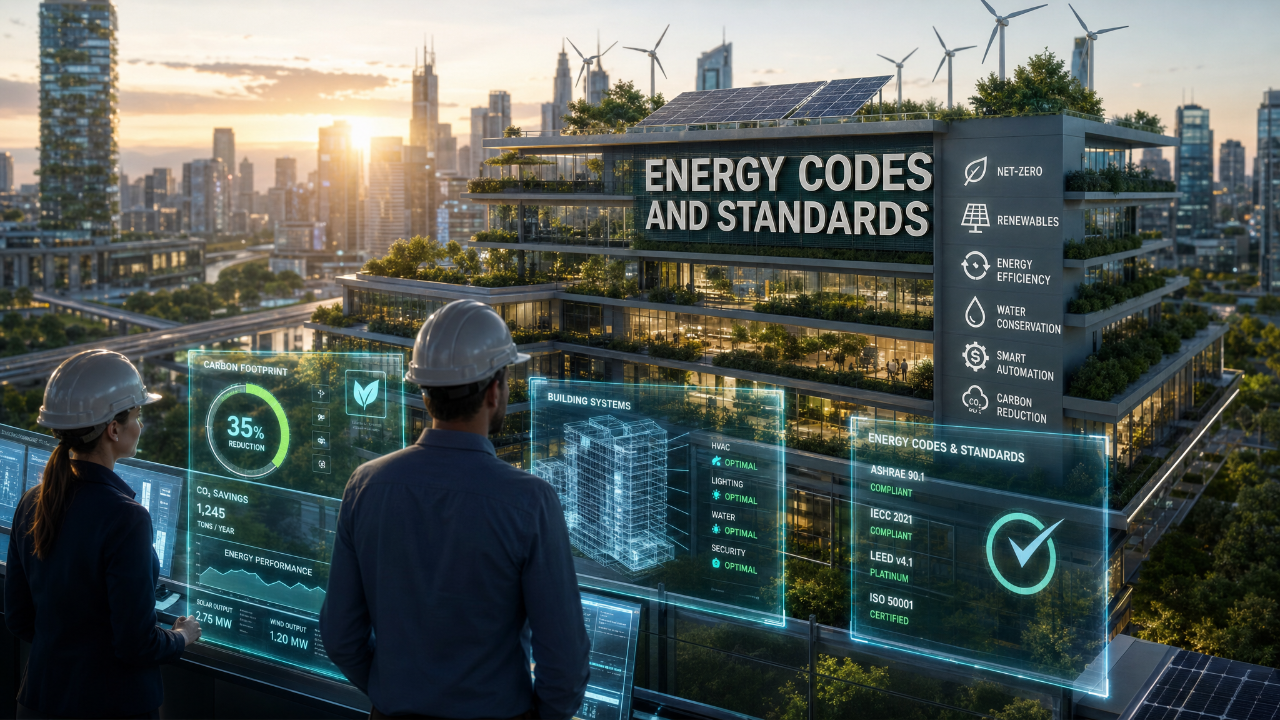
Energy Codes and Standards
2 CE Hours
This course explores energy codes and standards that guide sustainable building design, improve energy efficiency, and reduce environmental and carbon impacts.

Professional Ethics in Engineering
1 CE Hour
This course examines engineering ethics, emphasizing integrity, accountability, transparency, and public safety in professional decision-making and technological innovation.
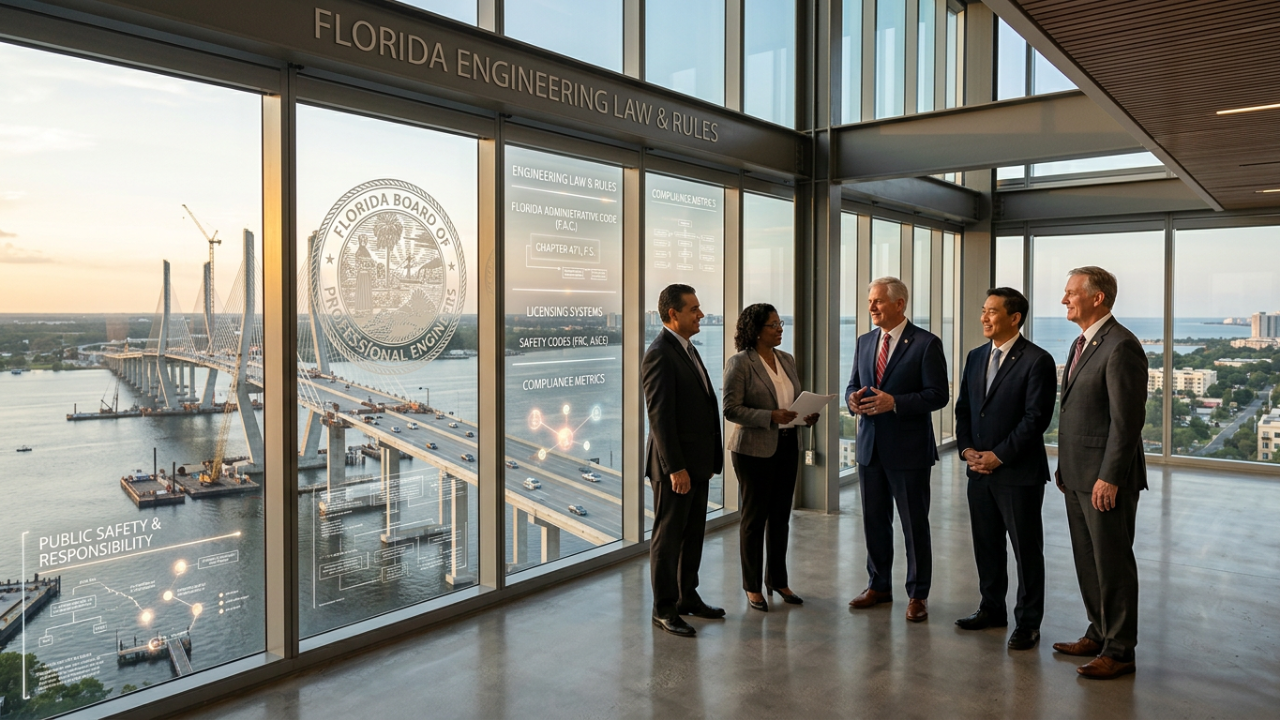
Florida Engineering Laws and Rules
1 CE HOUR
This course reviews Florida engineering laws and FBPE regulations, focusing on licensure, ethics, professional standards, and protecting public safety and welfare.
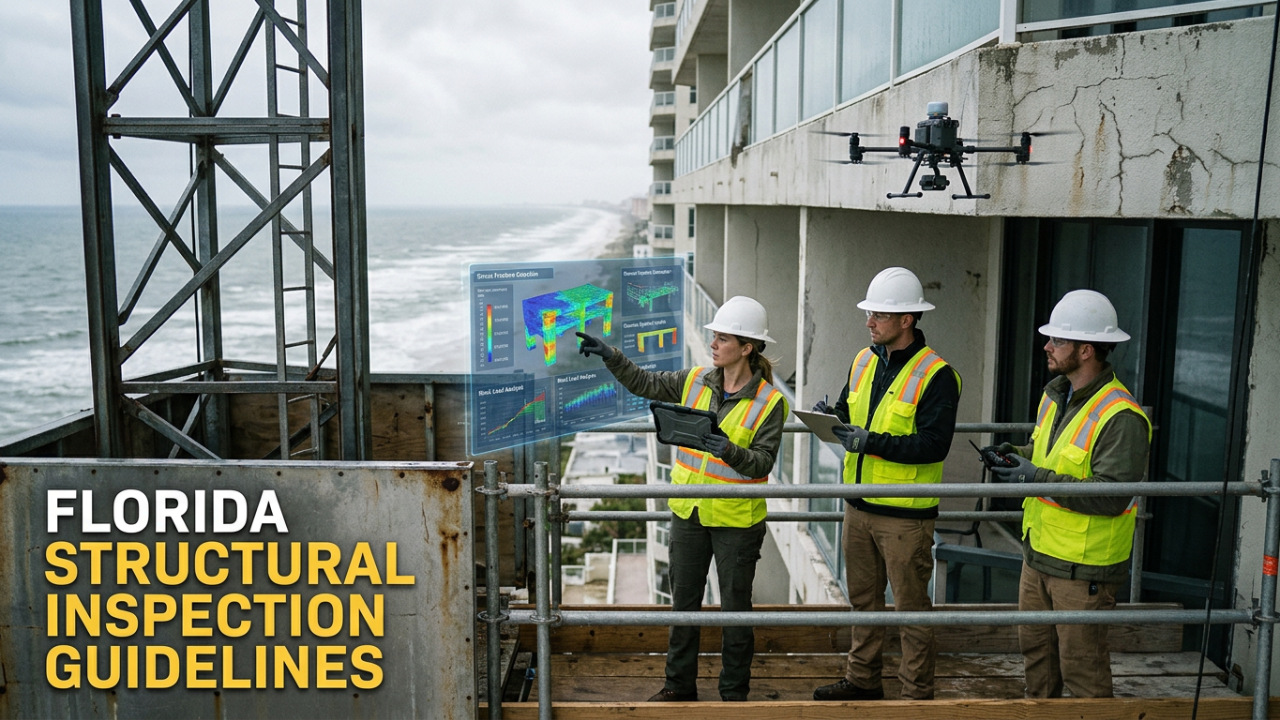
Florida Structural Inspection Guidelines
2 CE Hours
This course explains Florida structural inspection guidelines, focusing on standardized evaluations, building safety, structural integrity, and identifying maintenance or repair needs.
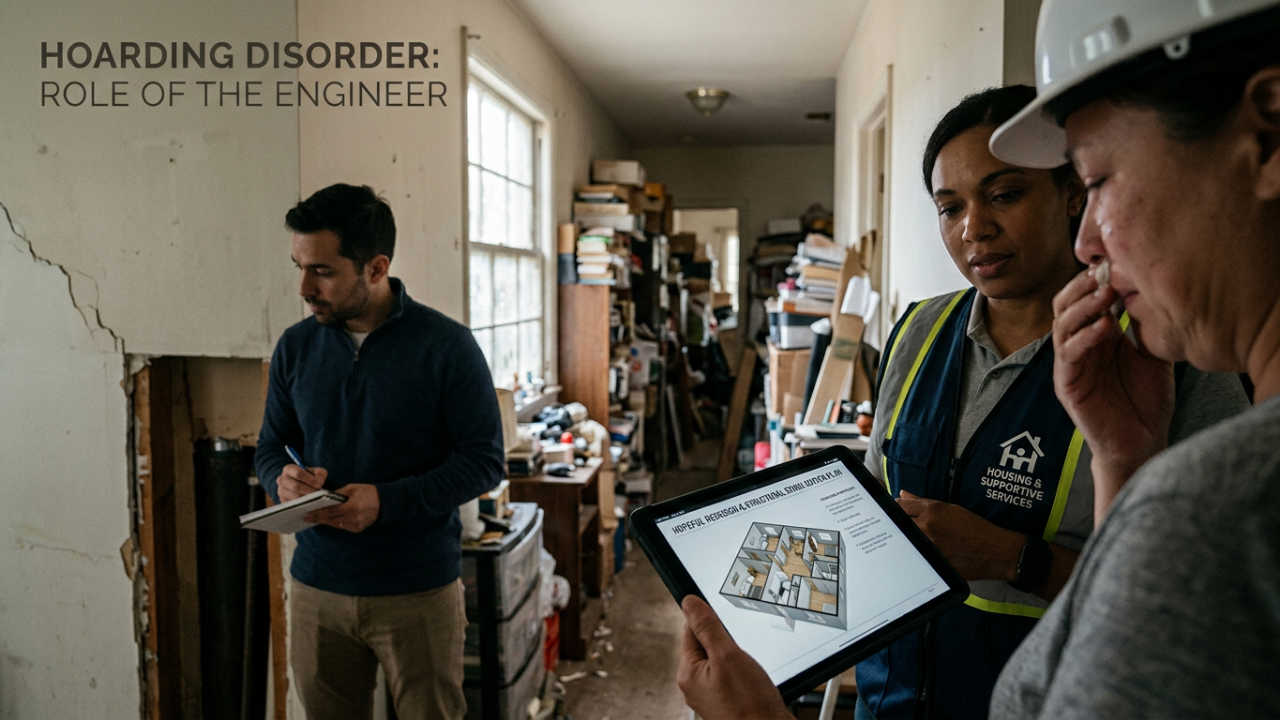
Hoarding Disorder: Role of the Engineer
1 CE Hours
This course explores how engineers can address hoarding disorder through safer space design, clutter management solutions, and environments that support mental well-being.

Hydrological Modelling and Climate Change Adaptations
3 CE Hours
This course explores hydrological modelling and climate adaptation strategies used to predict water system impacts, manage flood risks, and improve resilience to climate change.
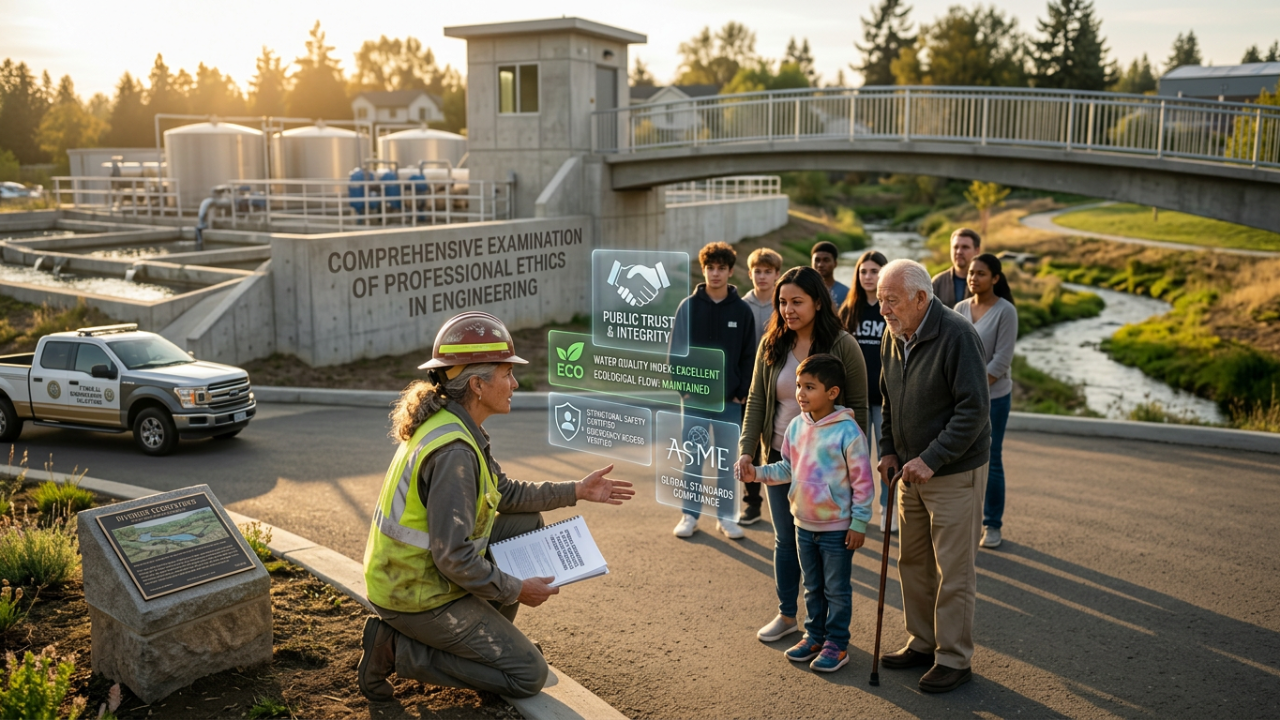
Comprehensive Examination of Professional Ethics in Engineering
2 CE Hours
This course examines engineering ethics, focusing on integrity, accountability, transparency, and protecting public welfare through responsible professional decision-making.
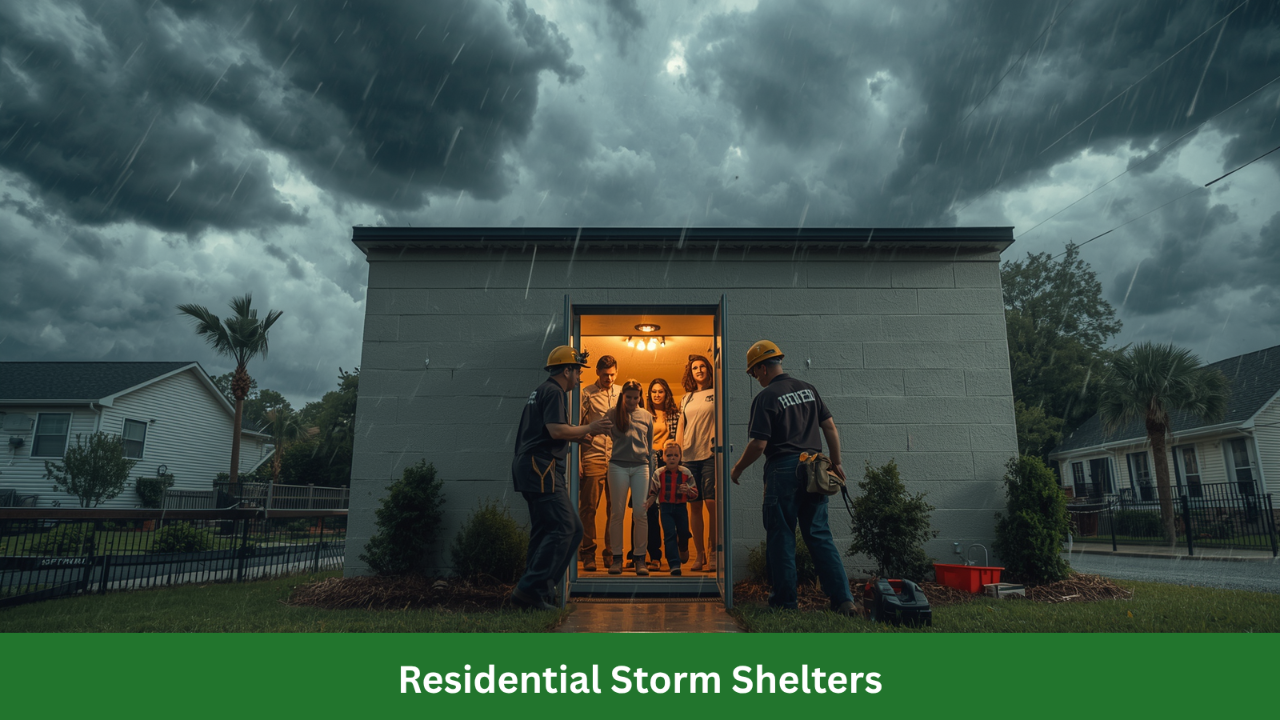
Residential Storm Shelters
1 CE Hour
This course explores residential storm shelters designed to protect families from hurricanes and tornadoes using FEMA guidelines and resilient, safety-focused construction.

Risk Management for Engineers
2 CE Hours
This course explores risk management strategies for engineers, focusing on project uncertainty, cost control, legal liabilities, safety, and improving operational performance.
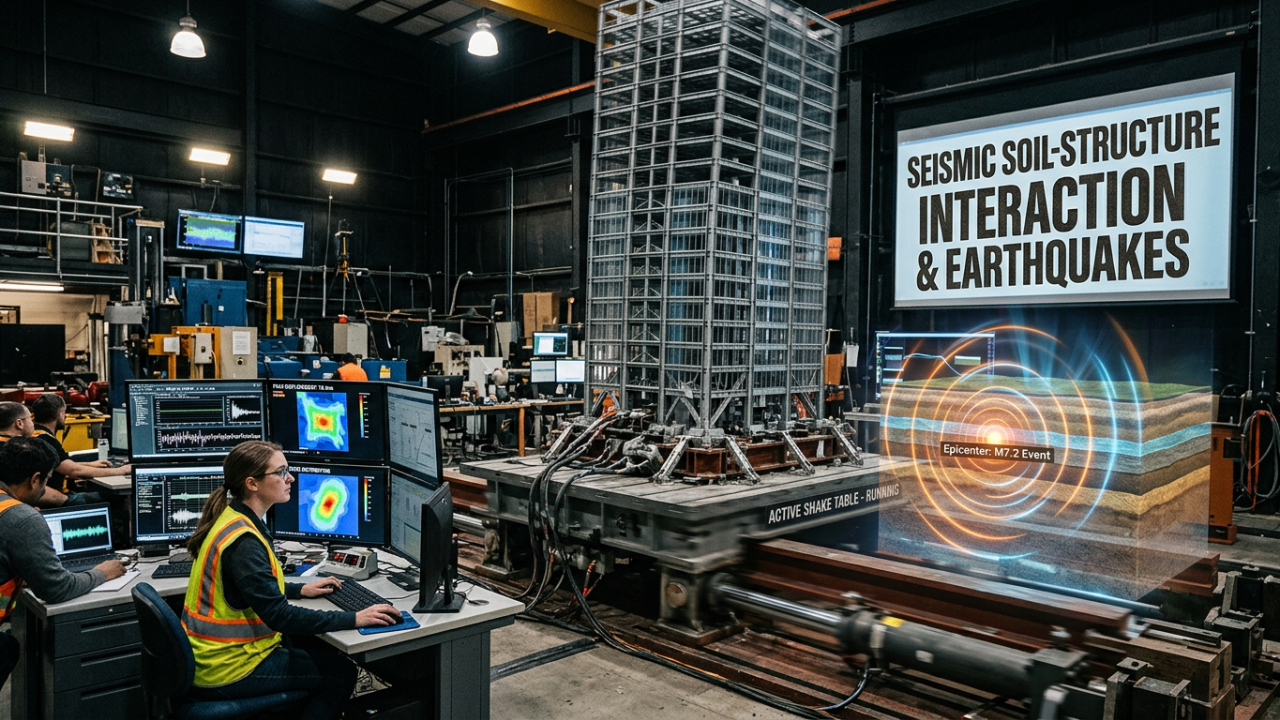
Seismic Soil-Structure Interaction in Earthquakes
2 CE Hours
This course examines Soil-Structure Interaction in earthquakes, focusing on how soil and structures respond together to seismic forces and dynamic loading conditions.

Sustainable and Eco-Friendly Building Materials
2 CE Hours
This course explores sustainable building materials that reduce environmental impact, conserve resources, improve energy efficiency, and support eco-friendly construction practices.
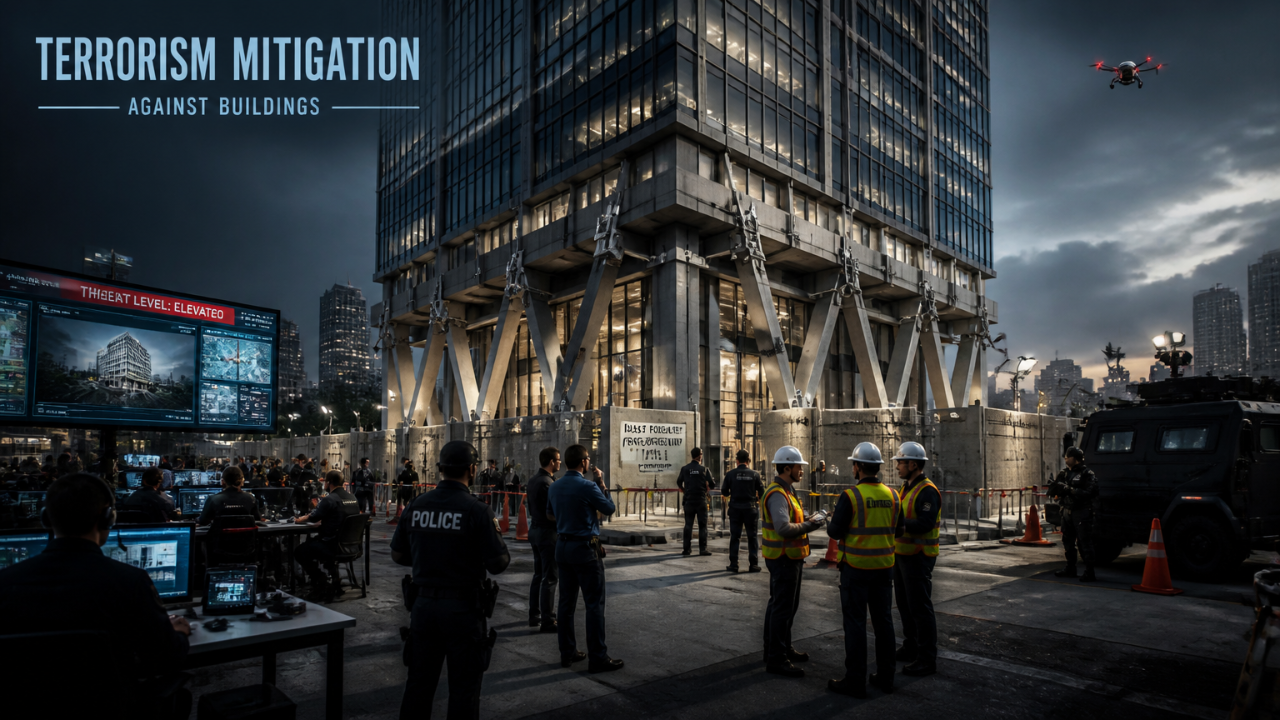
Terrorism Mitigation in Buildings
3 CE Hours
This course explores building security strategies that reduce terrorism risks through site planning, access control, barriers, and blast-resistant design features.
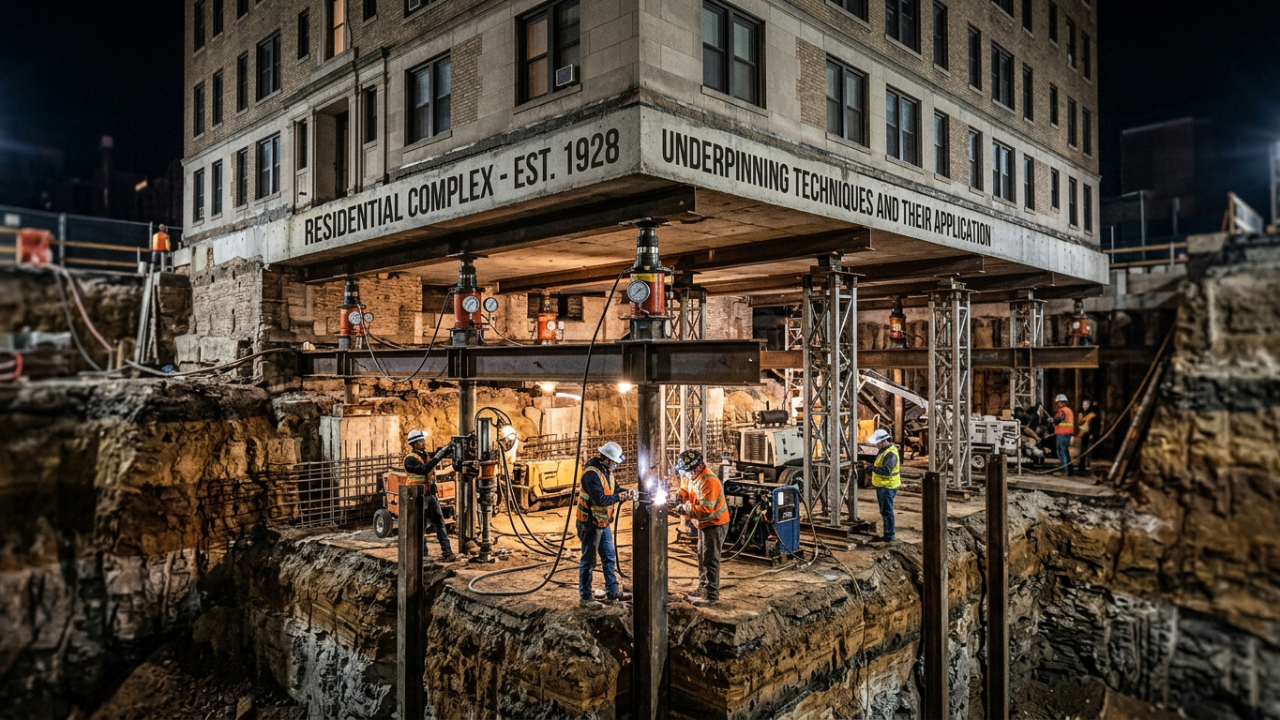
Underpinning Techniques and their Application
1 CE Hour
This course examines underpinning techniques used to strengthen weak foundations, prevent structural failure, stabilize buildings, and support increased structural loads.

Urban Heat Island Effect
2 CE Hours
This course examines the Urban Heat Island effect, exploring how urbanization increases local temperatures and how sustainable planning can reduce heat impacts.
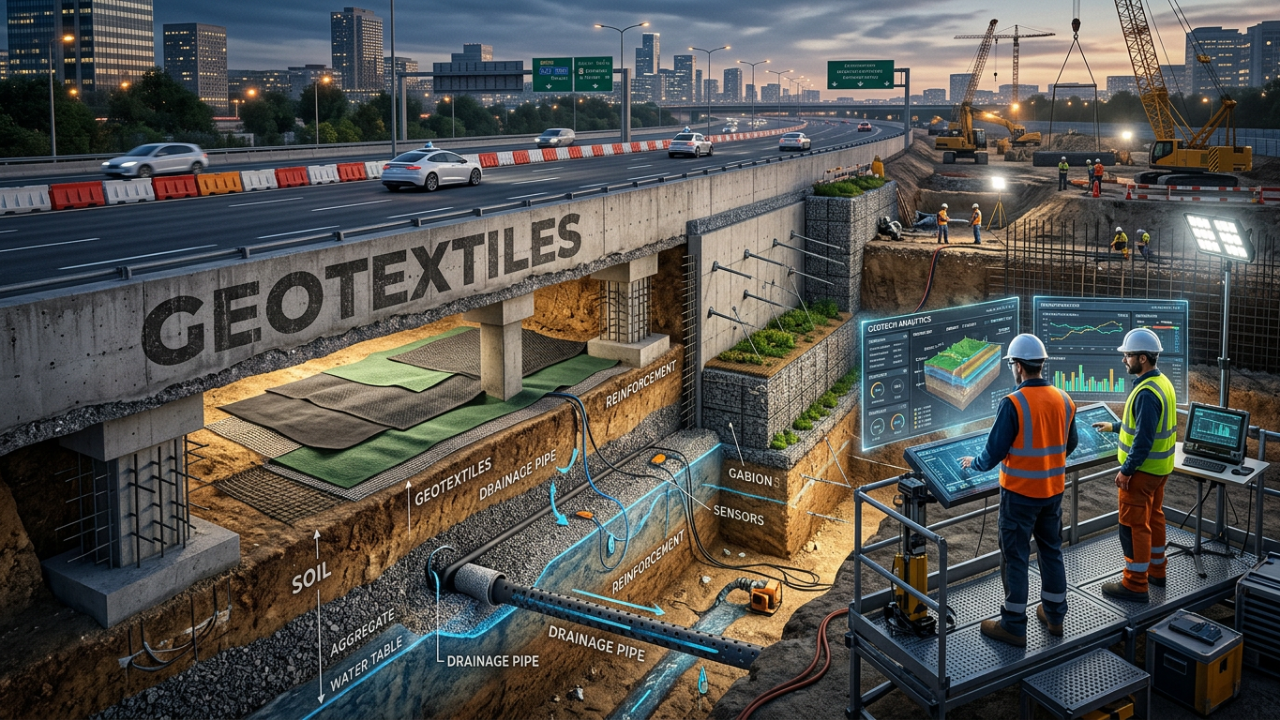
Geotextiles
2 CE Hours
This course explores geotextiles used in civil engineering for soil stabilization, drainage, filtration, reinforcement, erosion control, and sustainable infrastructure development.

Advanced Electrical Circuit Design
4 CE Hours
This course covers advanced electrical circuit design, including complex analysis, AC circuits, filters, PCB design, simulations, and modern engineering applications.
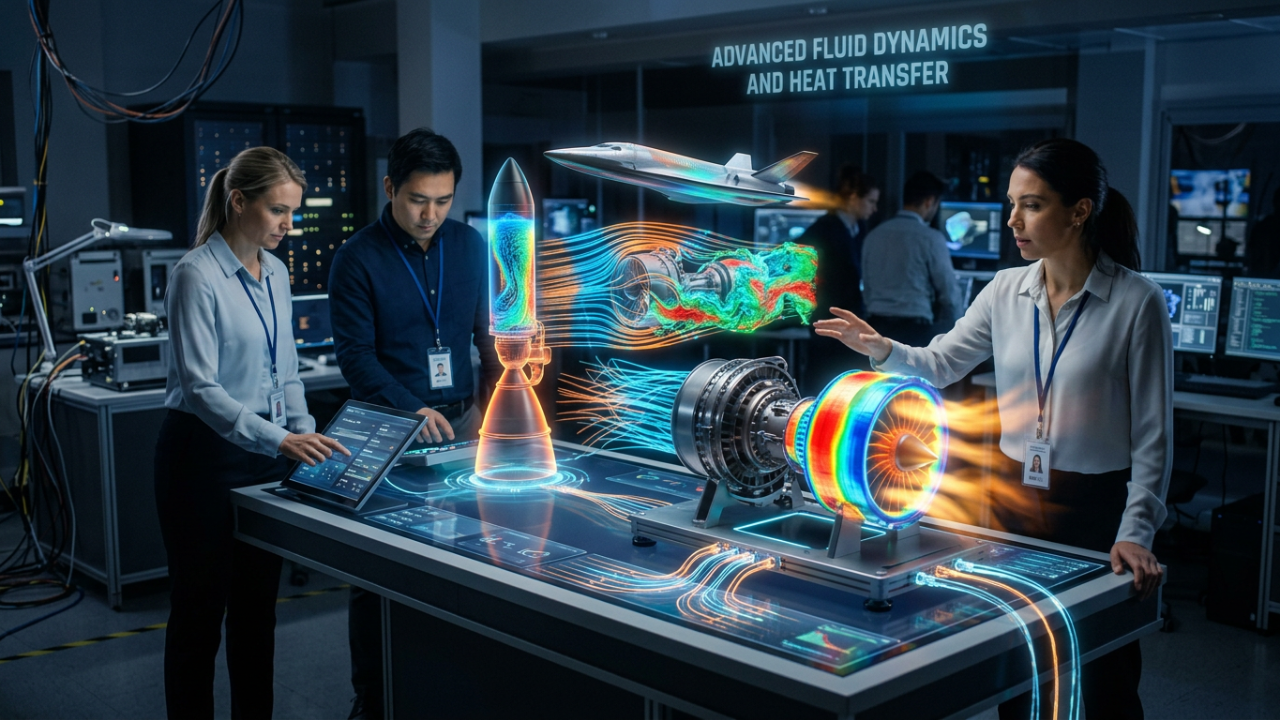
Advanced Fluid Dynamics and Heat Transfer
4 CE Hours
This course explores advanced fluid dynamics and heat transfer, focusing on fluid flow, turbulence, heat exchange, and engineering applications requiring precision and efficiency.
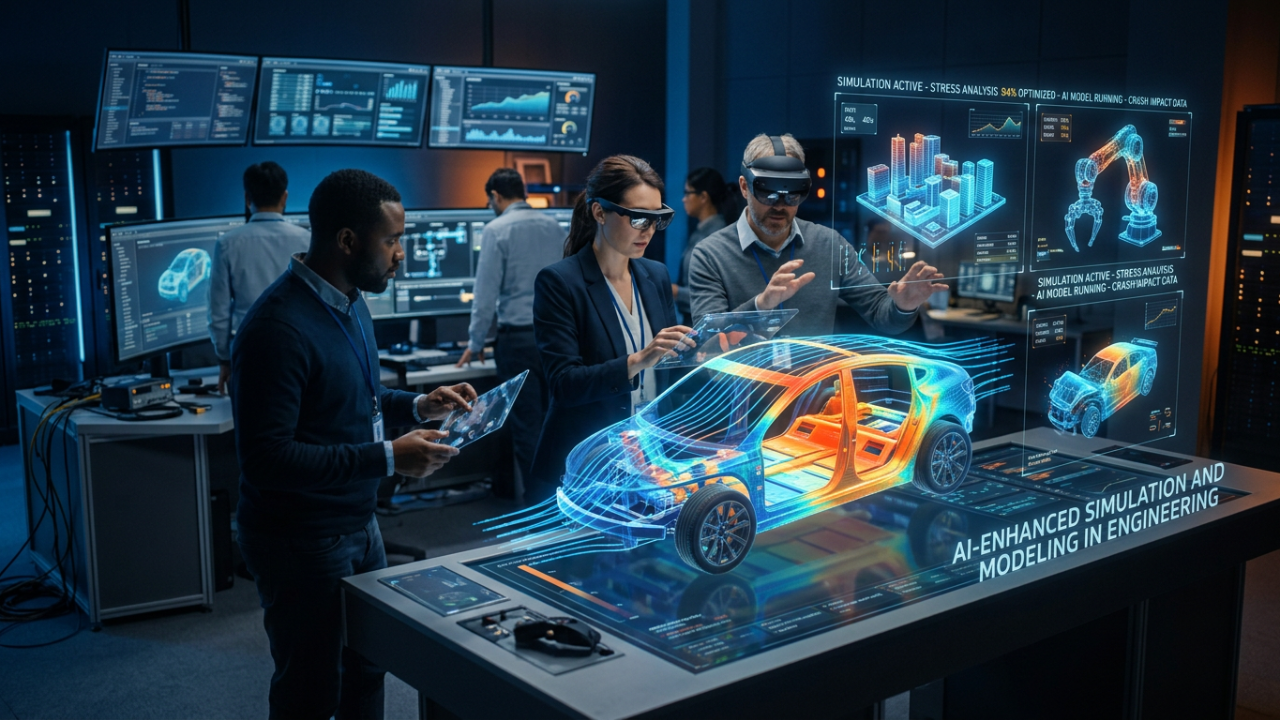
AI-Enhanced Simulation and Modelling in Engineering
1 CE Hours
This course explores AI-enhanced engineering simulations, combining machine learning with traditional modeling to improve accuracy, efficiency, prediction, and design optimization.
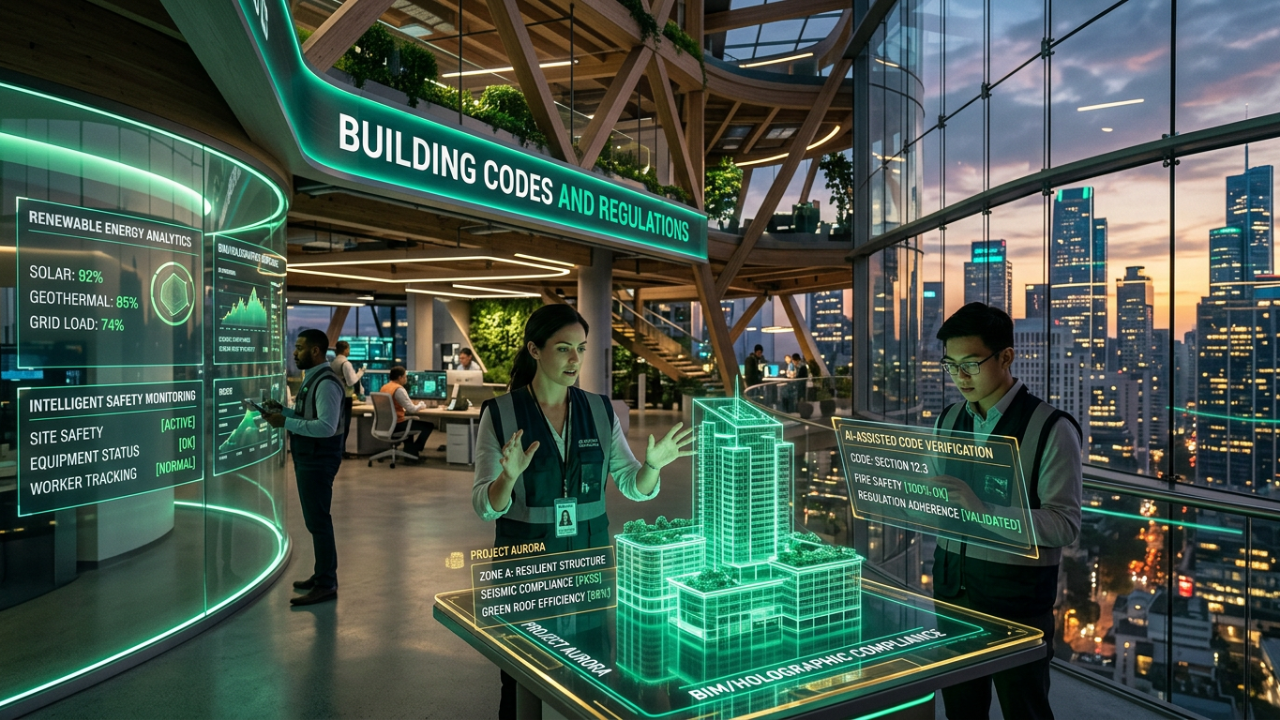
Building Codes and Regulations
6 CE Hours
This course reviews modern building codes and regulations, focusing on safety, energy efficiency, resilient design, sustainability, and smart building standards.
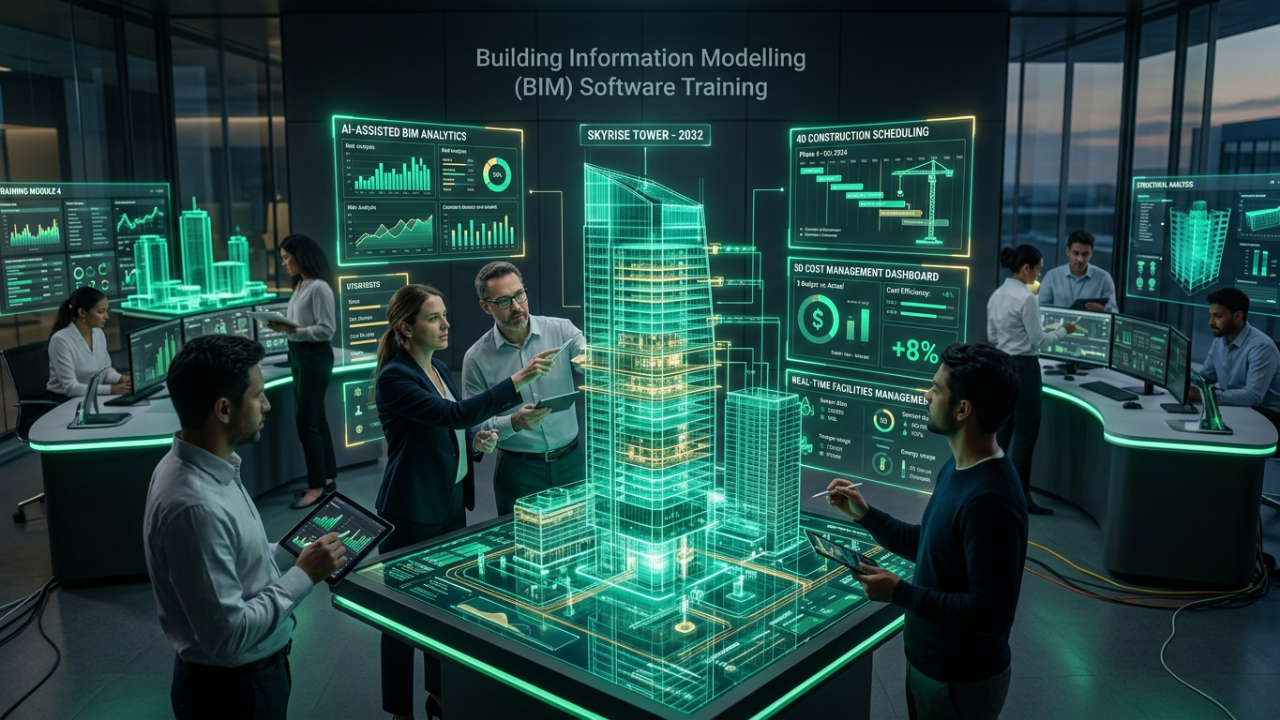
Building Information Modelling (BIM) Software Training
5 CE Hours
This BIM course teaches digital building design, collaboration, scheduling, cost estimation, and lifecycle management using practical tools for modern AEC projects.
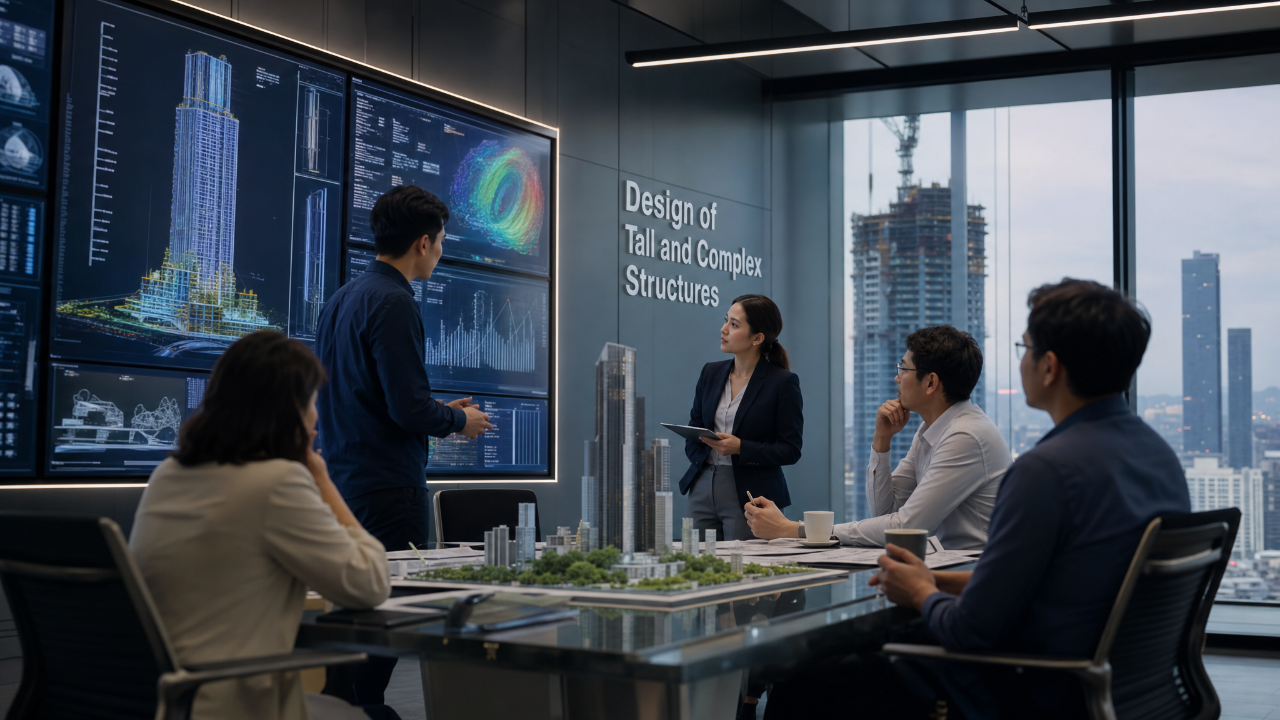
Design of Tall and Complex Structures
5 CE Hours
This course explores practical methods for designing tall and complex structures, improving structural efficiency, teamwork, and real-world engineering decision-making.
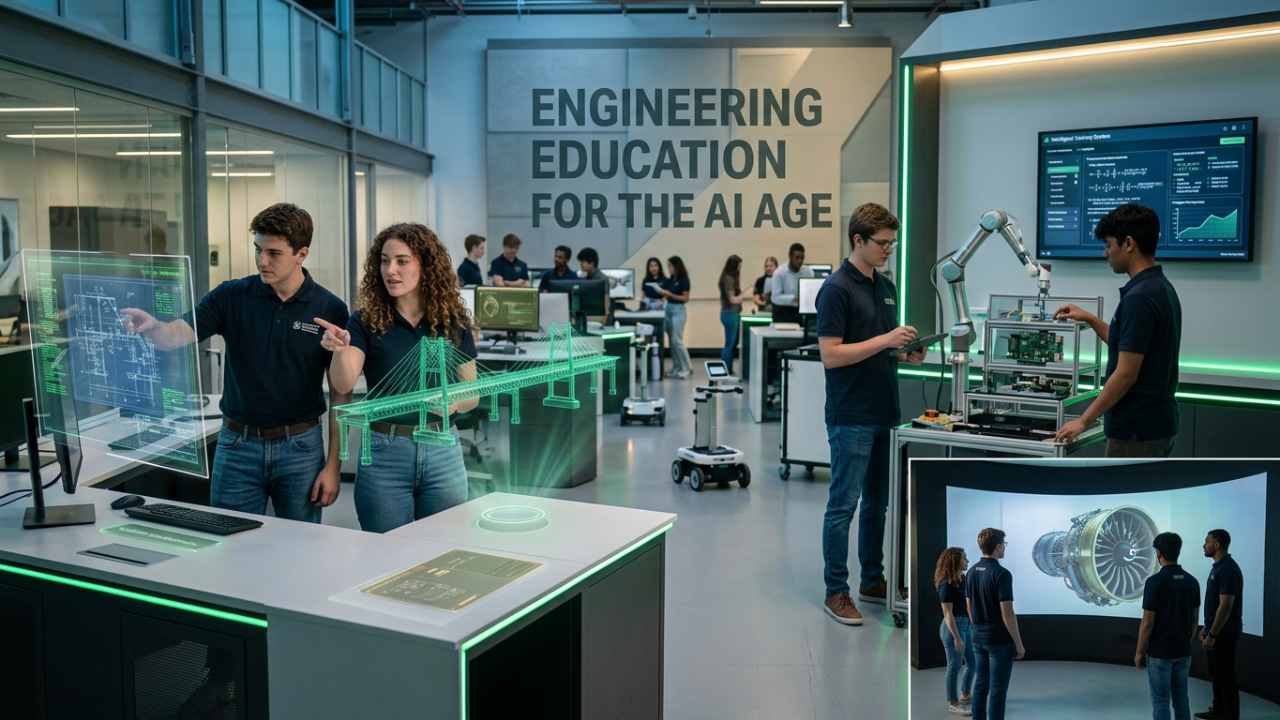
Engineering Education for the AI Age
3 CE Hours
This course explores how AI is transforming engineering education, combining traditional principles with AI skills, innovation, and interdisciplinary collaboration.
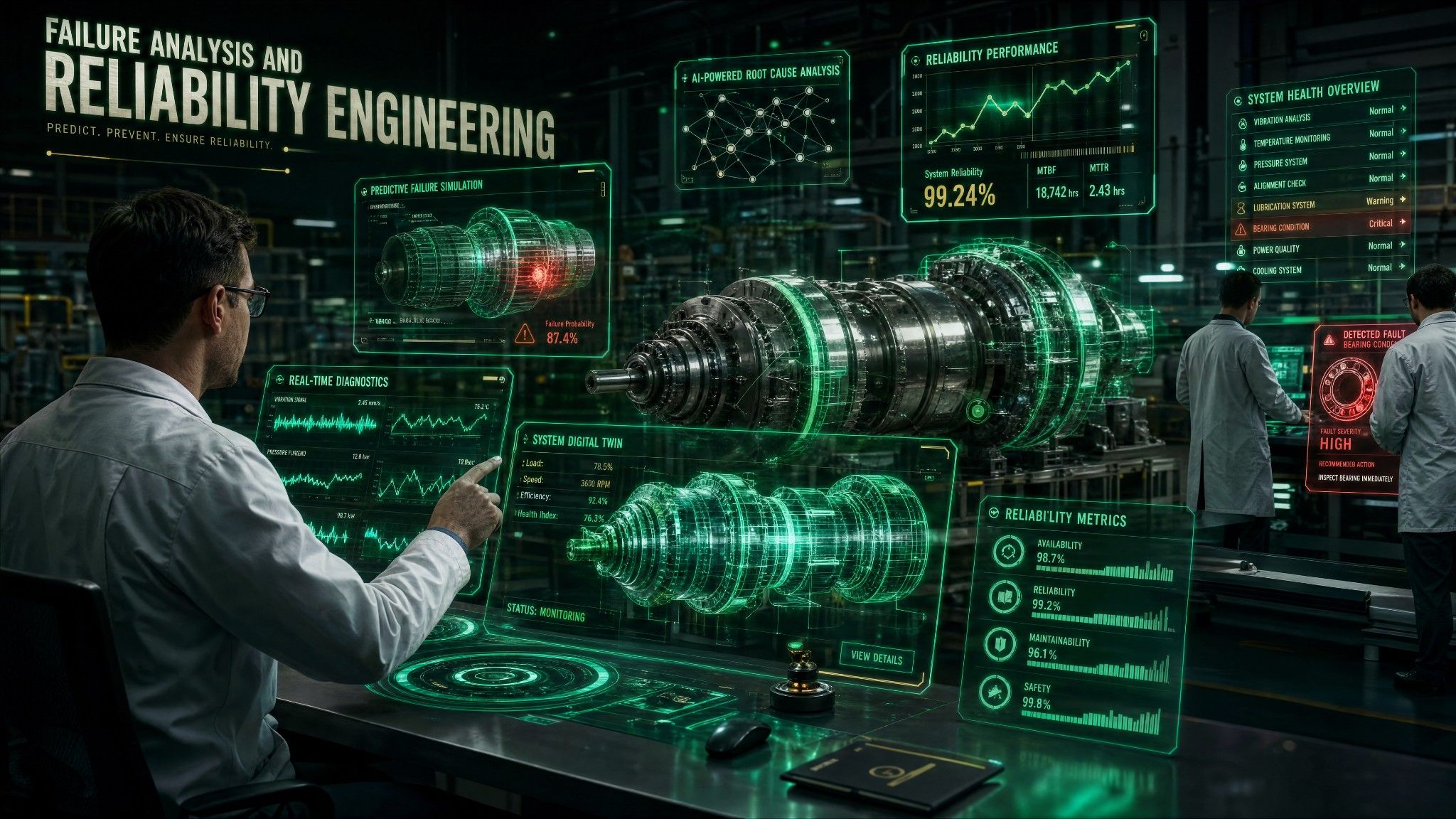
Failure Analysis and Reliability Engineering
4 CE Hours
This course explores failure analysis and reliability engineering, focusing on root causes, risk reduction, system performance, and improving product safety and durability.
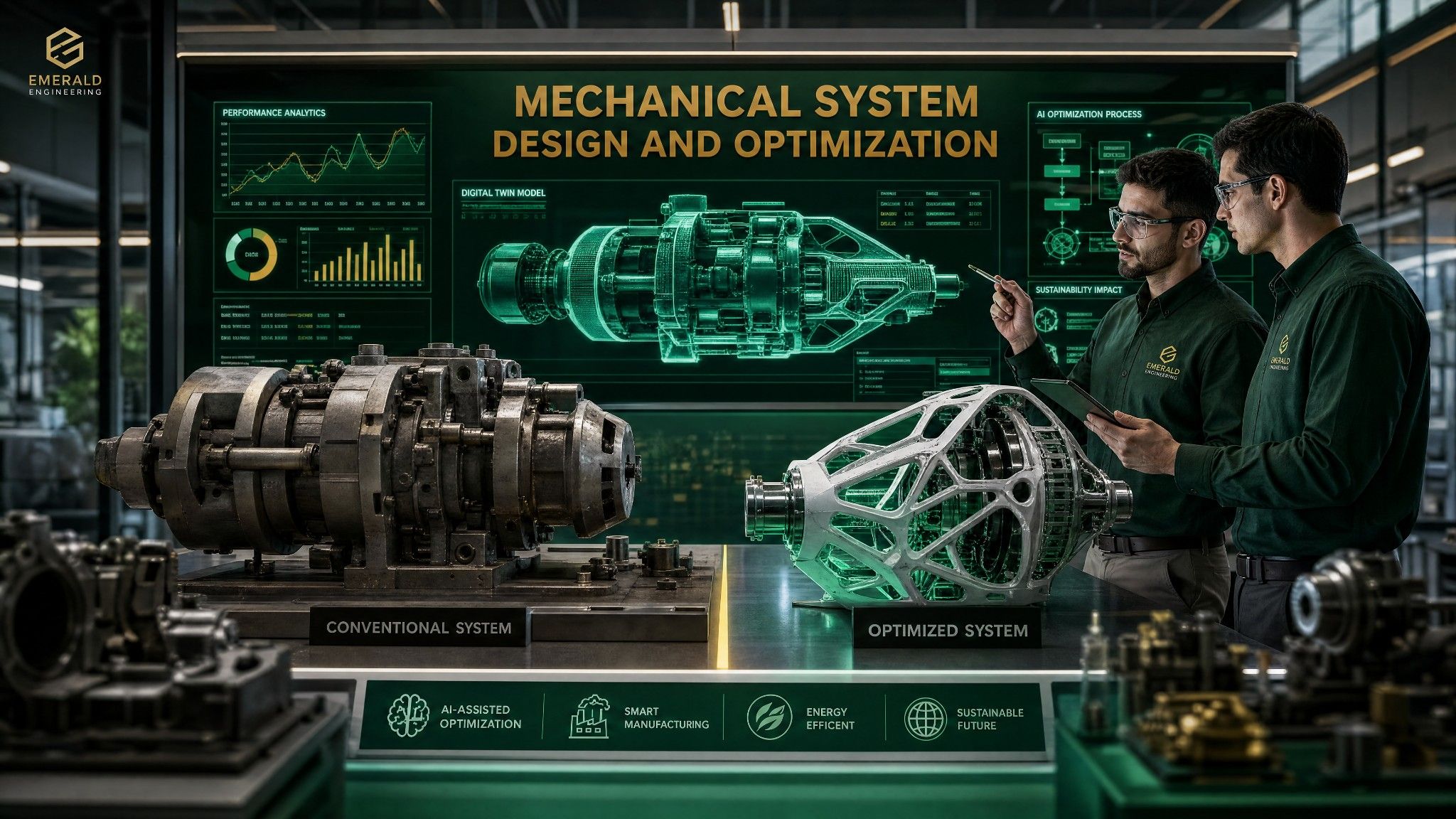
Mechanical System Design and Optimization
4 CE Hours
This course explores mechanical system design and optimization using advanced modeling, simulation, AI, and smart technologies to improve efficiency and sustainability.
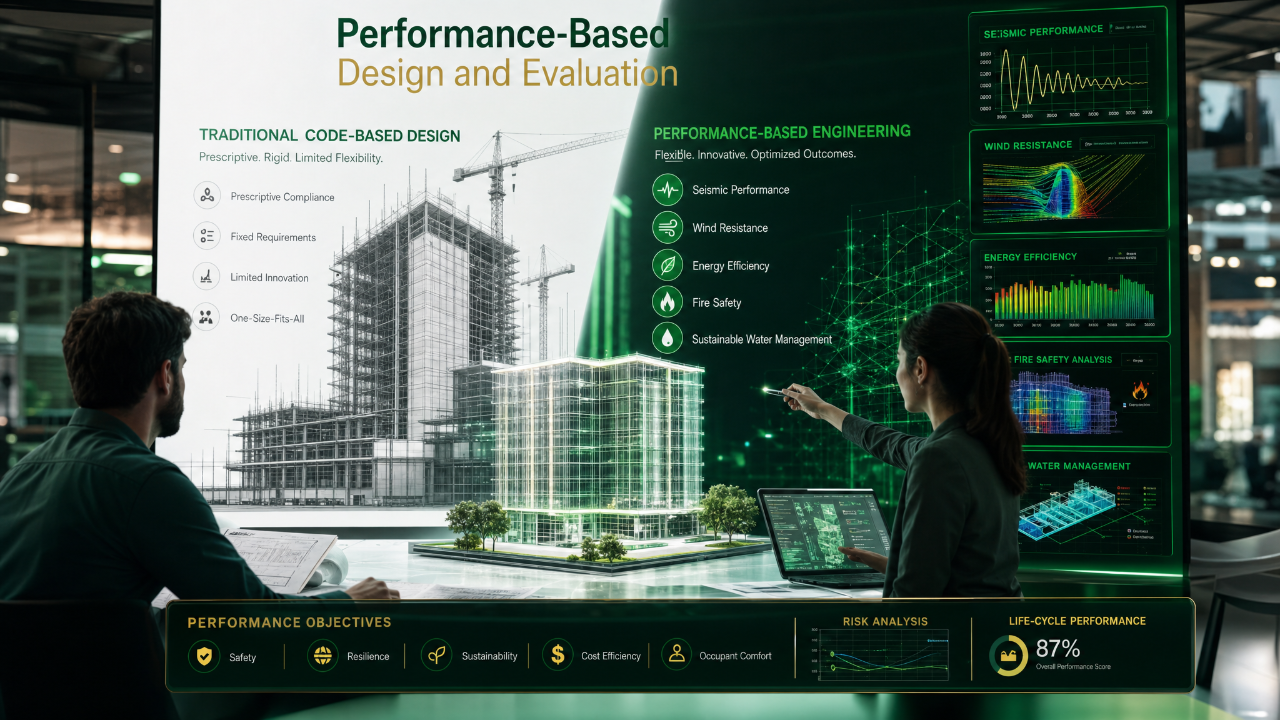
Performance Based Design and Evaluation
6 CE Hours
This course explores performance-based design methods that use advanced modeling and analysis to improve safety, efficiency, resilience, and sustainability in buildings.

Quality Assurance
(Section 2)
2 CE Hours
This course explores advanced quality assurance and control methods, including ISO standards, audits, SPC, Lean, Six Sigma, and continuous process improvement.
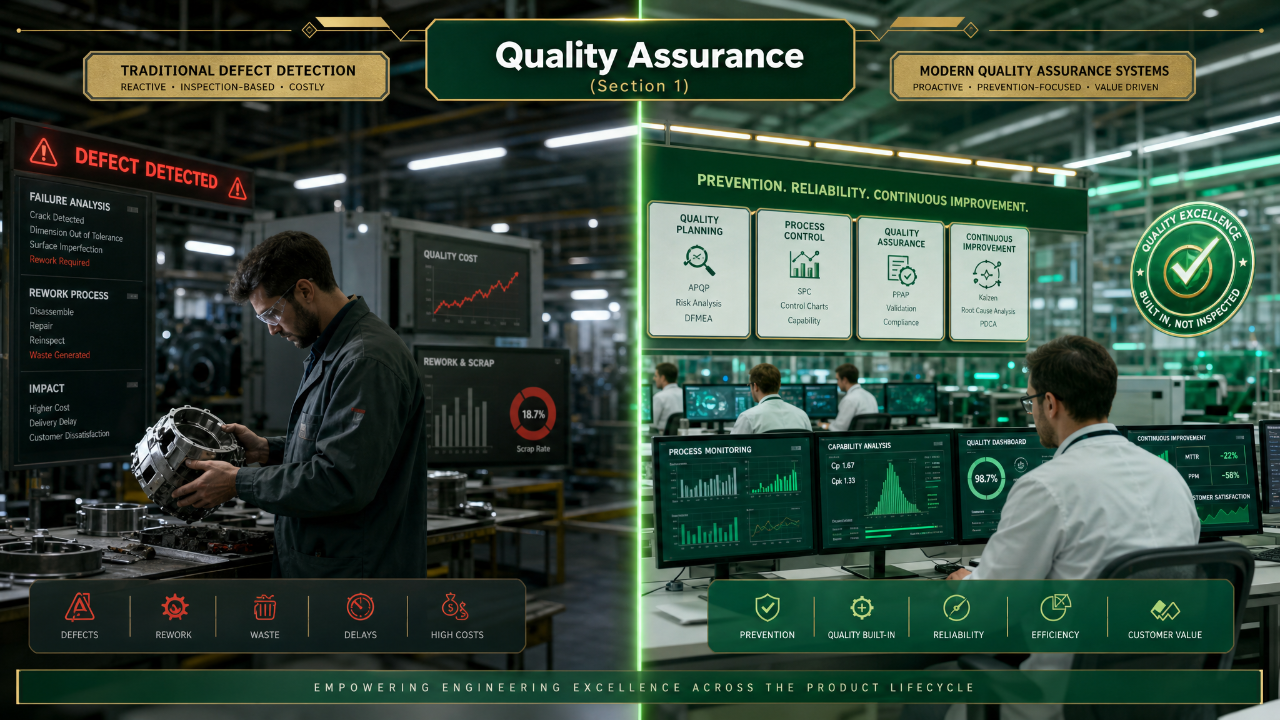
Quality Assurance
(Section 1)
2 CE Hours
This course introduces quality assurance principles, focusing on QA, QC, quality planning, process improvement, and strategies for delivering reliable engineering outcomes.
Remediation and Rehabilitation of Existing Structures
5 CE Hours
This course explores rehabilitation strategies for aging structures, focusing on safety, retrofitting, seismic upgrades, corrosion control, and sustainable infrastructure renewal.

Six Sigma Methodologies
4 CE Hours
This course explores Six Sigma methodologies for improving quality, reducing defects, optimizing processes, and using data-driven decision-making in engineering and management.
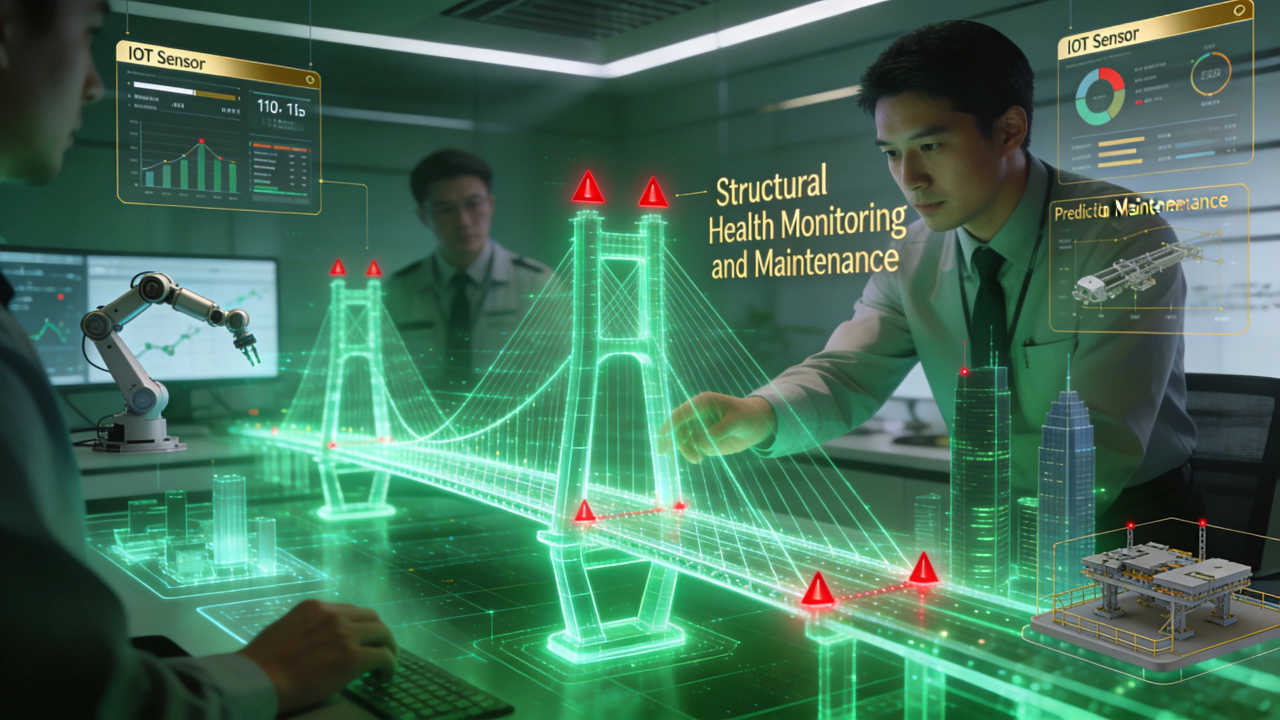
Structure Health Monitoring and Maintenance
4 CE Hours
This course explores structural health monitoring systems, sensor technologies, and predictive maintenance strategies to improve safety, detect damage early, and extend structure lifespan.
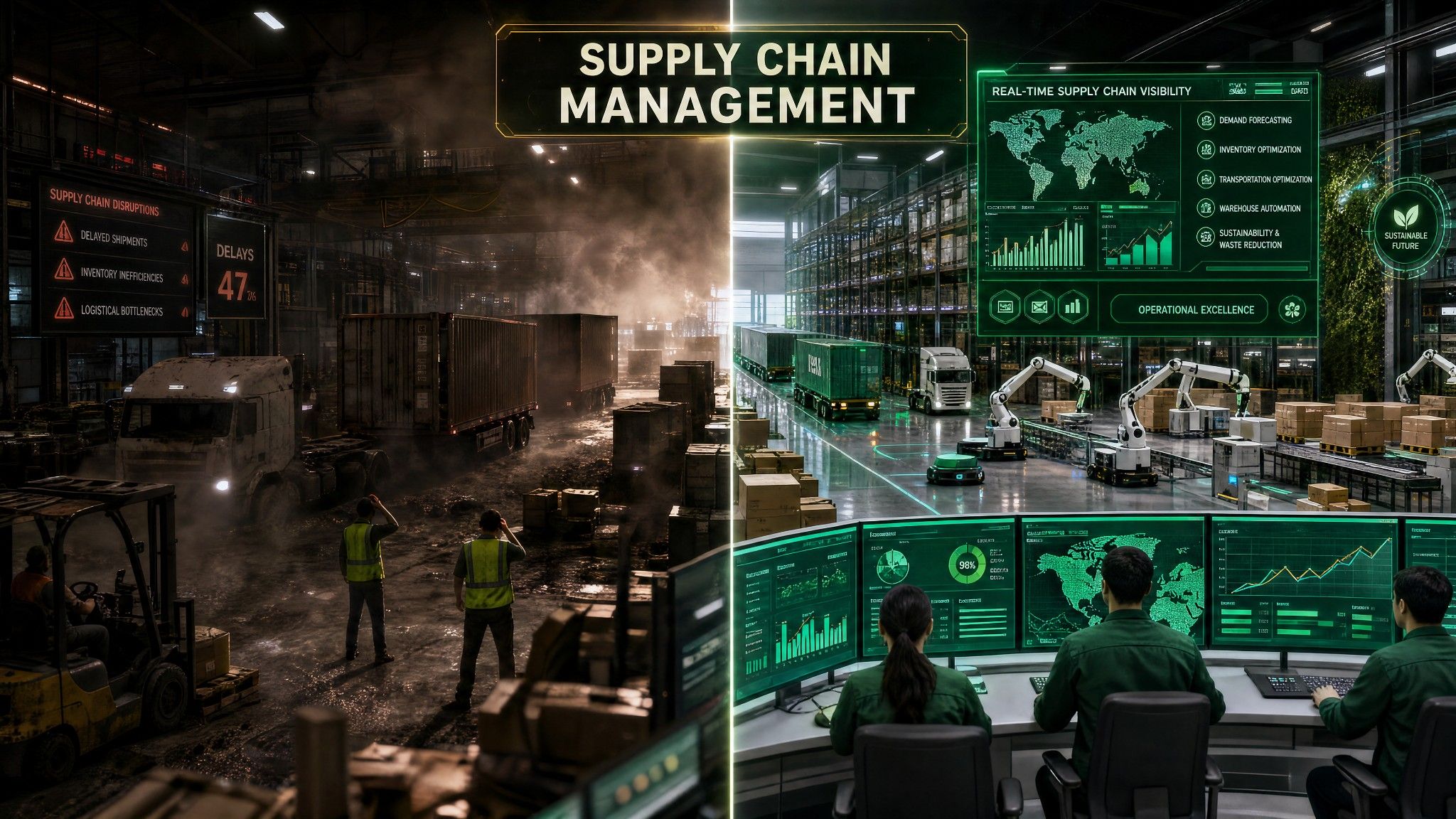
Supply Chain Management
3 CE Hours
This course explores supply chain management strategies for optimizing logistics, inventory, transportation, and operational efficiency using Lean, Six Sigma, and process improvement methods.
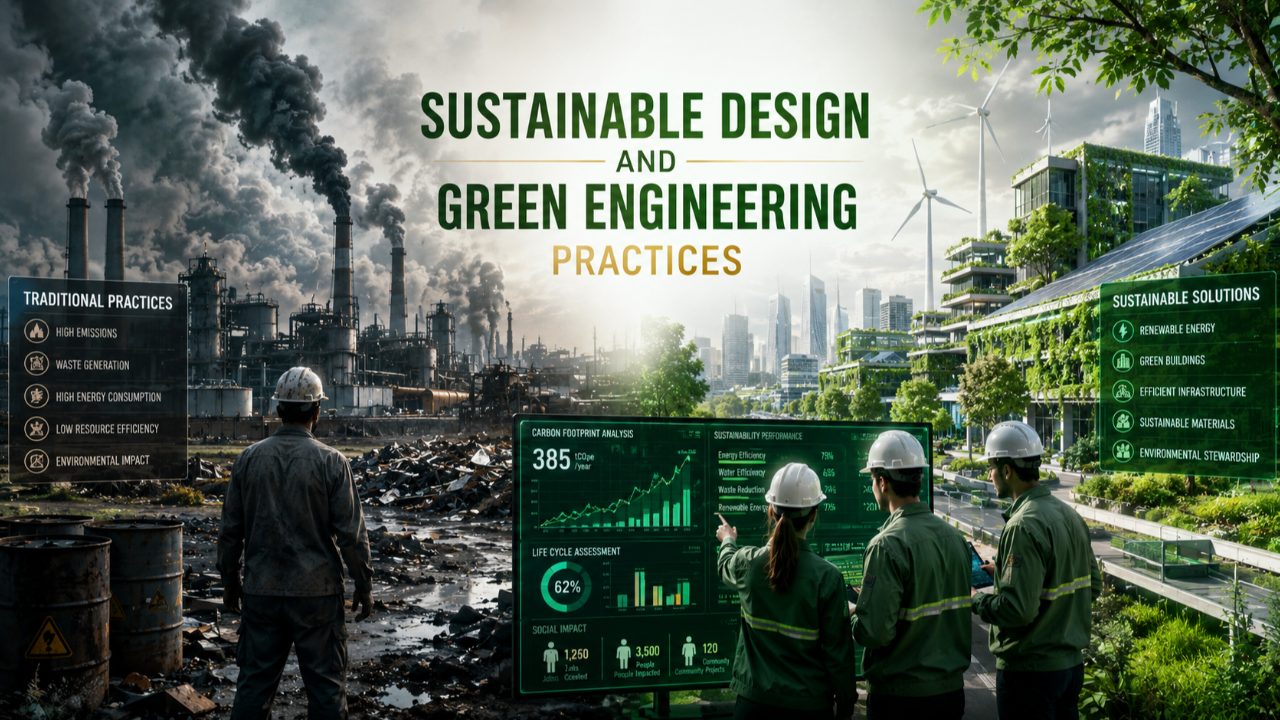
Sustainable Design and Green Engineering Practices
4 CE Hours
This course explores sustainable engineering practices that reduce environmental impact through green design, renewable energy, resource efficiency, and sustainable infrastructure solutions.

Wireless Communication and Networking for Electrical Systems
3 CE Hours
This course explores wireless communication and networking technologies used in electrical systems to improve connectivity, automation, efficiency, and real-time data exchange.
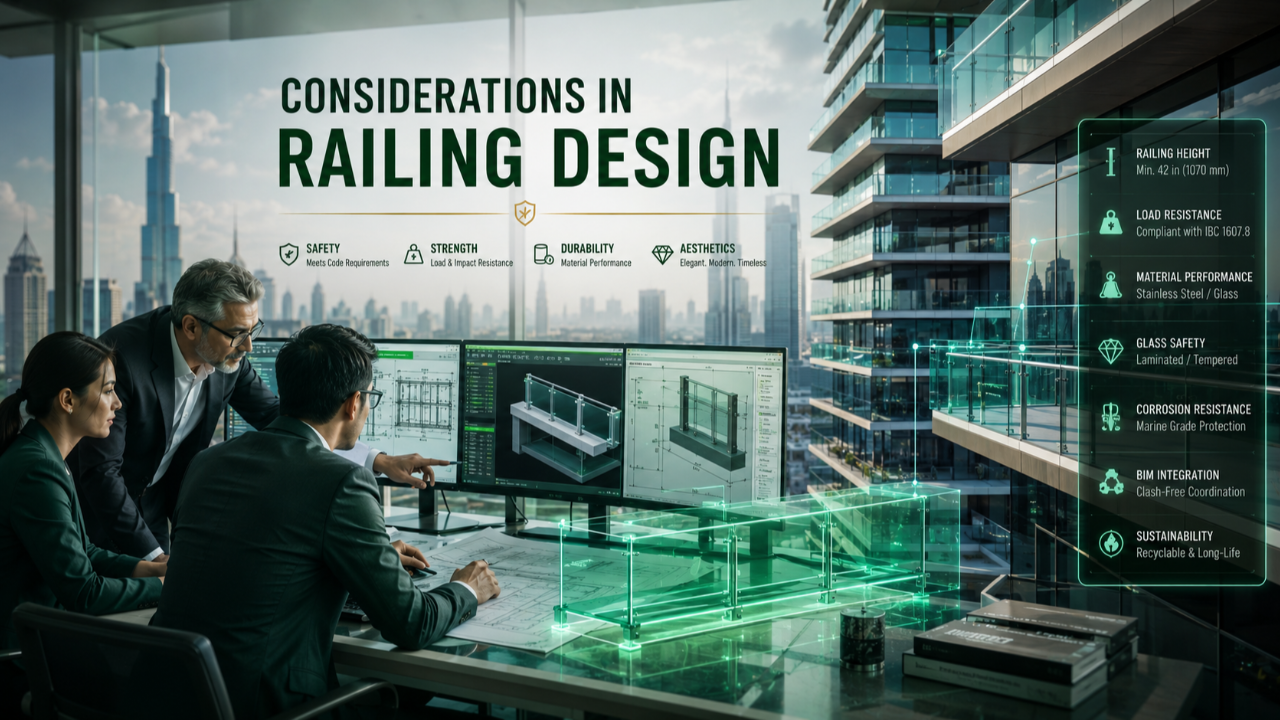
Considerations In Railing Design
3 CE Hours
This course explores railing design principles, focusing on safety regulations, materials, aesthetics, BIM technologies, and modern architectural detailing for balcony systems.
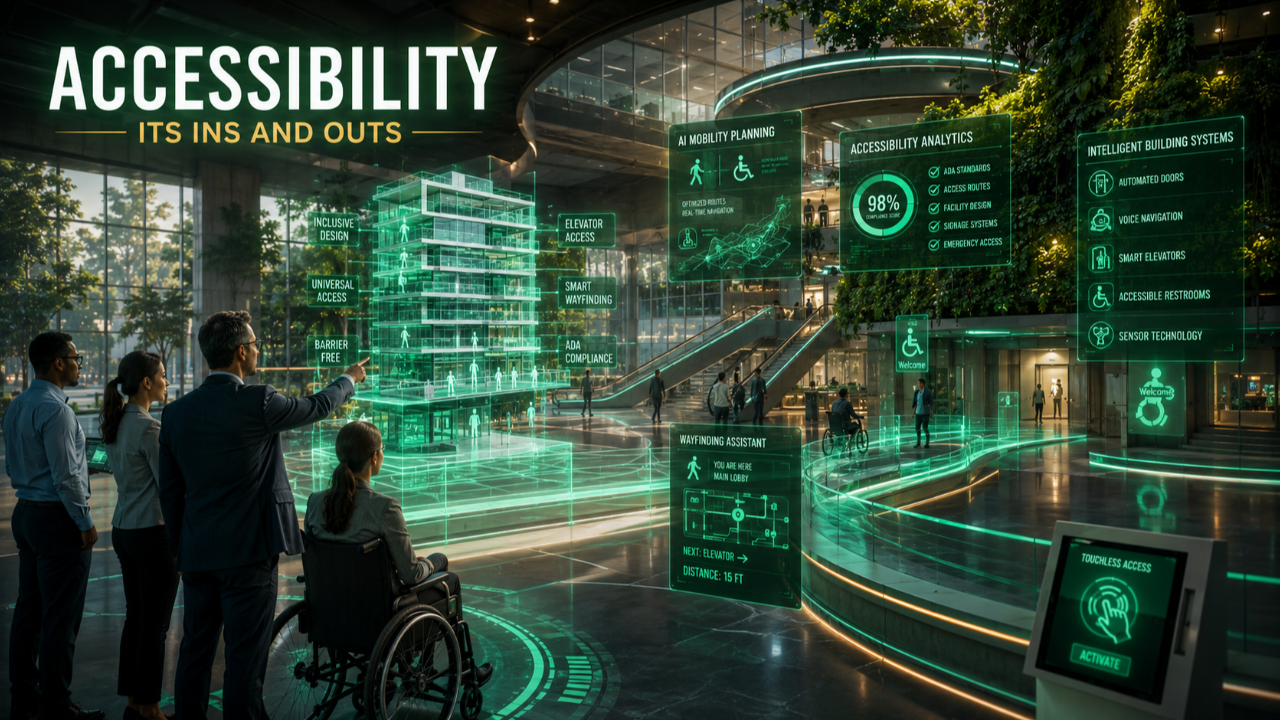
Accessibility - Its Ins and Outs
2 CE Hours
This course explores ADA accessibility requirements for buildings, focusing on parking, pathways, entrances, mobility access, and inclusive facility design.
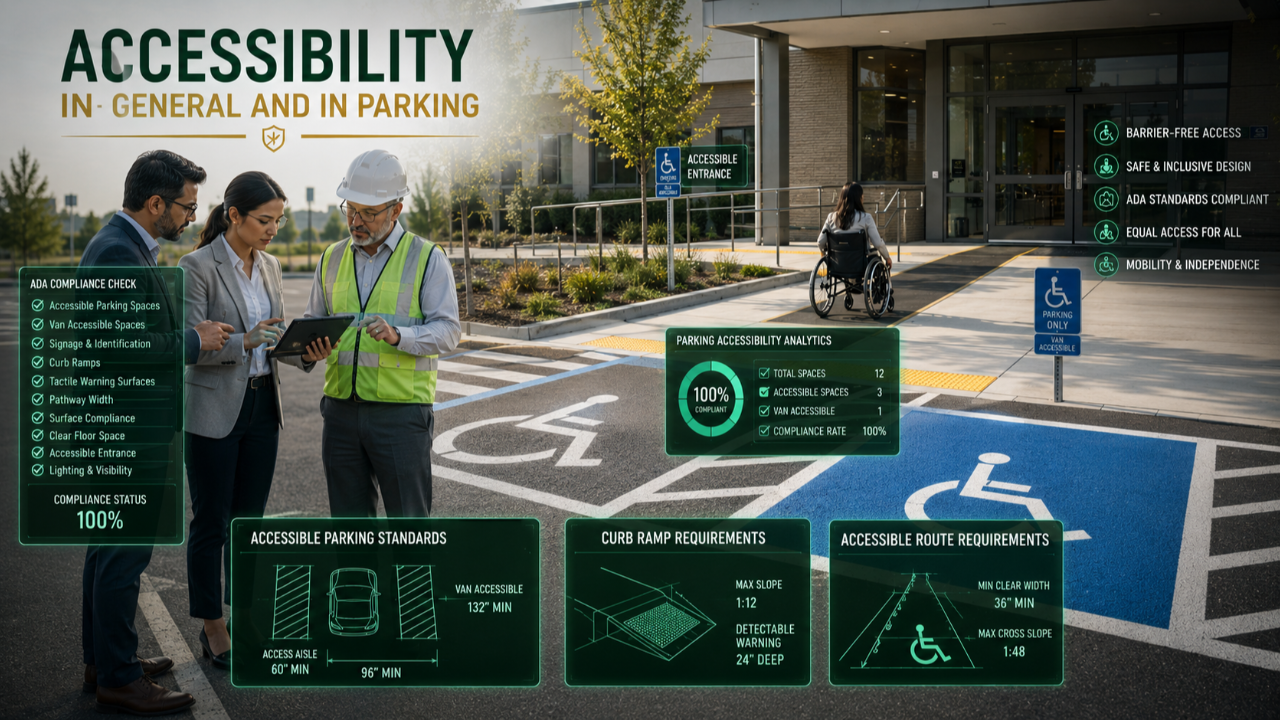
Accessibility In General and In Parking
2 CE Hours
This course explains ADA accessibility requirements for parking and public spaces, focusing on compliant pathways, paving, transitions, and inclusive facility access.
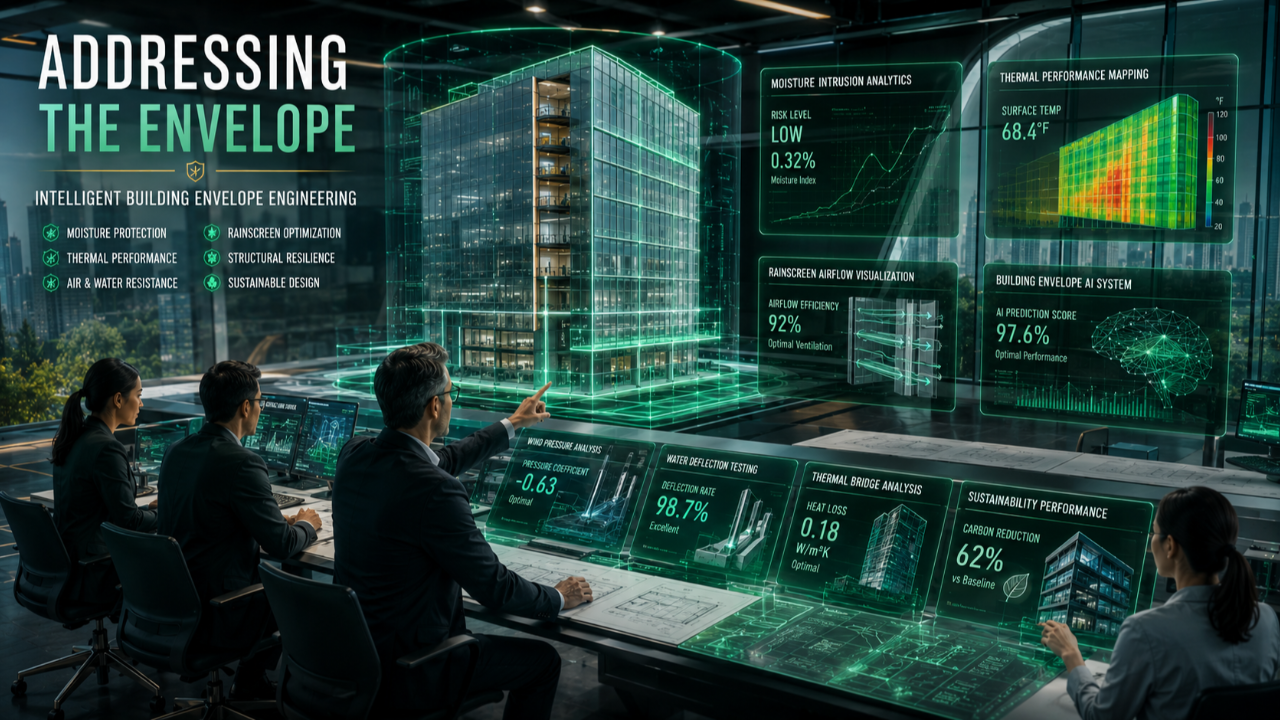
Addressing The Envelope
2 CE Hours
This course explores building envelope systems, focusing on moisture protection, rainscreens, waterproofing, material selection, and maintaining separation between indoor and outdoor environments.
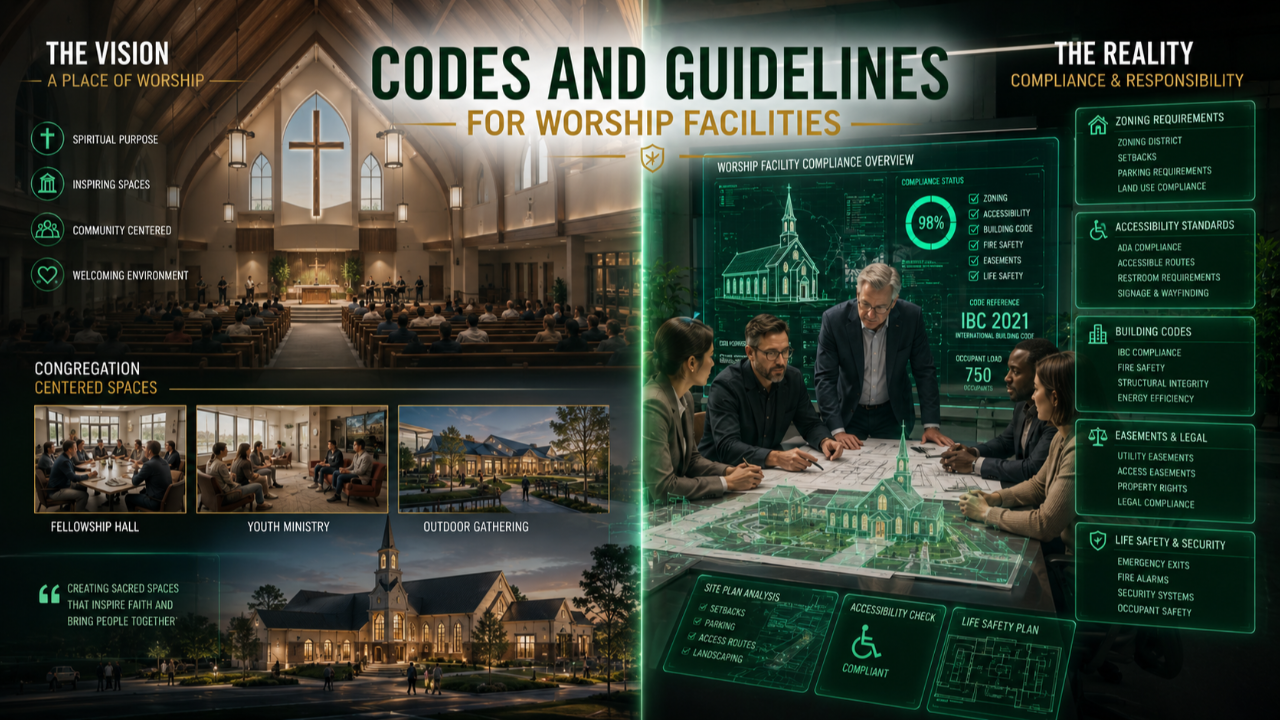
Codes and Guidelines For Worship Facilities
4 CE Hours
This course explores codes and design guidelines for worship facilities, covering zoning, accessibility, regulations, site planning, and balancing spiritual and practical needs.
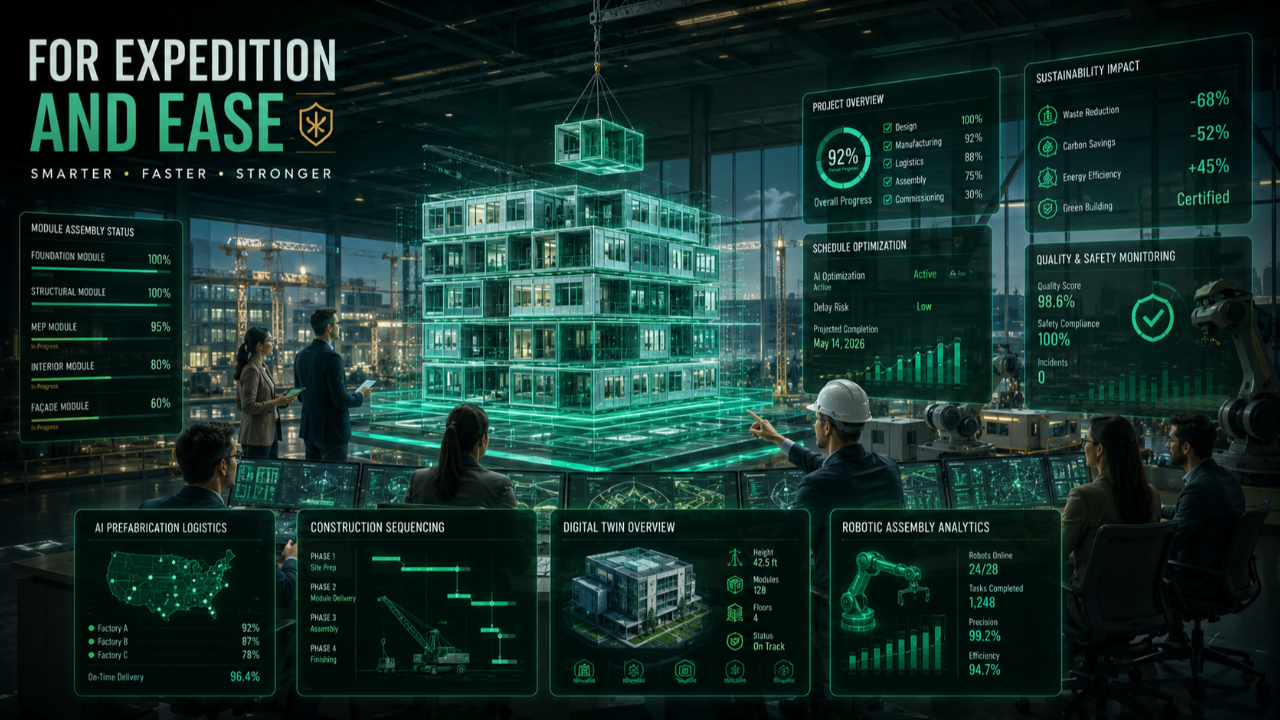
For Expedition and Ease
2 CE Hours
This course explores prefabrication in construction, focusing on faster installation, cost savings, modular building systems, and improved project efficiency and profitability.
Why Engineers Choose Unlimited PDH Access
Most engineers pay for courses one at a time — which adds up fast and creates unnecessary admin work. See how unlimited access compares.
| ✦ Unlimited Access (PDHhub) Best Value | Pay Per Course |
|---|---|
| One flat annual fee | Pay for each course individually |
| Unlimited PDH hours | Limited to credits purchased |
| No purchase tracking needed | Must manage multiple purchases |
| Cost-effective over time | Expensive when requirements add up |
| Take extra courses at no cost | Every extra course costs more |
| Access entire course library instantly | Limited to what you paid for |
Trusted Continuing Education Provider
PDHhub is powered by Education Pathways, LLC — a continuing education provider with over 20 years of experience serving professional engineers across the United States.
Our engineering PDH courses are accepted by licensing boards in most U.S. states. We are actively pursuing approvals in Maryland, North Carolina, New York, and Indiana.
What This Means for You
Whether you're renewing your PE license in Florida, Michigan, New Jersey, or most other states, PDHhub courses count toward your PDH requirements. Certificates are available immediately upon completion and are formatted for board submission.
No Pre-Approval Hassle
Most state engineering boards do not require courses to be pre-approved — giving you full flexibility to complete your PDH hours on your own terms.
Engineering PDH Resources
Everything you need to understand your PDH requirements and make the most of your continuing education.
Engineering PDH Requirements Guide
State-by-state breakdown of PDH hours, renewal cycles, ethics requirements, and how to stay compliant as a licensed PE.
Unlimited PDH Subscription for Engineers
Learn how an unlimited annual subscription saves time and money compared to purchasing individual PDH courses.
Start Your Unlimited PDH Access Today
No limits. No deadlines. One simple subscription. Stay compliant and take control of your continuing education.
The Latest from Our Blogs
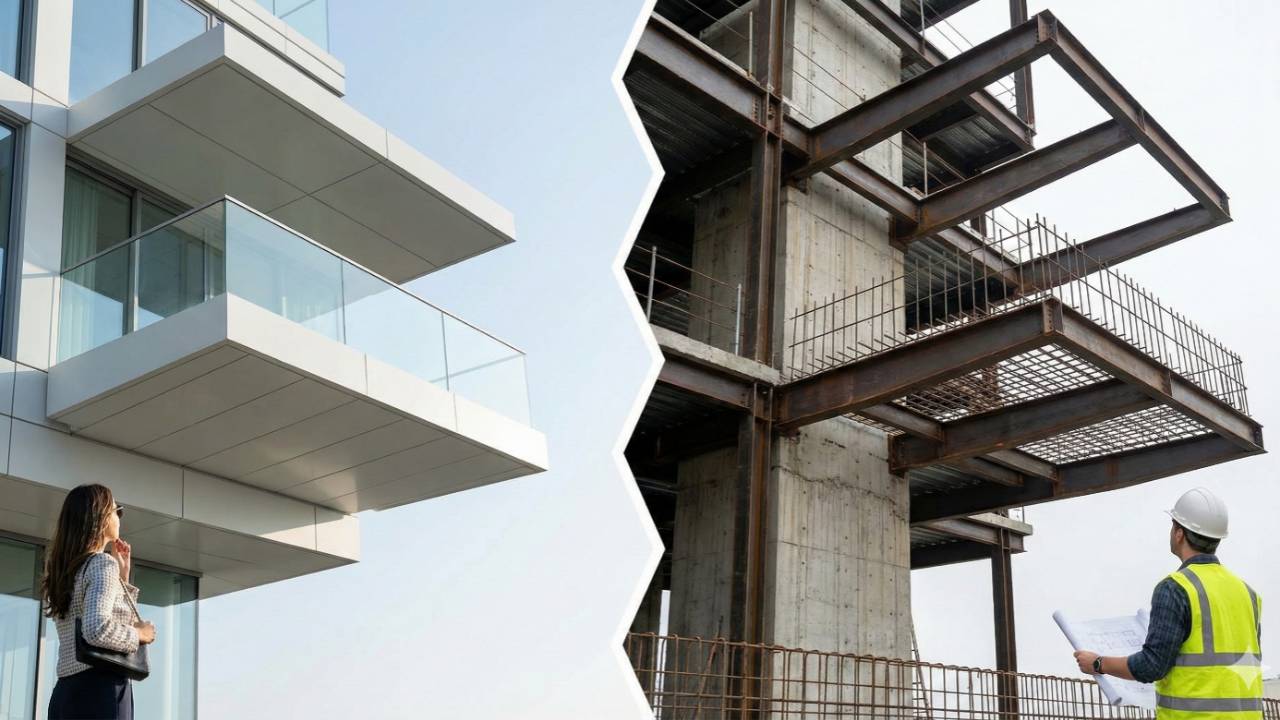
“From Function to Fashion: The Rise of Aesthetic Engineering ”
Discover how engineering has evolved from simply making buildings stand up to making them stand out. Explore the hidden pressures behind aesthetic design requests, what engineers wish clients understood, and the strategies that balance beauty with structural integrity.

“What Engineers Wish Clients Knew — How They Turn Fashion Into Function and Why CE is Important”
Engineers reveal the hidden truths behind clean ceilings, floating stairs, and glass façades — and how CE empowers them to turn ambitious design trends into safe, lasting structures.

“The “Thin Is In” Movement in Engineering”
Minimalist design looks effortless, but thin slabs and slender structures challenge engineers with deflection, fire resistance, vibration, and hidden coordination. Discover why “Thin Is In” keeps engineers awake at night.
Stay Current With Engineering CE Updates
Get quick updates on new CEU courses, state requirement changes, renewal reminders, and
helpful engineering learning tips — straight to your inbox!