
Architecture Unlimited Access – Annual Pass
Earn all the CEU credits you need with 12 months of unlimited access to every PDHhub Architecture course.
Annual Benefits
-
Unlimited access to all Architecture CEU courses for a full year
-
Courses on design, codes, materials, safety, and emerging trends
-
Study anytime, from anywhere, at your own pace
-
Automatic CE credit tracking inside your dashboard
-
Downloadable certificates for every completed class
-
One simple annual subscription for unlimited learning all year
Browse the complete library of available continuing education courses below.
Online Continuing Education Classes for Architects
PDHhub helps architects and landscape architects complete continuing education requirements through flexible, online learning. Courses cover a wide range of topics including building systems, codes, safety, accessibility, sustainability, materials, and professional practice.
Complete AIA Learning Units (LU), including Health, Safety, and Welfare (HSW) credits, through self-paced courses designed for busy licensed professionals — no classroom, no schedule conflicts, no per-course fees.
AIA Continuing Education Requirements
AIA Architect and International Associate members are required to complete 18 Learning Units (LUs) annually. Of those, 12 must be Health, Safety, and Welfare (HSW) credits.
PDHhub makes it easier to meet these requirements by giving you access to multiple eligible courses under one annual membership — no need to purchase each course individually.
Note: Requirements vary by state. Always confirm your specific state board requirements for license renewal.
BROWSE OUR CLASSES
Browse the available courses below. Full course descriptions follow.
A Firm Foundation
2 CE Hours
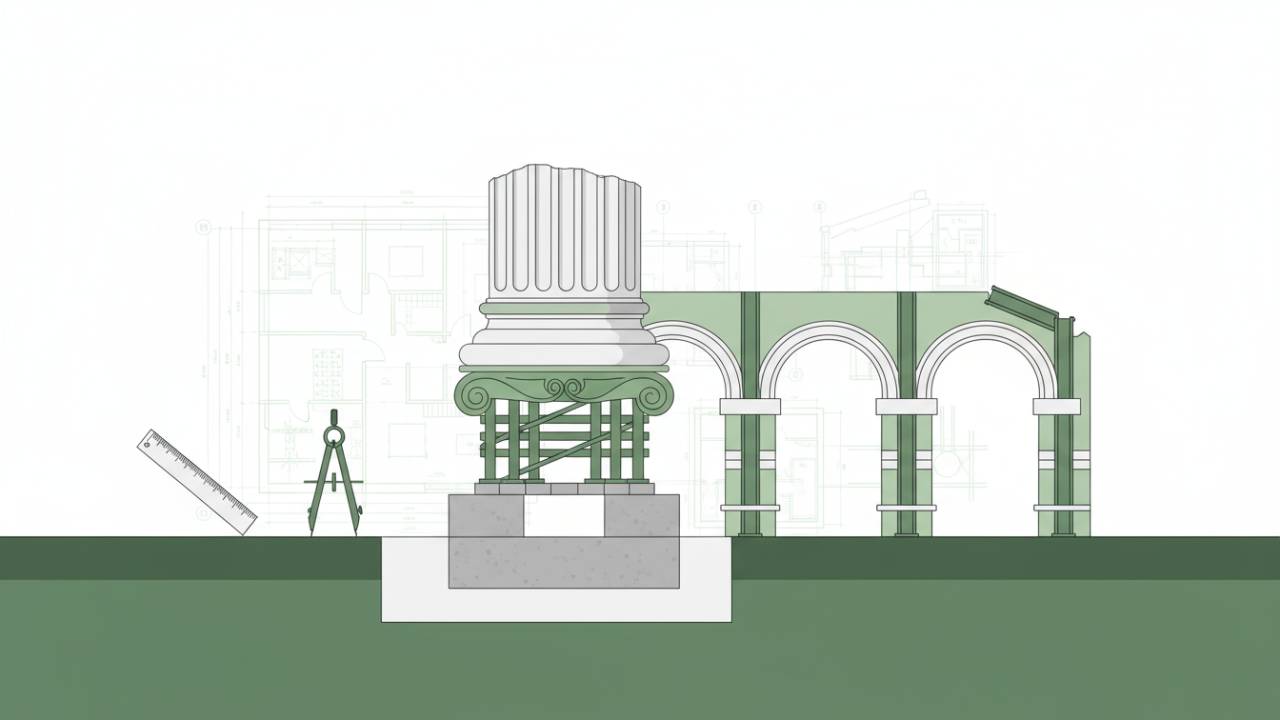
A Firm Foundation covers key concepts of foundation design, soil assessment, and structural stability needed to create safe, durable architectural groundwork.
A Paper Trail Through Risk
2 CE Hours
Architectural Risk Management: Master documentation, legal duties, and construction records for project protection, start to finish.
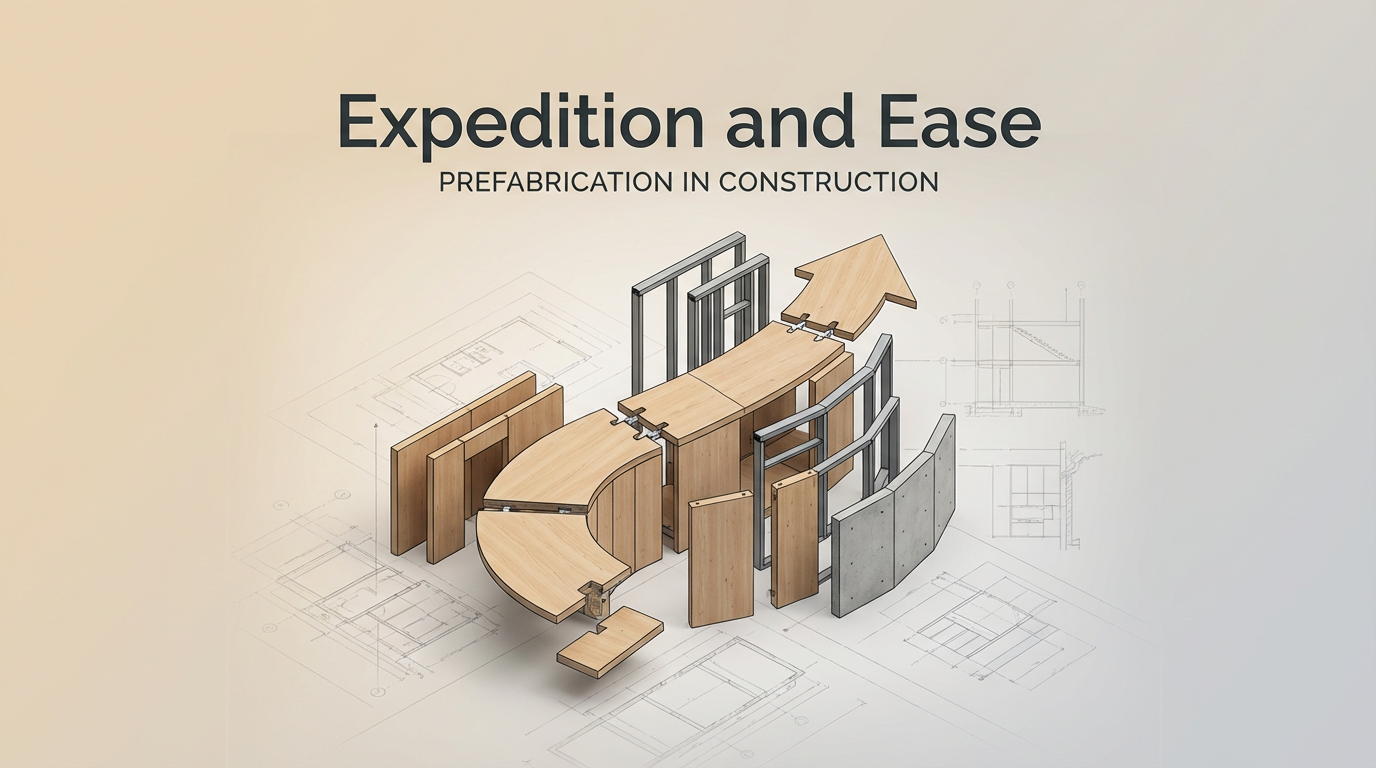
For Expedition and Ease
2 CE Hours
This course explores the rise of prefabrication in construction, its history, components, benefits, and challenges, from small assemblies to full building kits delivered on‑site.
Communicating with Seniors
1 CE Hour
Explore how biological, cognitive, and sensory factors affect communication with seniors, with practical techniques for empathy, clarity, and effective professional interactions.
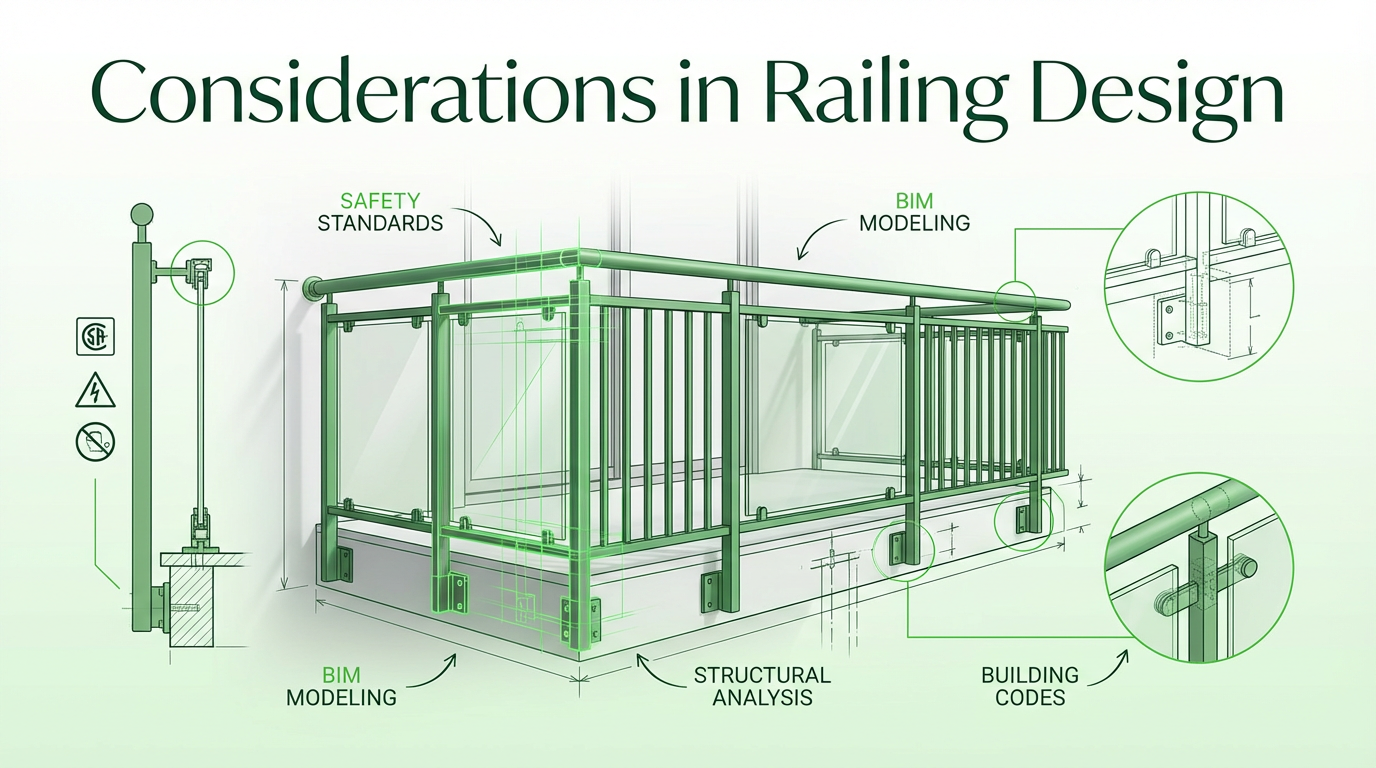
Considerations In Railing Design
3 CE Hours
Learn how balcony railings blend safety, design, and tech. Explore materials, regulations, and tools like BIM and CAD that shape modern skyscraper aesthetics and protect lives.
Construction Conflict Resolution
1 CE Hours
Conflicts in construction are inevitable, but preventive measures and careful detail reduce them. Architects, as decision-makers, resolve issues effectively, turning a burden into valuable asset.
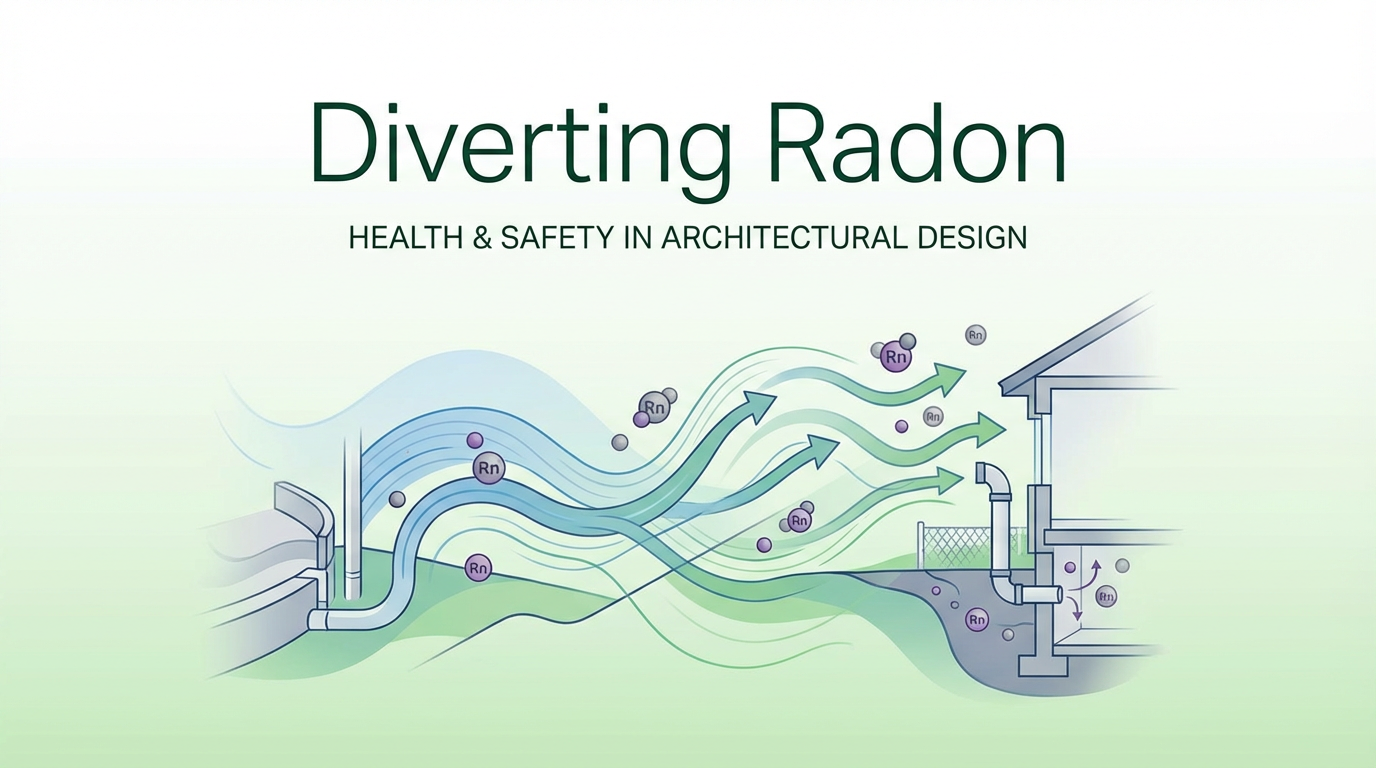
Diverting Radon
2 CE Hours
This course focuses on the health and safety challenges posed by radon gas in buildings and the architectural strategies used to mitigate its risks
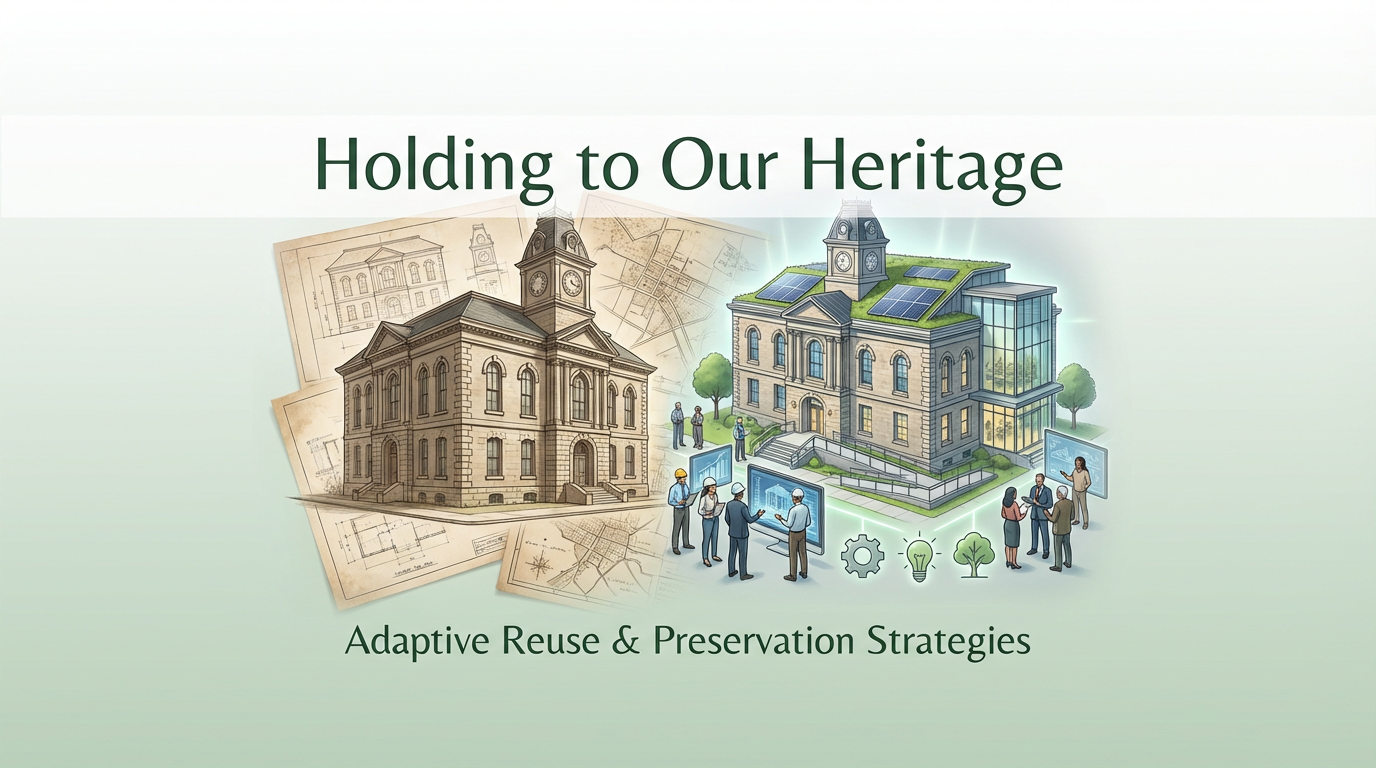
Holding to Our Heritage
3 CE Hours
Repurposing older buildings offers value beyond restoration. This course explores options, criteria, and collaboration to adapt structures for new uses, benefiting owners, buyers, and communities
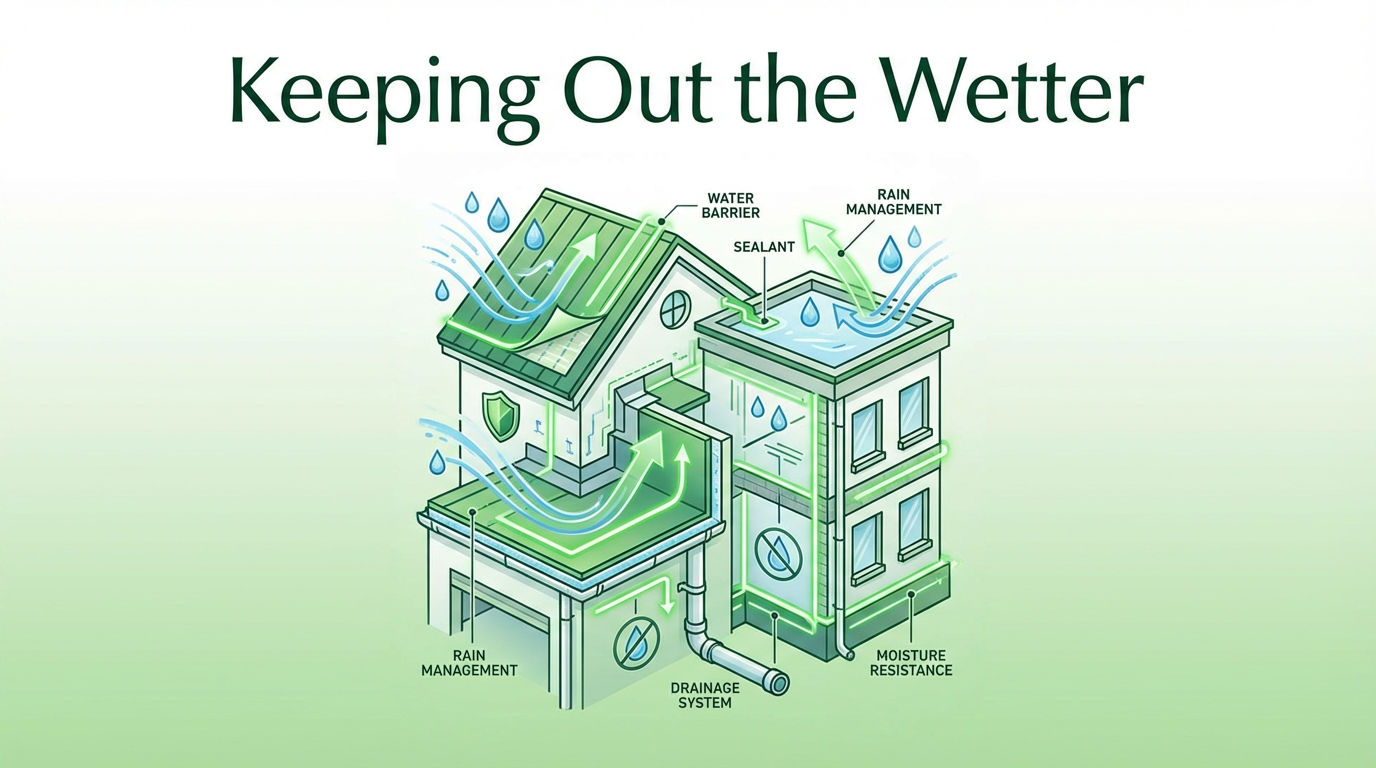
Keeping Out the Wetter - Designing to Exclude Water
4 CE Hours
This course explores moisture resistance in design, construction, and upkeep, teaching methods to prevent water damage and protect buildings and occupants from costly infiltration.
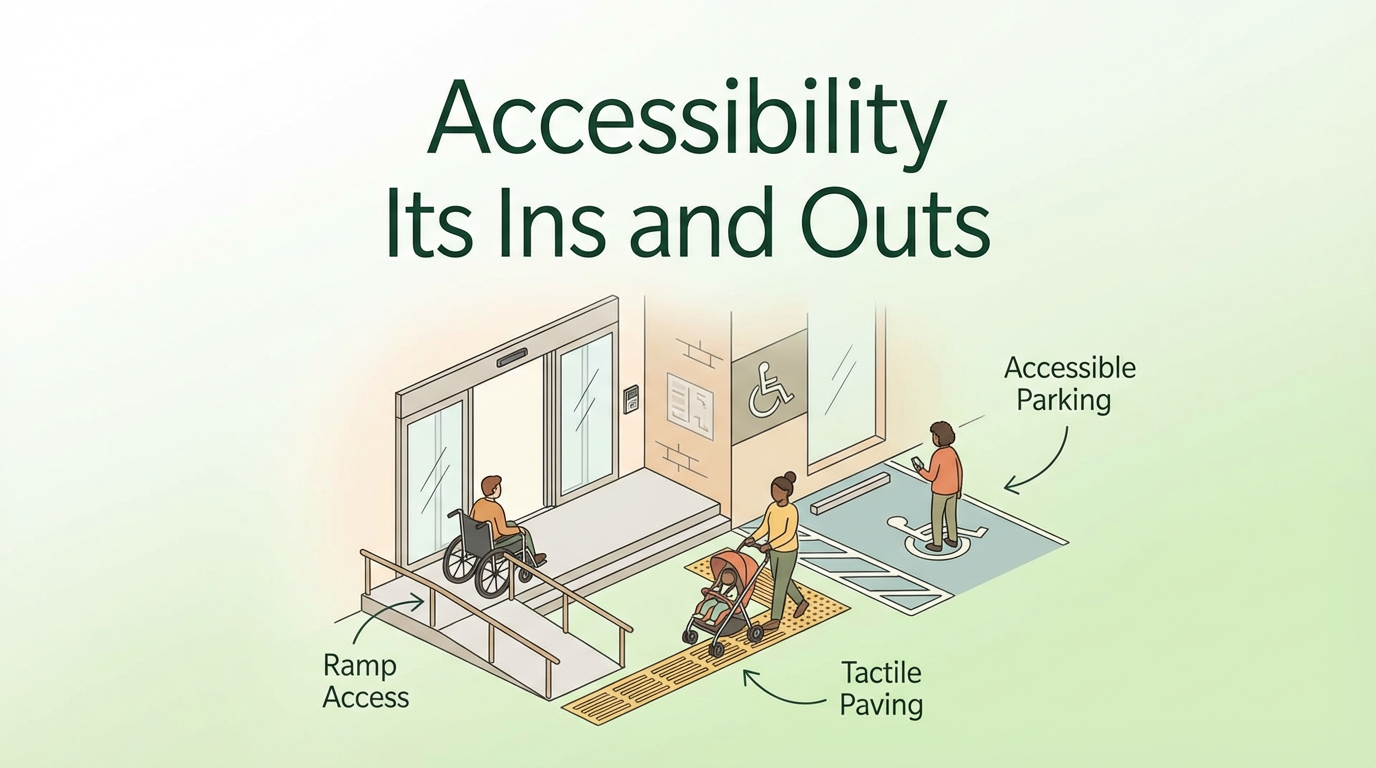
Accessibility – Its Ins and Outs
2 CE Hours
ADA ensures accessibility from parking to interior paths. This course focuses on enabling safe entry and exit for physically challenged occupants.
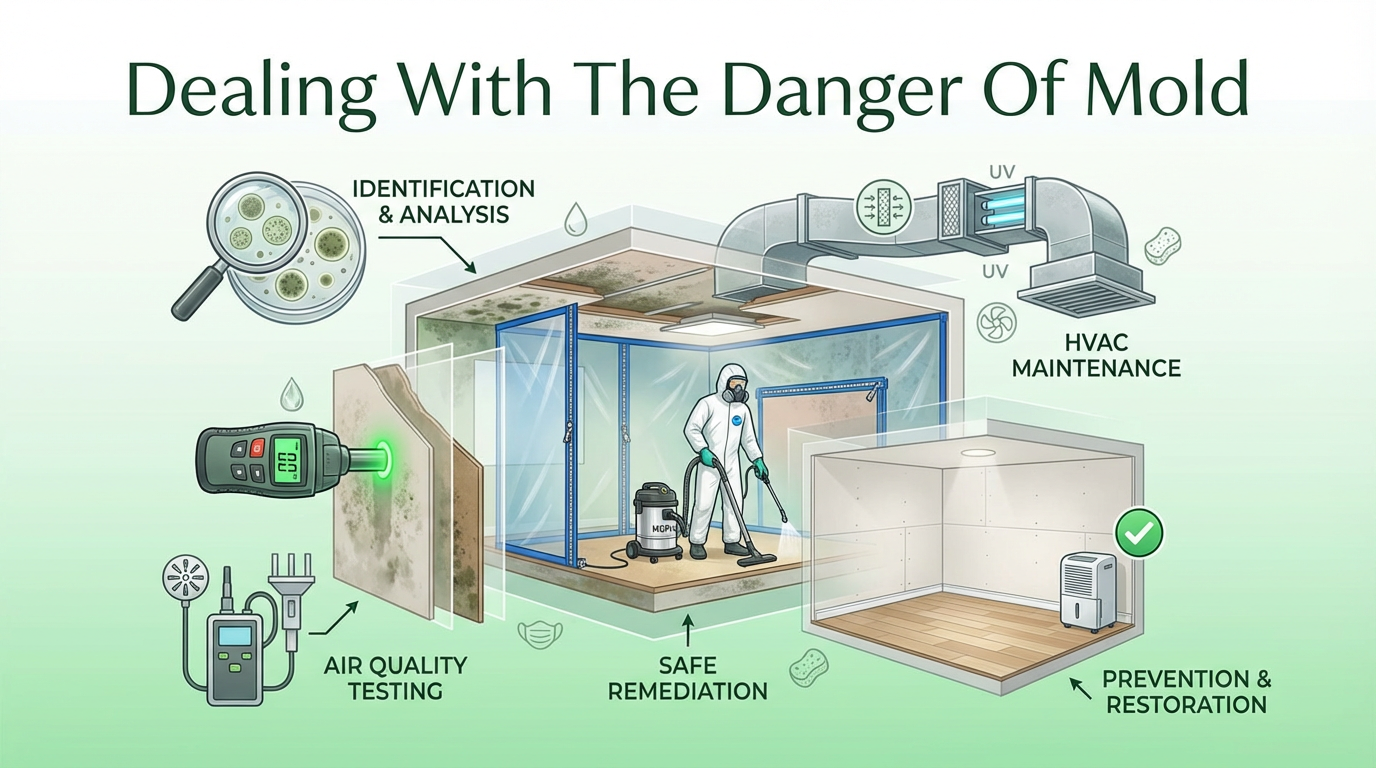
Dealing with the Danger of Mold
3 CE Hours
Learn methods to identify, prevent, and remediate mold in buildings. This 3‑hour CEU course covers causes, risks, and solutions to protect structures and occupants from damage and health hazards.
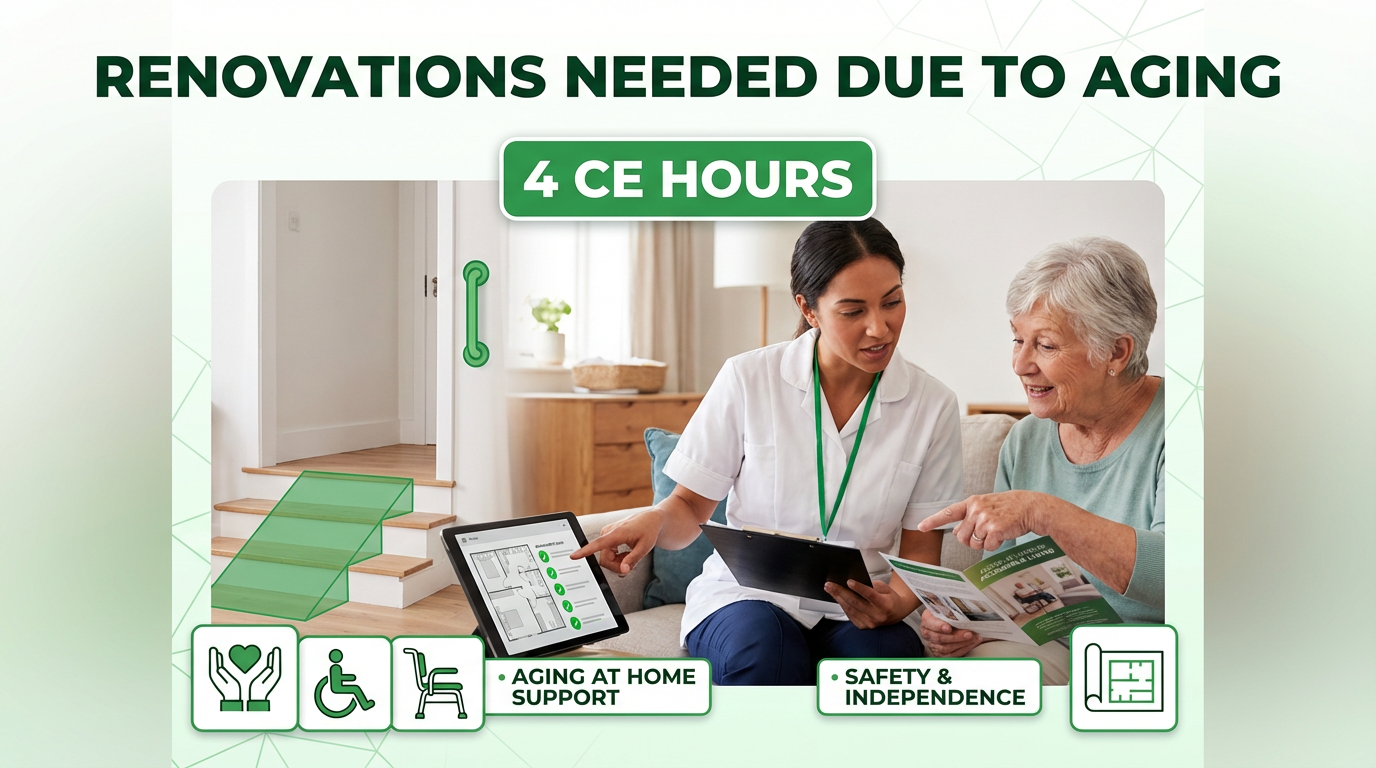
Renovations Needed Due to Aging
4 CE Hours
As people age, homes can feel like prisons—stairs and bathing become obstacles. Communal living provides care, yet most prefer to age at home. With research and modifications, independence is possible.
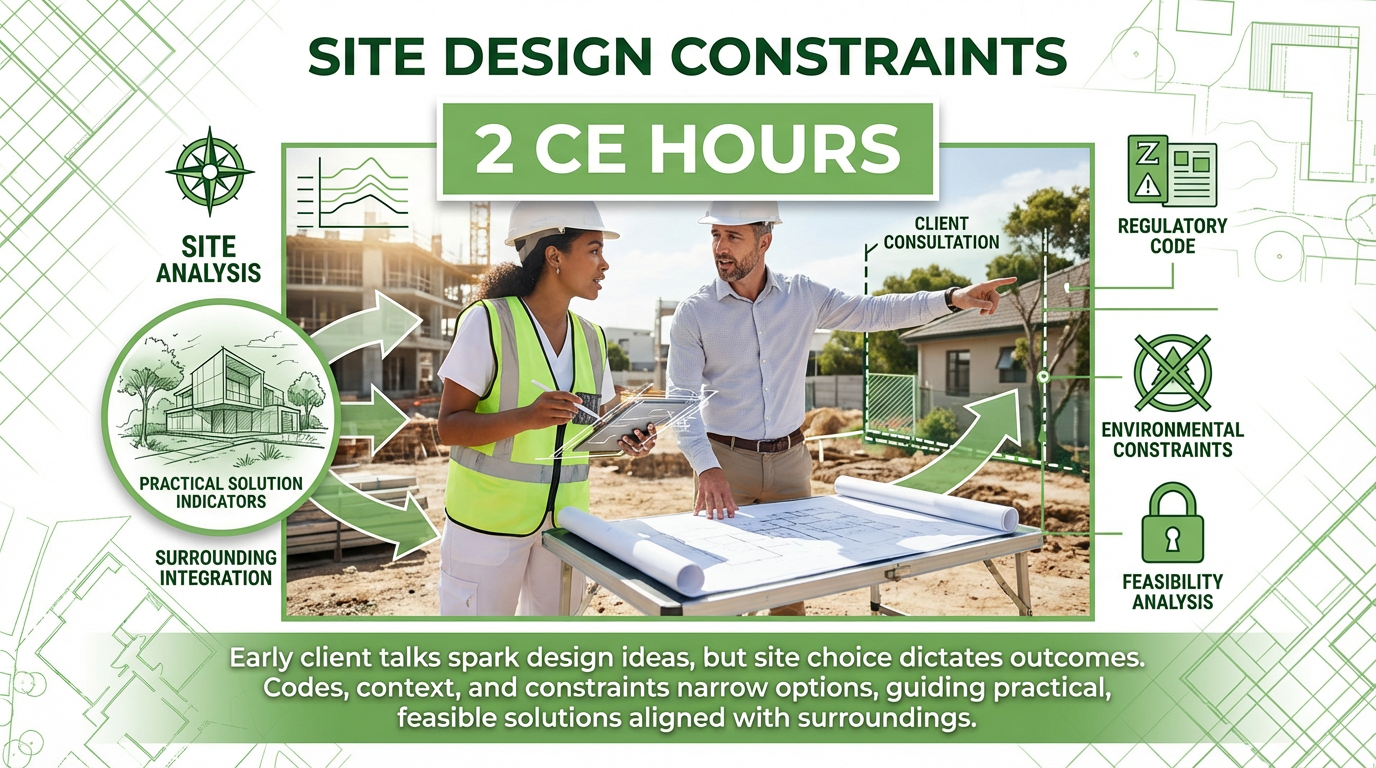
Site Design Constraints
2 CE Hours
Early client talks spark design ideas, but site choice dictates outcomes. Codes, context, and constraints narrow options, guiding practical, feasible solutions aligned with surroundings.
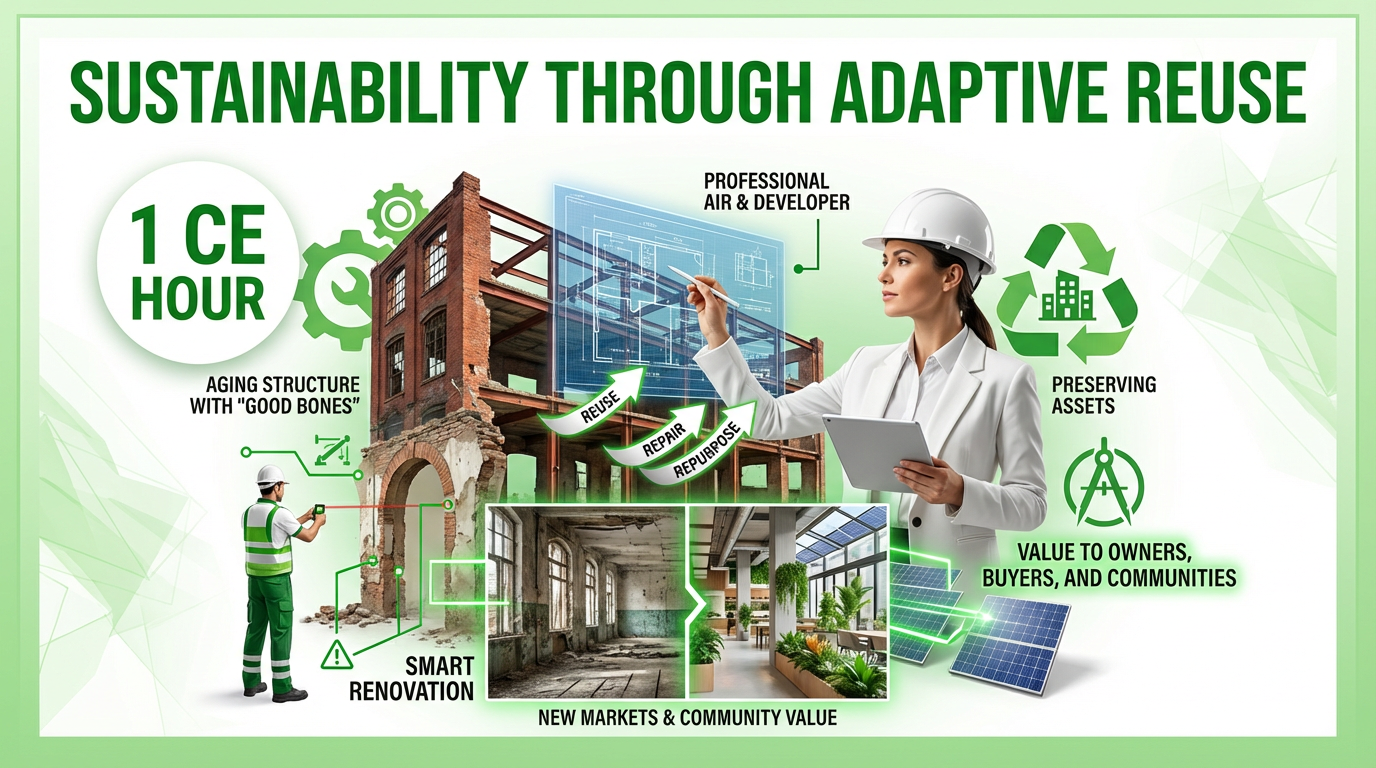
Sustainability Through Adaptive Reuse
1 CE Hour
Aging structures with “good bones” can be reused, repaired, or repurposed. Smart renovation adapts them to new markets, offering value to owners, buyers, and communities while preserving assets.
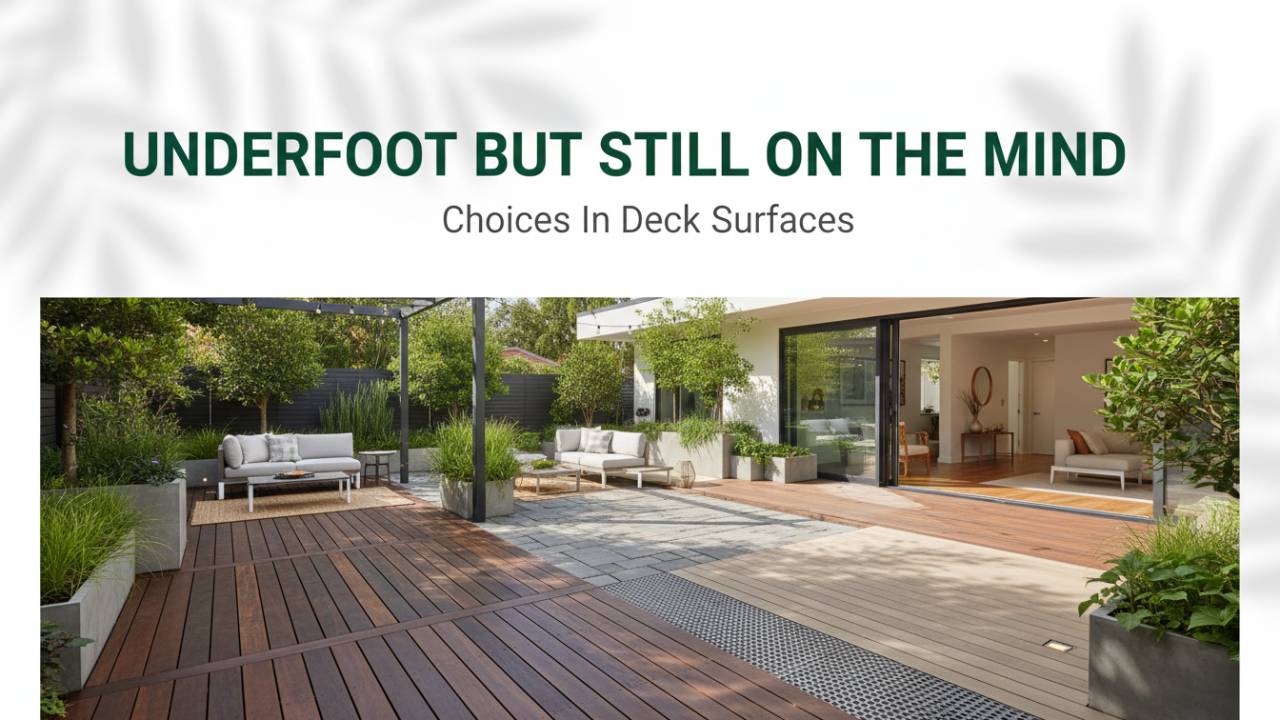
Underfoot But Still On The Mind: Choices In Deck Surfaces
3 CE Hours
Humans seek refuge from harsh elements yet yearn for nature. Outdoor spaces—decks, patios, balconies—blend home and environment, offering comfort, connection, and design choices for lasting enjoyment.
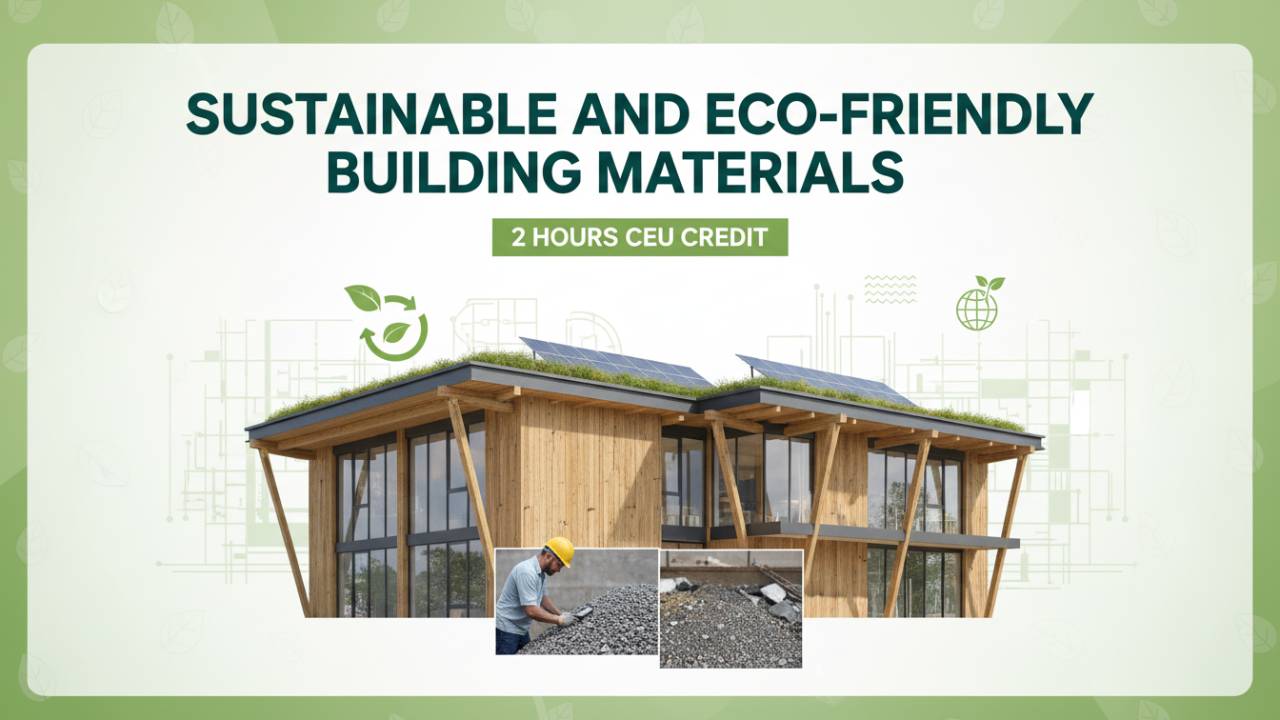
Sustainable and Eco-Friendly Building Materials
2 CE Hours
The construction industry is transforming as urbanization grows. Sustainable, eco‑friendly materials now shape responsible choices with lasting environmental, social, and economic impact.
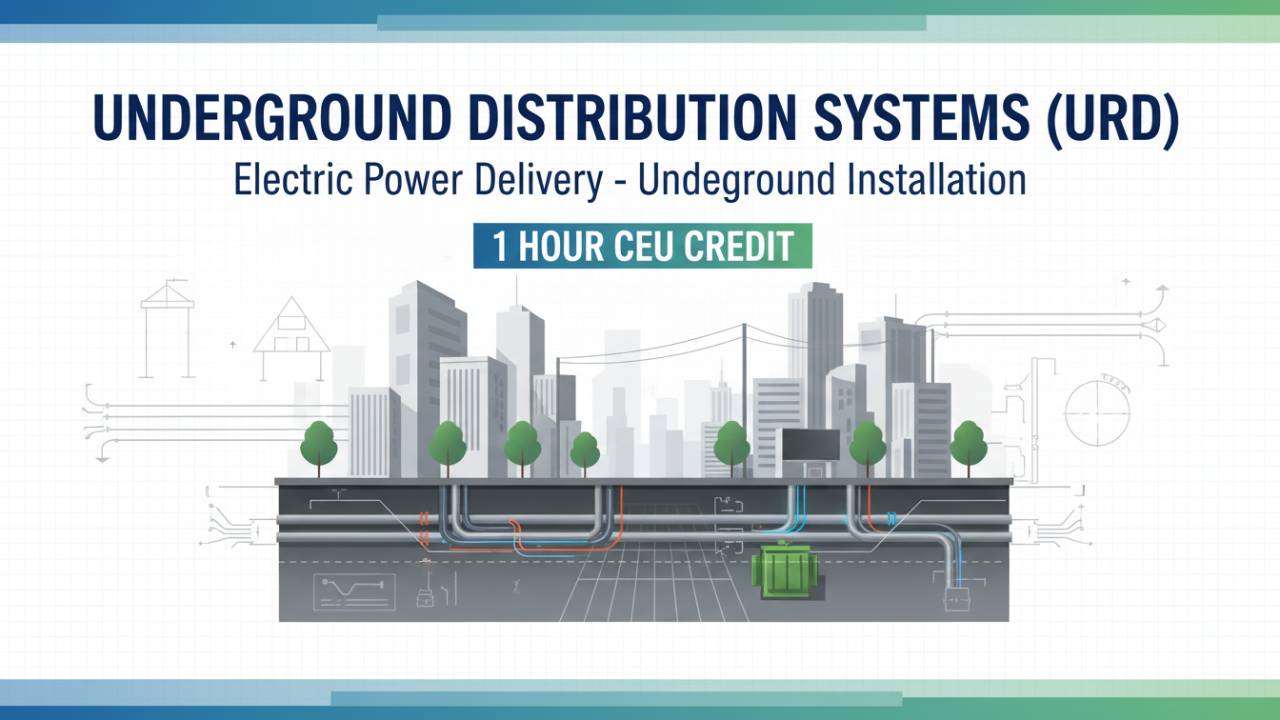
Electric Power Delivery-Underground Installation
1 CE Hour
This CE course equips electrical engineers and utility professionals with foundational knowledge of Underground Residential Distribution (URD) systems. It emphasizes system types, equipment, cable terminations, installation methods, and inspection procedures, preparing participants to design, maintain, and troubleshoot underground electrical infrastructure.
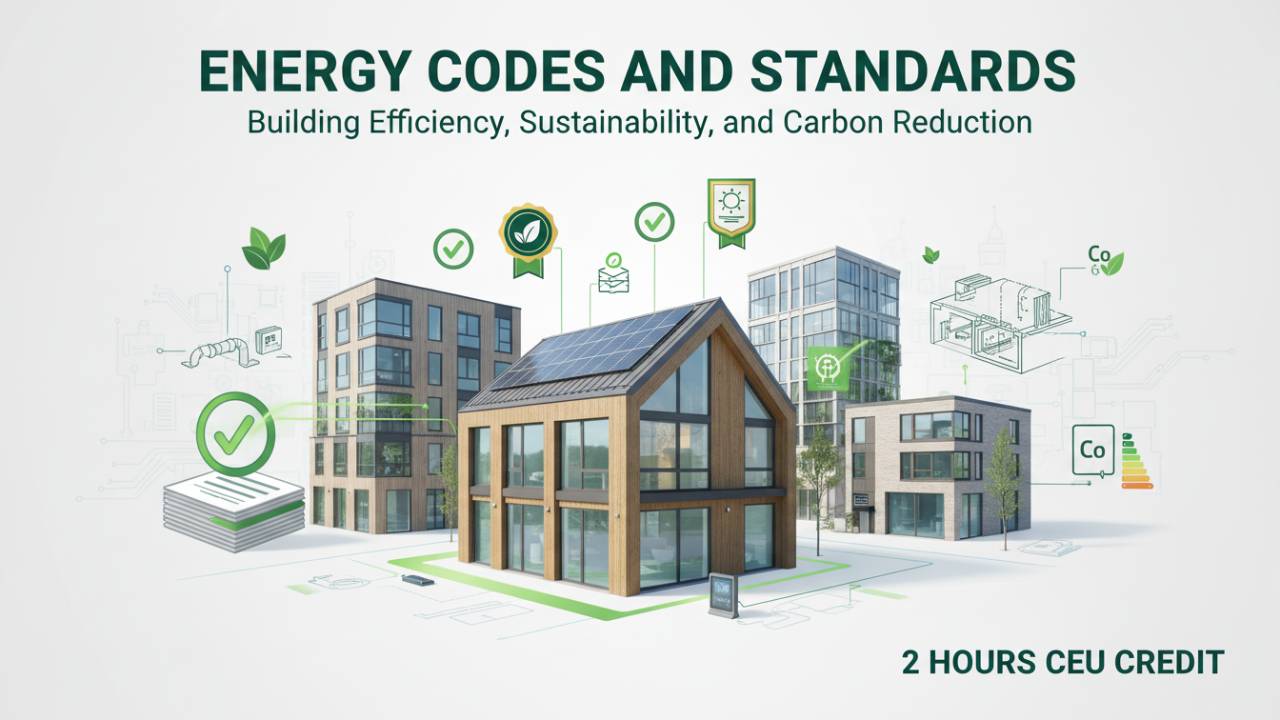
Energy Codes and Standards
2 CE Hours
Energy codes guide building efficiency, sustainability, and carbon reduction. They set standards for insulation, HVAC, lighting, and materials, driving innovation while shaping a sustainable future.
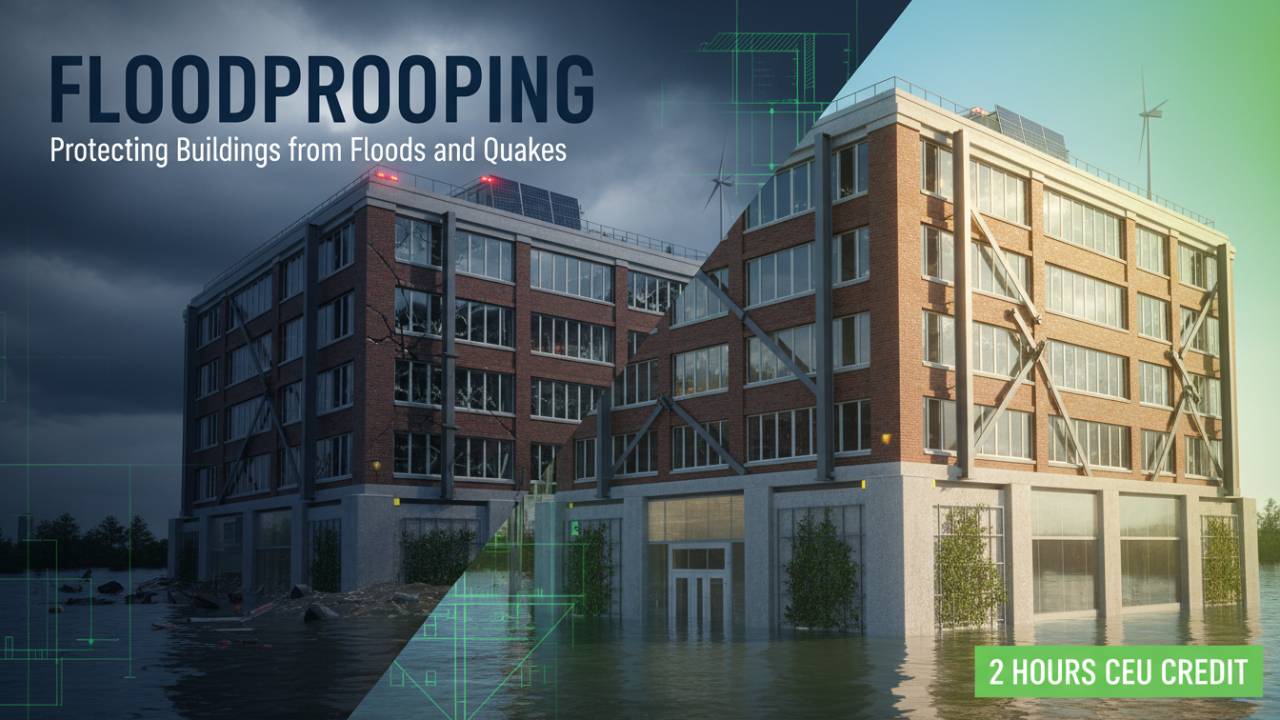
Floodproofing
2 CE Hours
Floodproofing and retrofitting strengthen buildings, save lives, cut losses, preserve communities, and support sustainable development in flood‑prone areas.

Alternative Energy
2 CE Hours
Climate change drives a shift to alternative energy. Solar, wind, geothermal, and marine sources cut emissions, reduce pollution, and support sustainability, unlike coal and other traditional fuels.
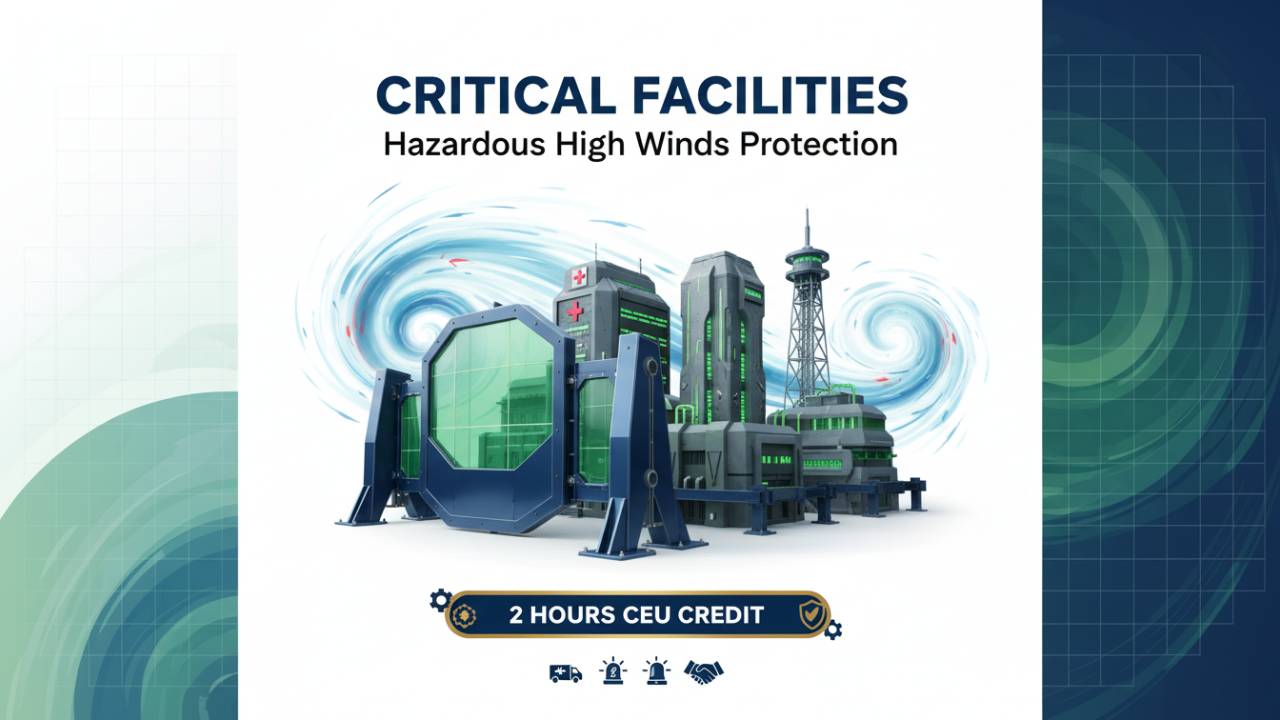
Critical Facilities- Hazardous High Winds
2 CE Hours
Critical facilities sustain society, delivering vital services during crises. Safety, preparedness, and cooperation are essential to protect them from high winds and disasters, ensuring resilience.
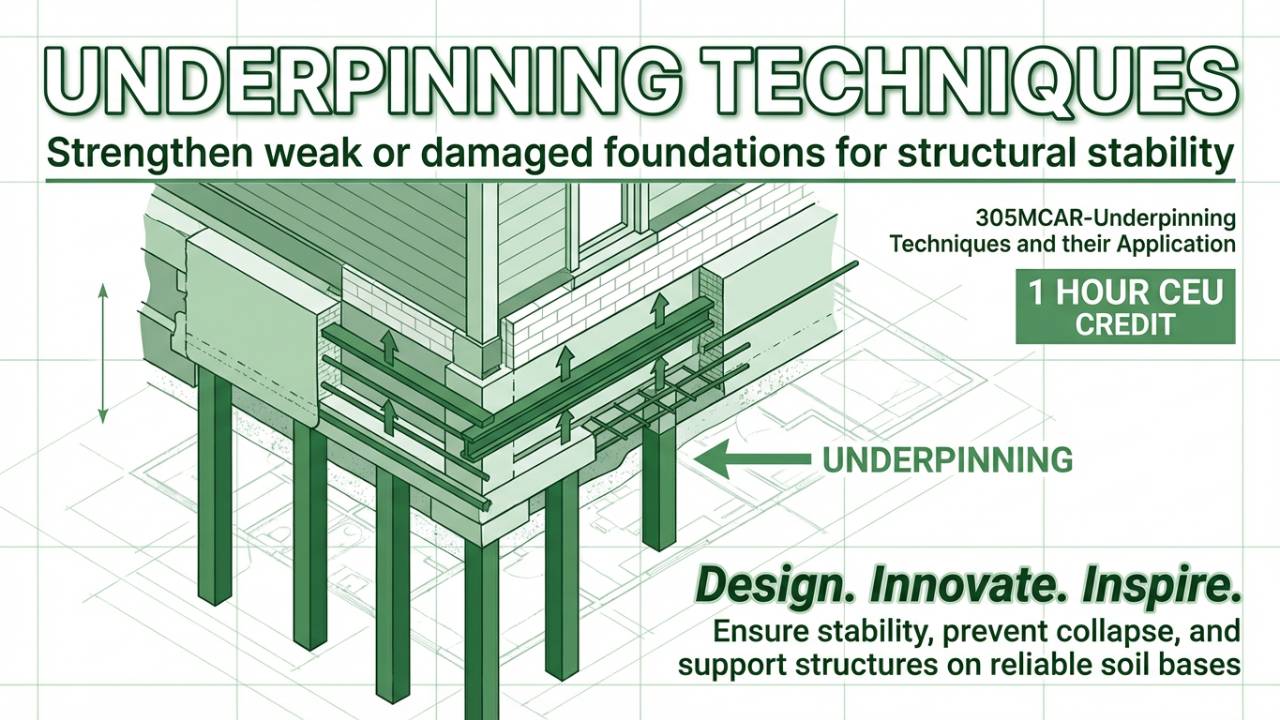
Underpinning Techniques and Their Application
1 CE Hour
Underpinning strengthens weak or damaged foundations by deepening and reinforcing them, ensuring stability, preventing collapse, and supporting structures on more reliable soil bases.

Urban Island Heat Effect
2 CE Hours
The Urban Heat Island effect creates hotter city microclimates, impacting health and the environment, and highlighting the need for sustainable urban planning and engineering solutions.
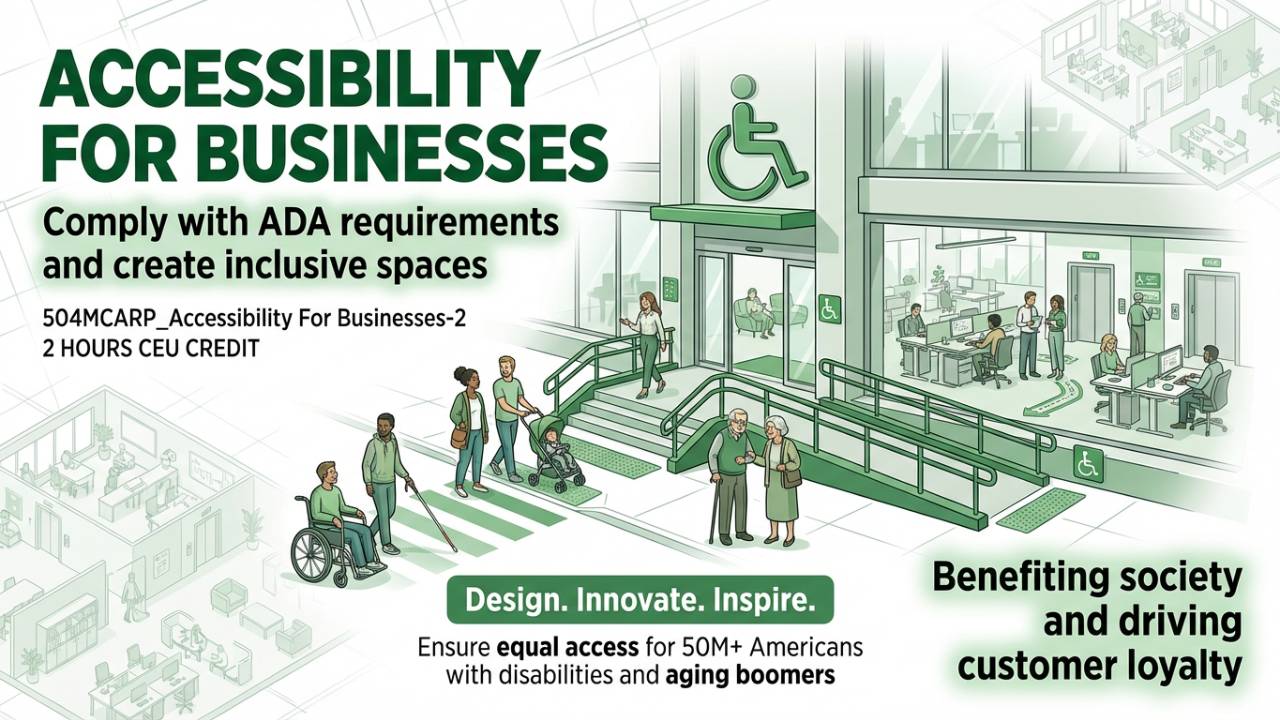
Accessibility For Businesses
2 CE Hours
The ADA ensures equal access for 50M+ Americans with disabilities and aging boomers, requiring businesses to provide accessible services, benefiting society and driving customer loyalty.
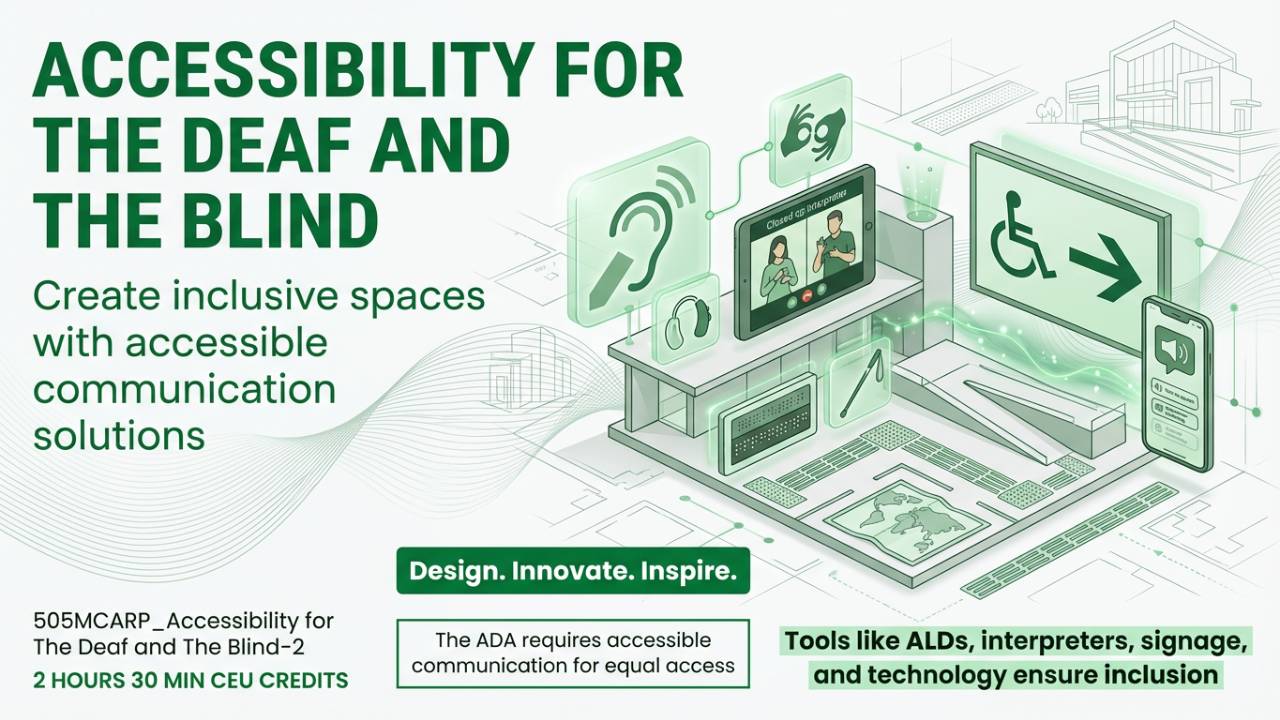
Accessibility for The Deaf and The Blind
2 1/2 CE Hours
The ADA requires accessible communication. Tools like ALDs, interpreters, signage, and tech aid people with hearing or vision loss, ensuring inclusion and equal access.
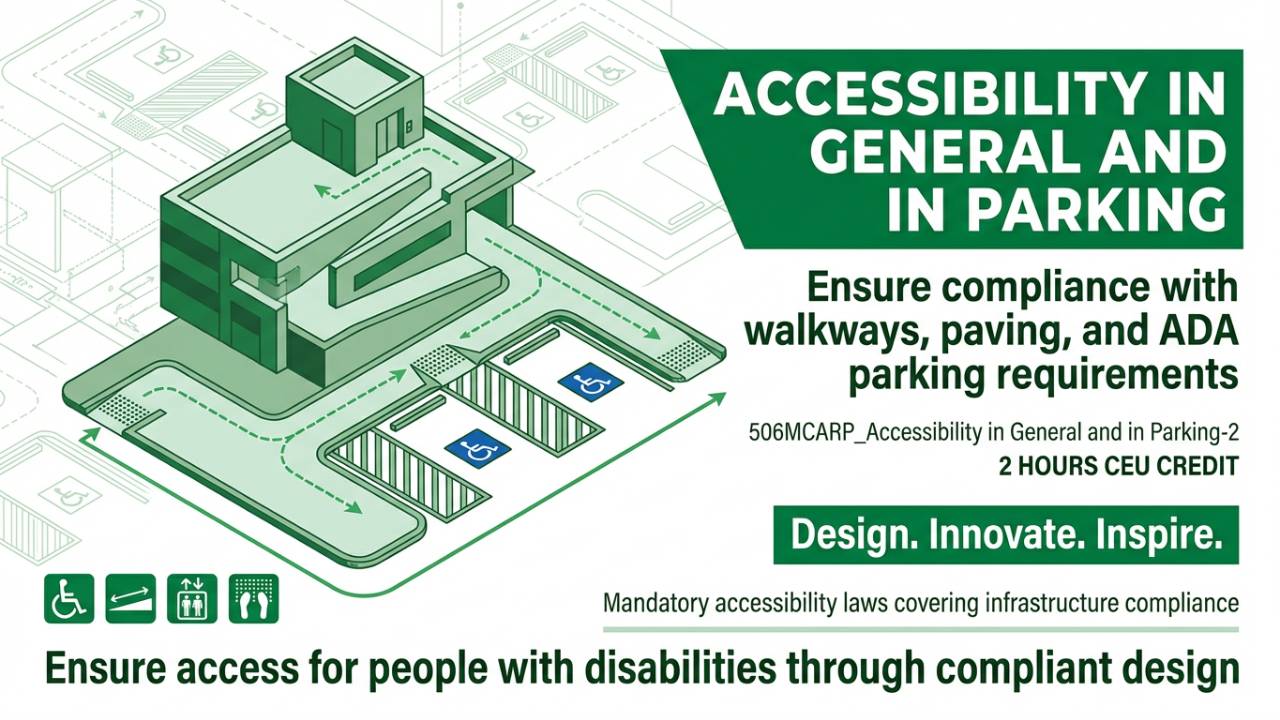
Accessibility in General and in Parking
2 CE Hours
This CE course equips architects, engineers, and facility managers with knowledge of accessibility laws and standards, focusing on general ADA requirements and specific compliance in parking areas for both public and private facilities.
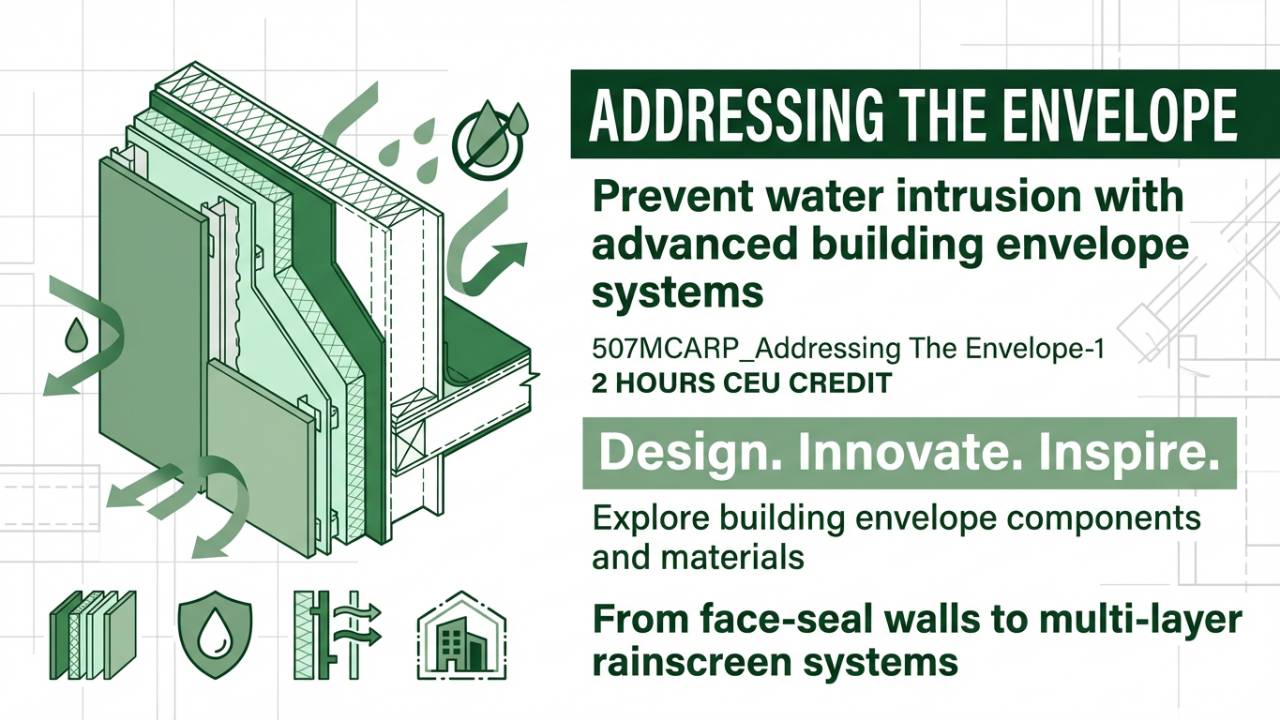
Addressing The Envelope
2 CE Hours
This course explores building envelope components and materials that prevent water intrusion, from face‑seal walls to multi‑layer rainscreen systems, ensuring durable protection.
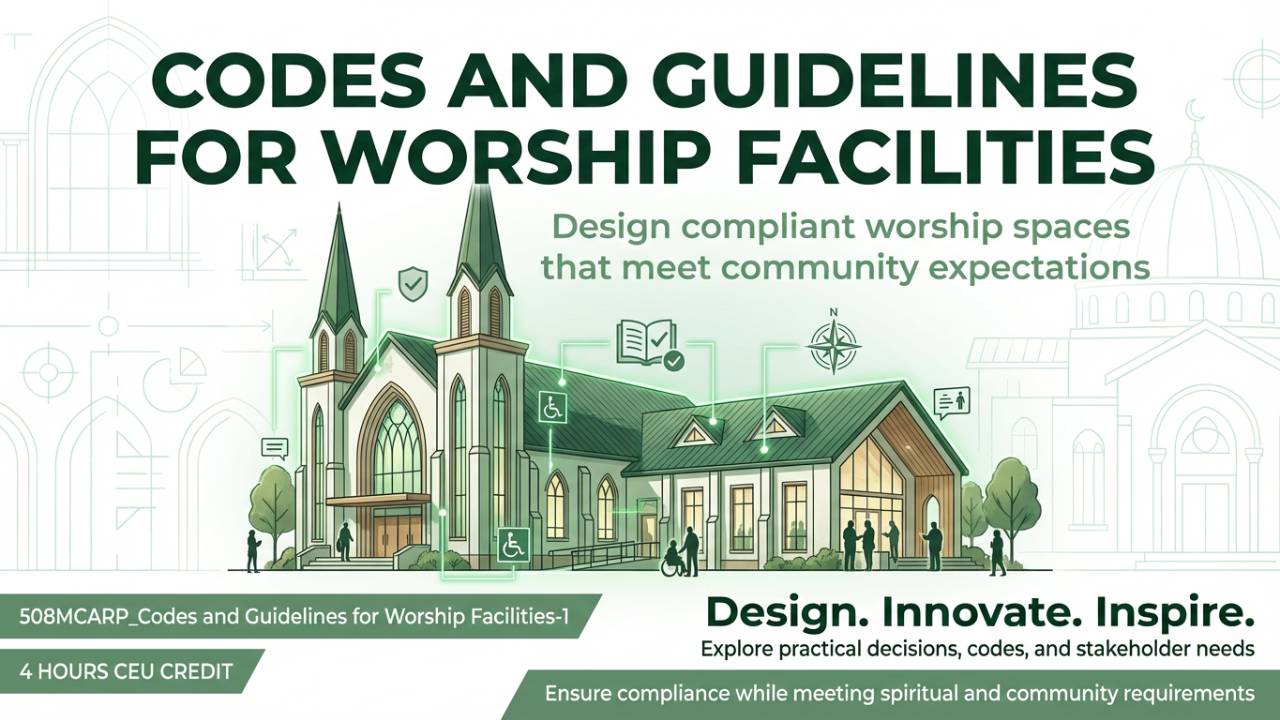
Codes and Guidelines for Worship Facilities
4 CE Hours
This course explores the many practical decisions, codes, site limits, and stakeholder needs involved in designing worship facilities, ensuring compliance and meeting community expectations.
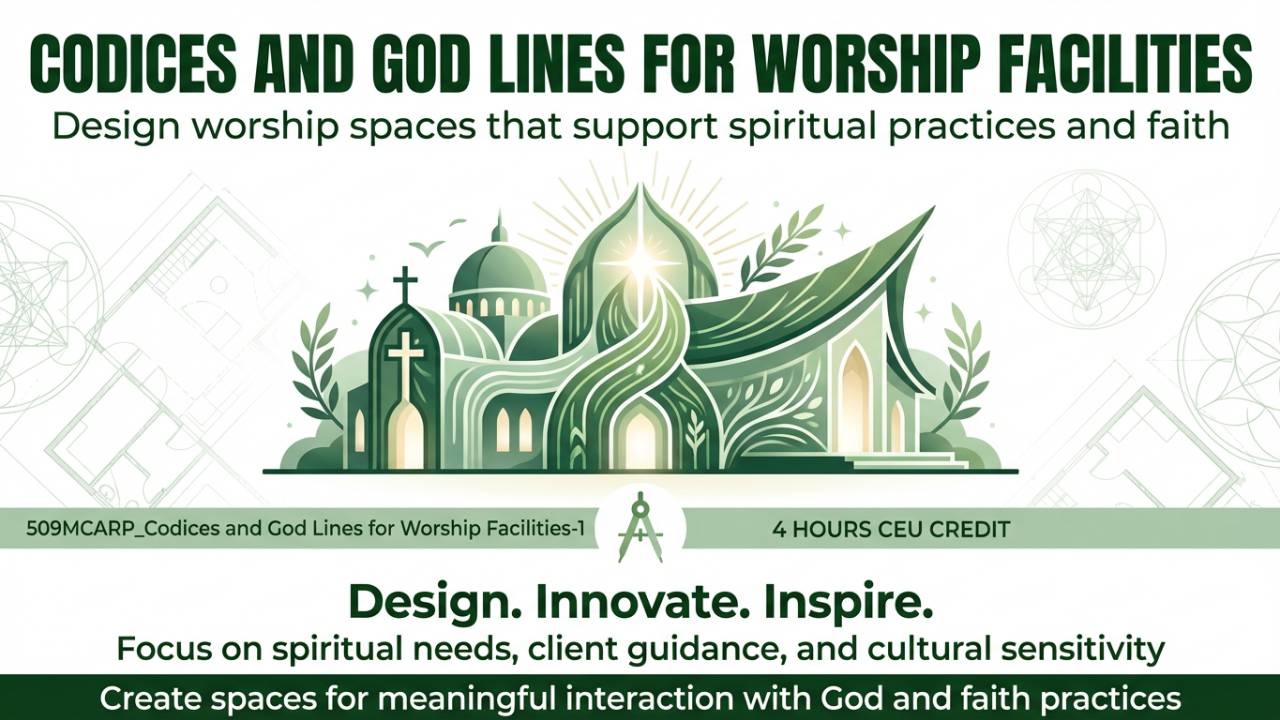
Codices and God Lines for Worship Facilities
4 CE Hours
This course explores worship facility design focused on spiritual needs, client guidance, and cultural sensitivity to create spaces that support faith practices and meaningful interaction with God.
Guidelines for Ethical Decisions
2 CE Hours
This course explores ethics in construction, guiding architects, engineers, and contractors with principles, standards, and rules to ensure integrity, compliance, and sound professional decisions.
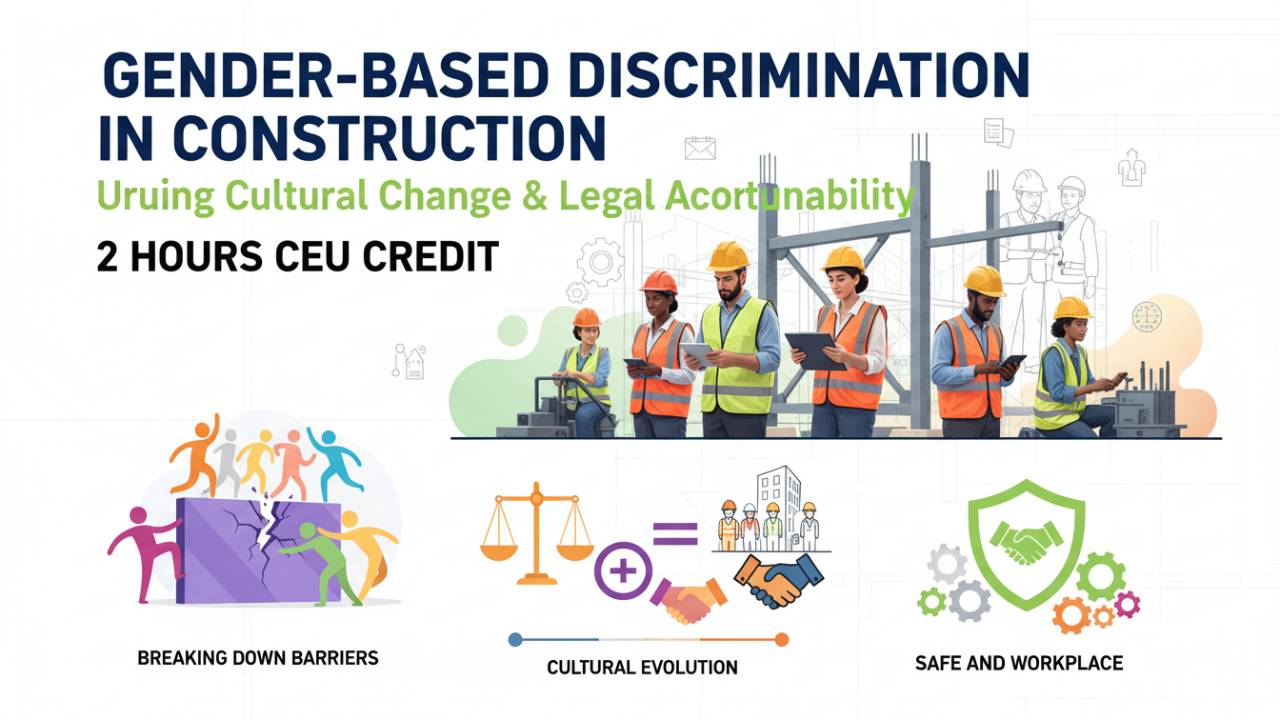
Harassment In Construction Trades
2 CE Hours
This course examines gender‑based discrimination in construction, urging cultural change and legal accountability to ensure safe, respectful workplaces and protect future professionals.
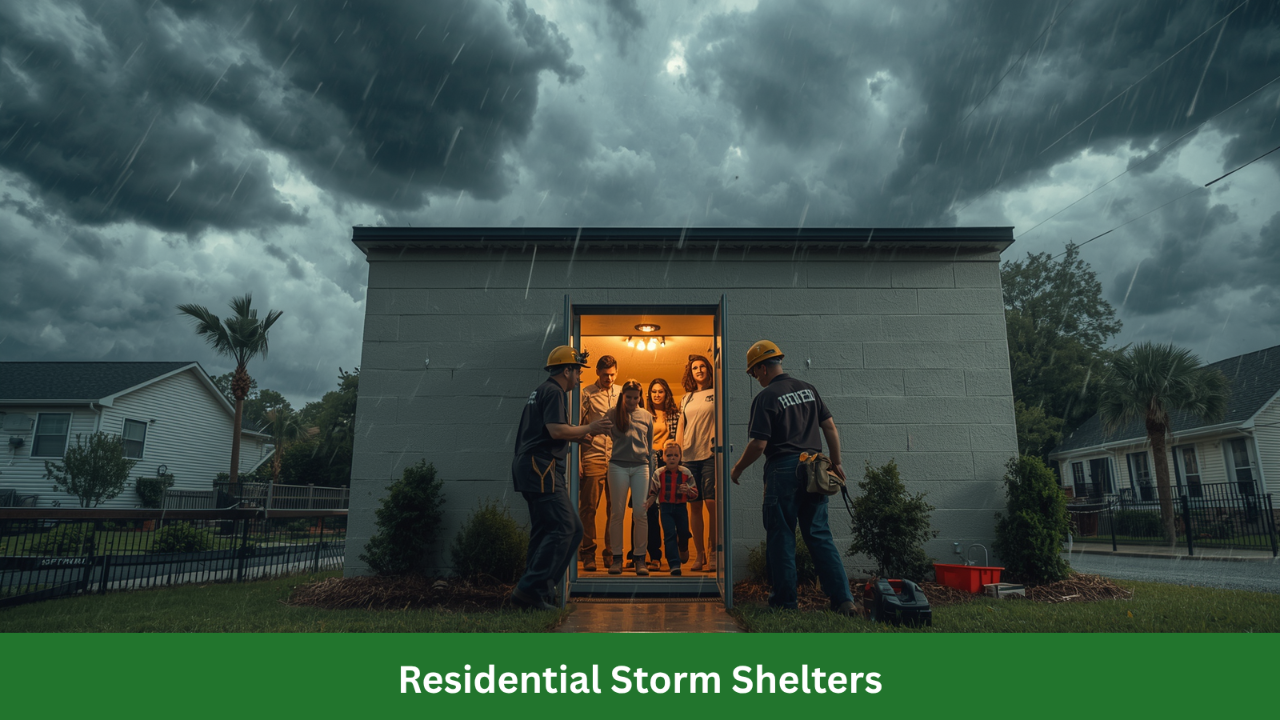
Residential Storm Shelters
1 CE Hour
Residential storm shelters protect families from hurricanes and tornadoes by withstanding extreme winds and debris, offering safe refuge during severe weather emergencies.
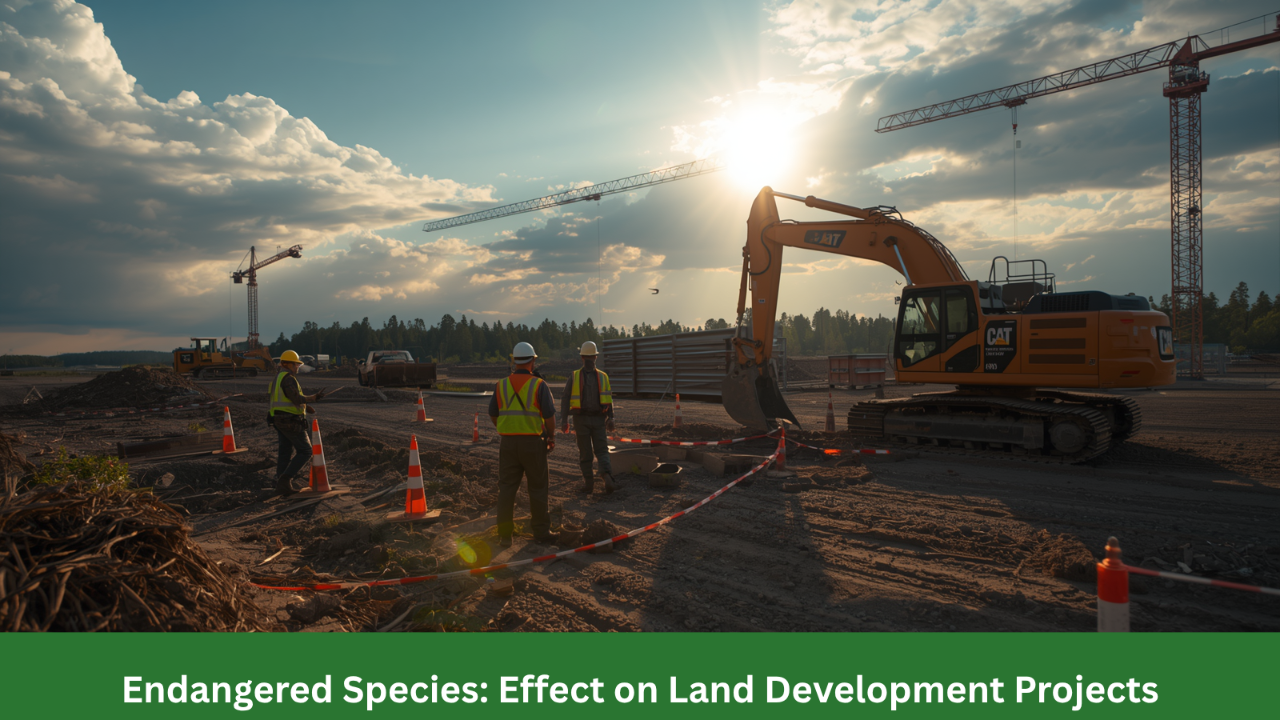
Endangered Species Act - Effect on Land Development Projects
1 CE Hour
Land development projects can be delayed if they threaten endangered species or habitats protected under the ESA. Developers must assess environmental impacts and comply with EPA regulations.
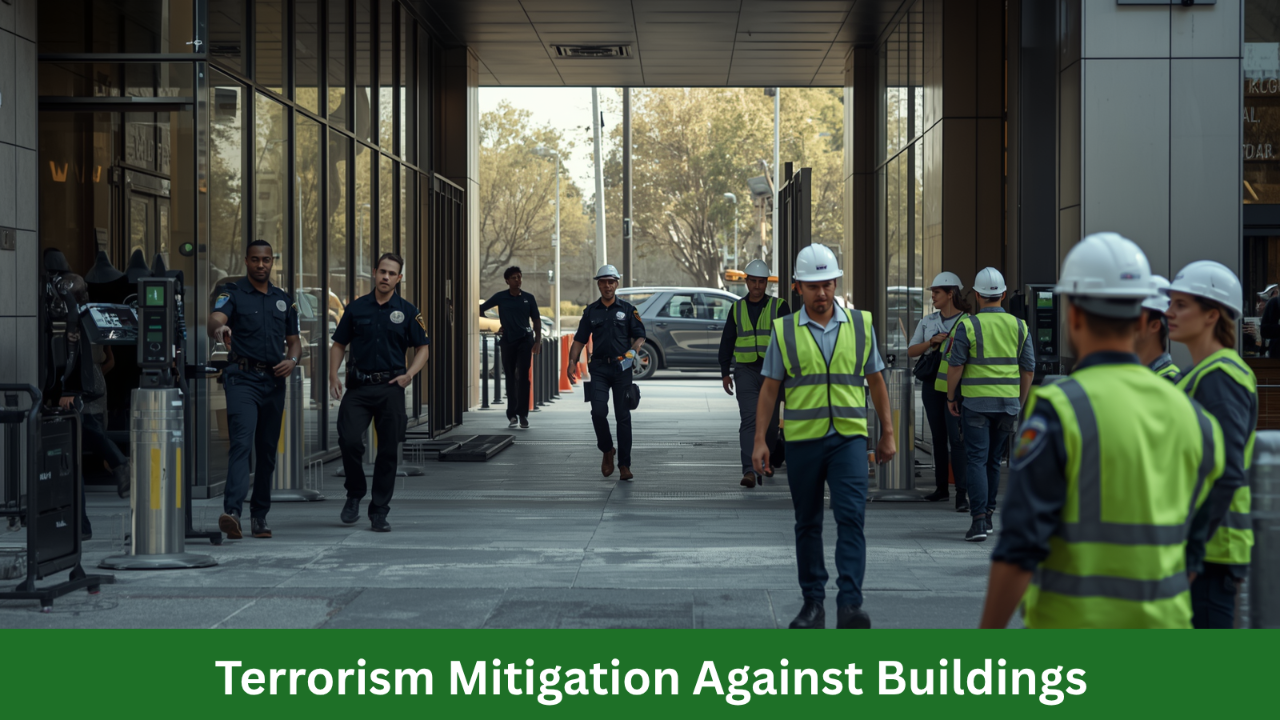
Terrorism Mitigation in Buildings
3 CE Hours
Terrorism mitigation in buildings focuses on protecting occupants through strategic site planning, controlled access, physical barriers, blast-resistant materials, and advanced security technologies.
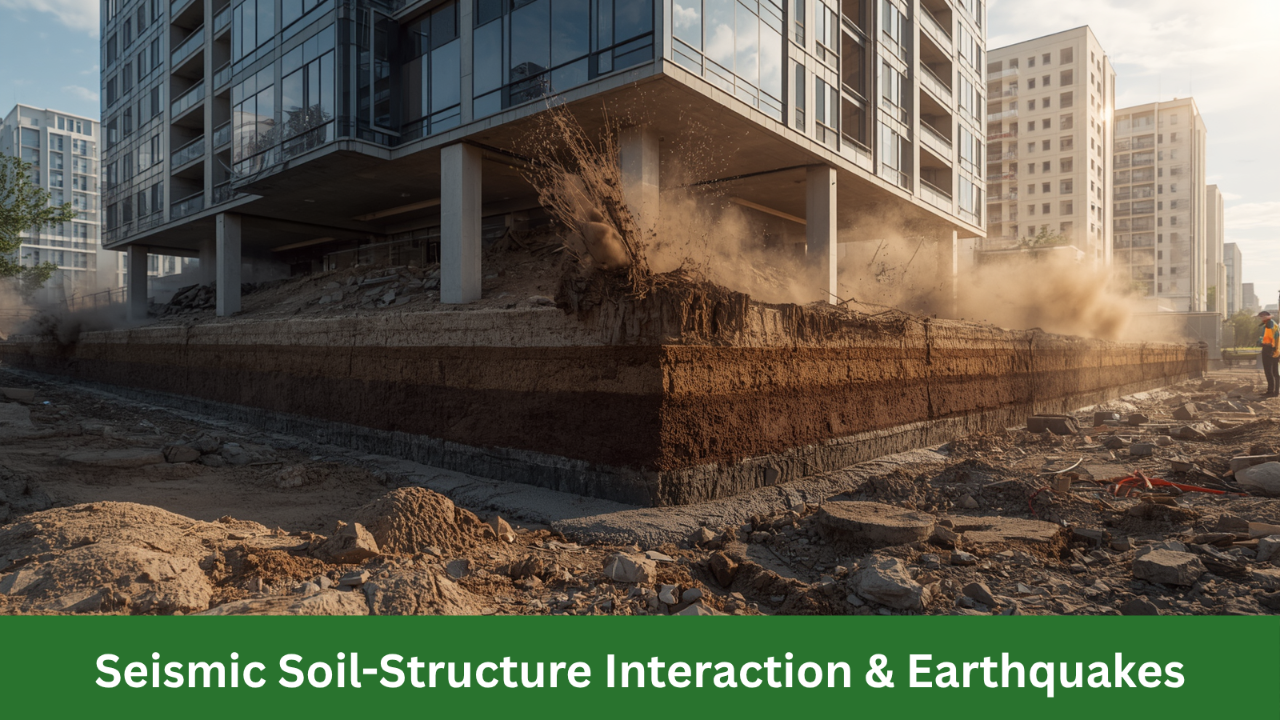
Seismic Soil Structure Interaction & Earthquakes
2 CE Hours
Soil-Structure Interaction (SSI) examines how soil and structures influence each other during loads or earthquakes, helping engineers design safer, more resilient structures.
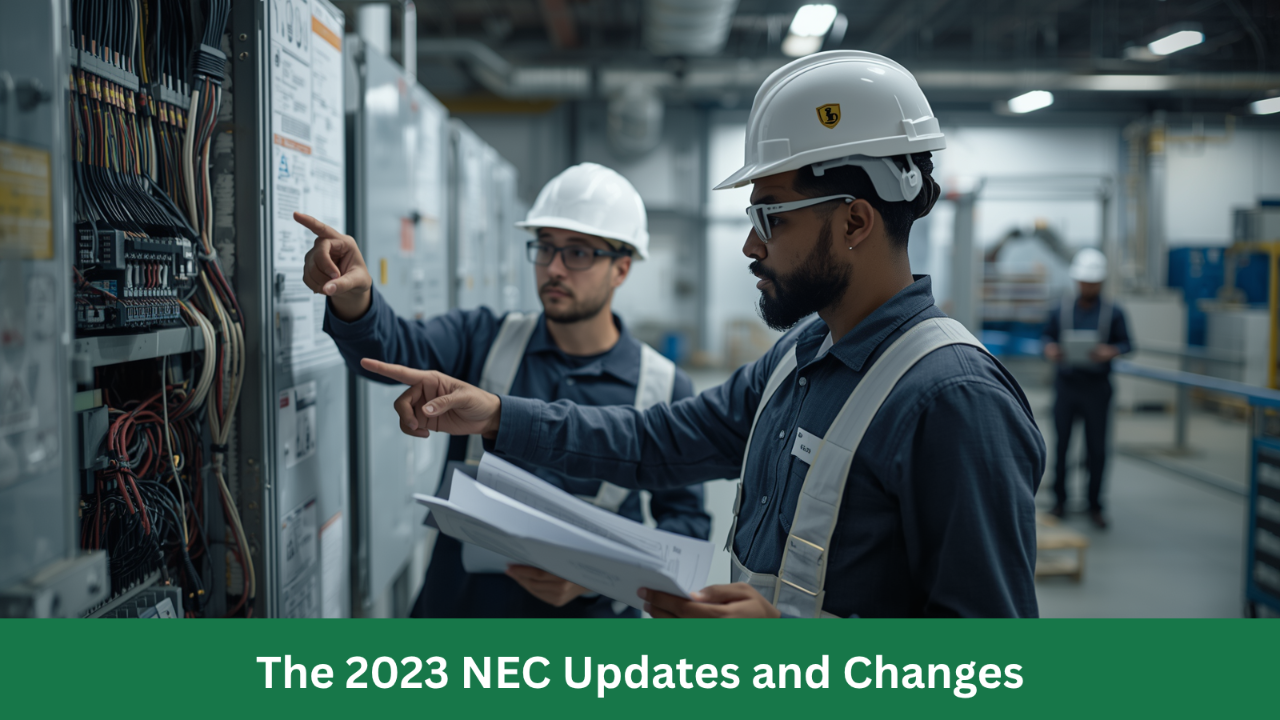
The 2023 NEC Updates and Changes
4 CE Hours
The 2023 NEC updates introduce new electrical safety standards, technologies, and installation requirements, helping professionals maintain compliance and improve system reliability.
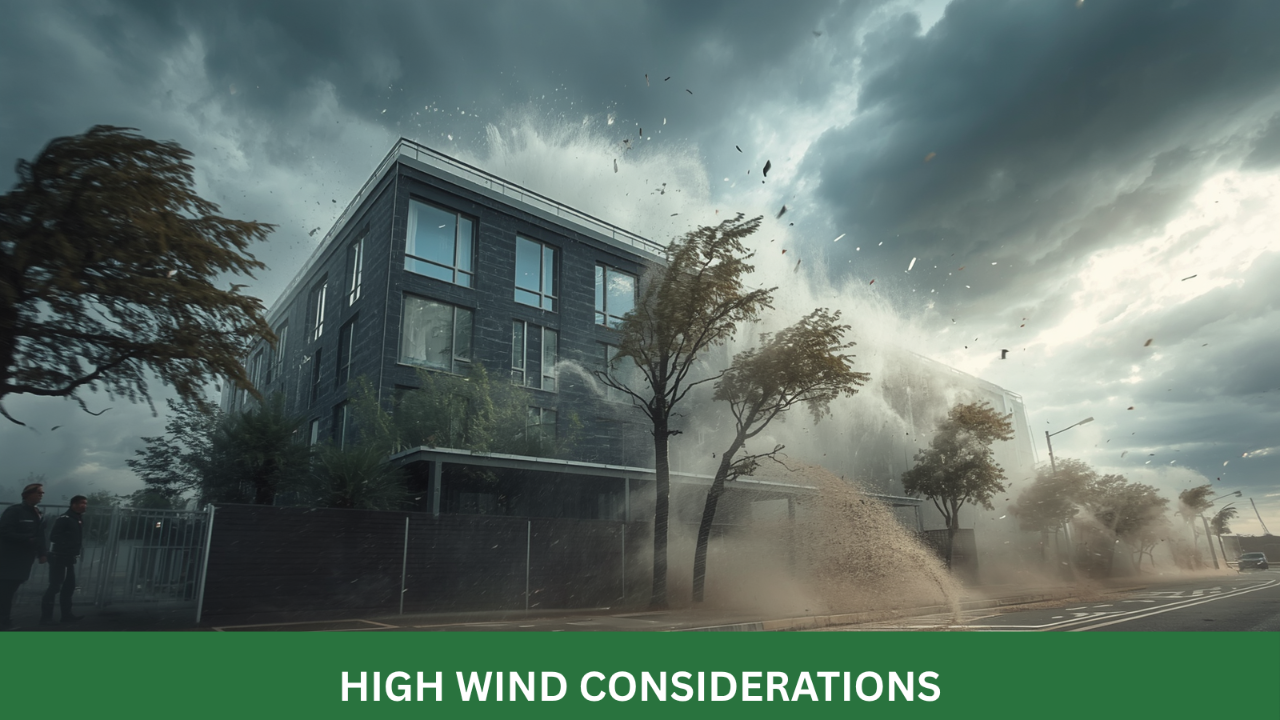
High Wind Considerations
2 CE Hours
High wind design focuses on protecting buildings from hurricanes, tornadoes, and severe storms through careful analysis, resilient construction methods, and wind-load mitigation strategies.
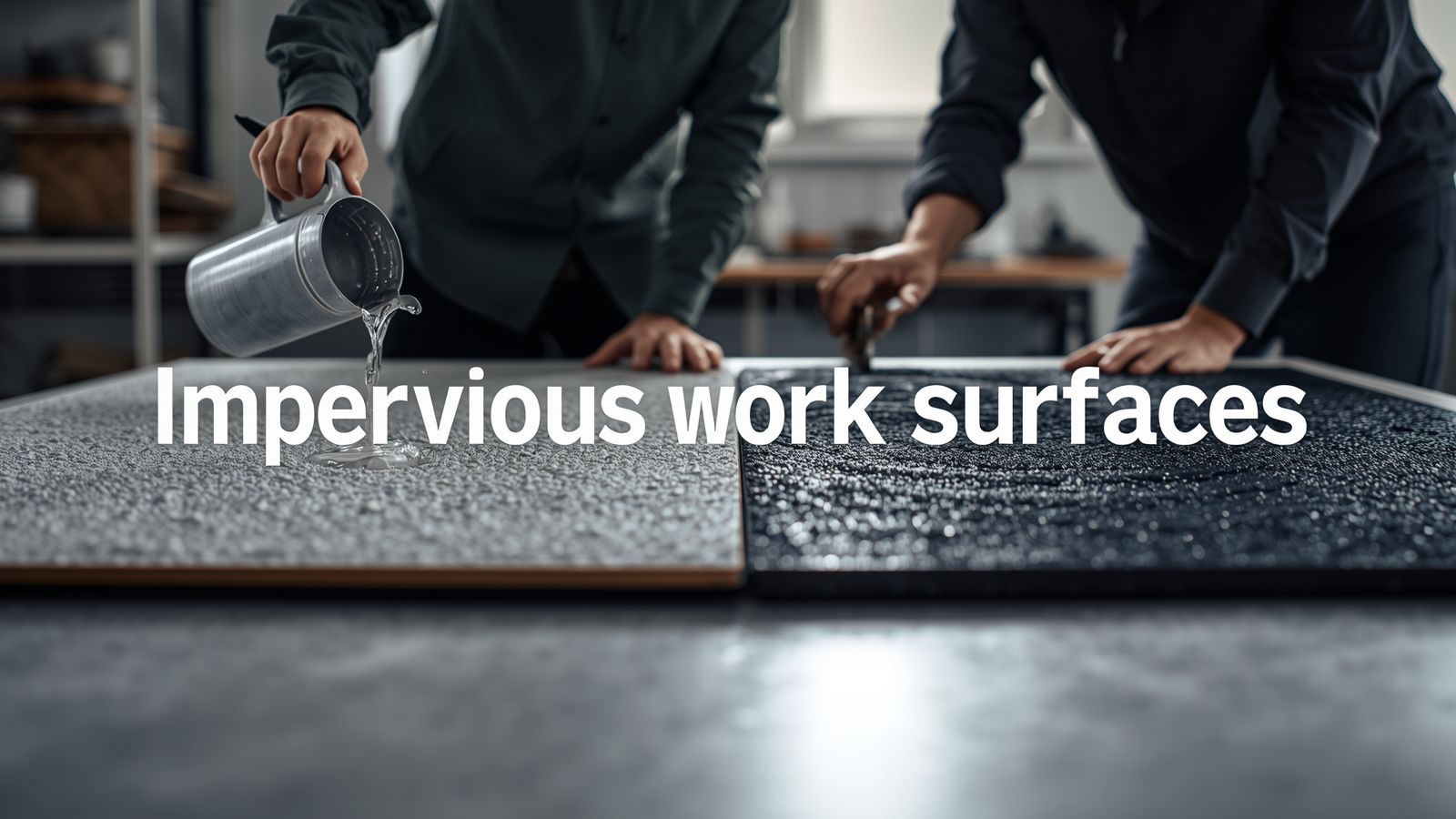
Impervious Work Surfaces
2 CE Hours
Impervious work surfaces use durable, low-permeability materials for floors, walls, and countertops, helping designers choose safe, functional, and suitable finishes for various applications.

In the Light of the Day
2 CE Hours
Sunlight in building design offers health and energy benefits but can also cause heat gain, material damage, and UV exposure, making balanced daylight management essential.
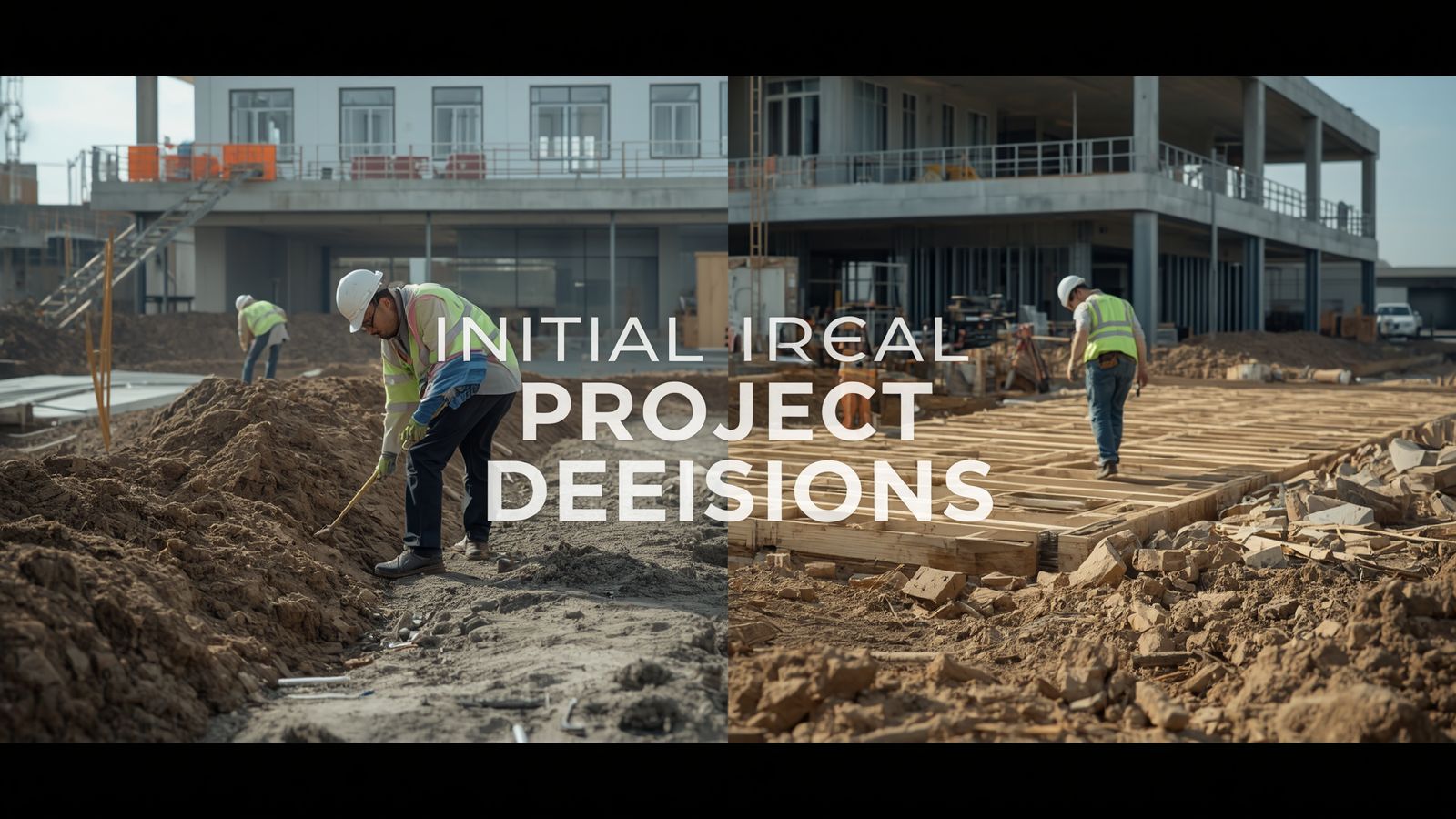
Initial Project Decisions
2 CE Hours
Successful projects begin with proper planning, code compliance, soil testing, and foundation design to ensure structures are stable, safe, and capable of supporting building loads.

Keeping It All Together
2 CE Hours
Construction components are joined using fasteners such as nails, screws, bolts, rivets, adhesives, and welds, each selected for strength, permanence, and application needs.
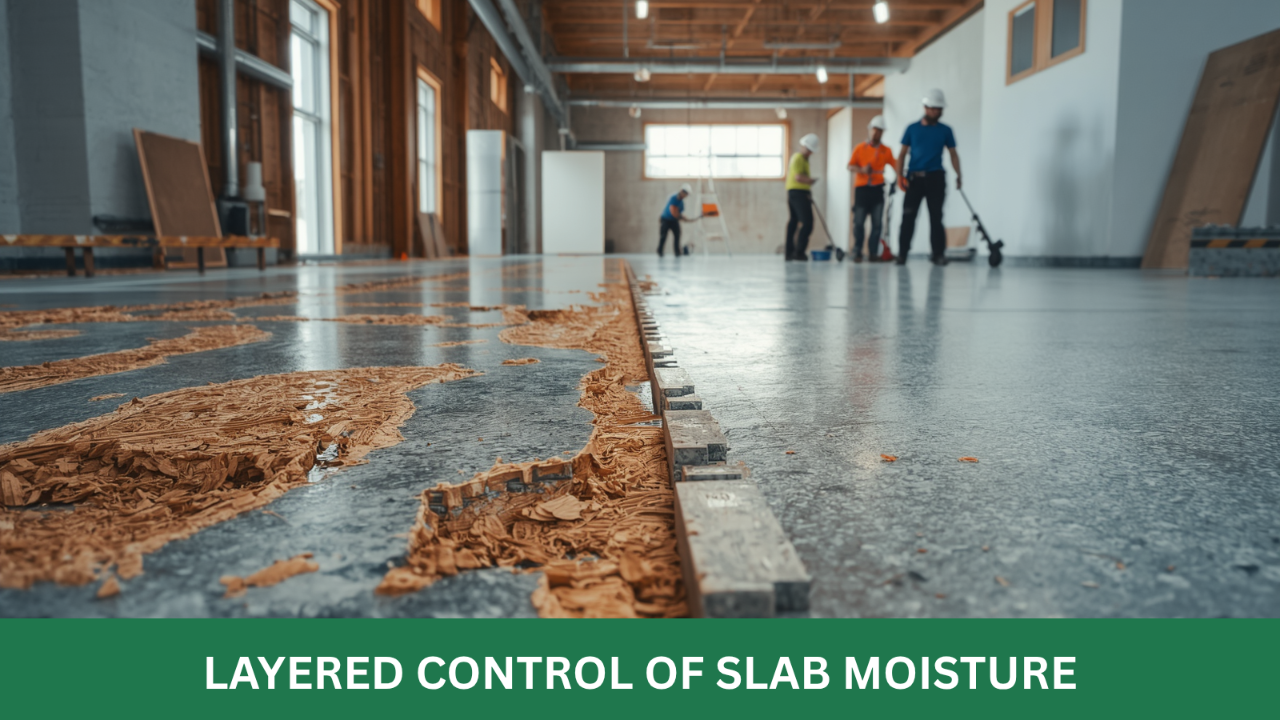
Layered Control of Slab Moisture
2 CE Hours
Layered slab moisture control protects commercial flooring by managing concrete moisture, improving durability, performance, and long-term flooring installation success.
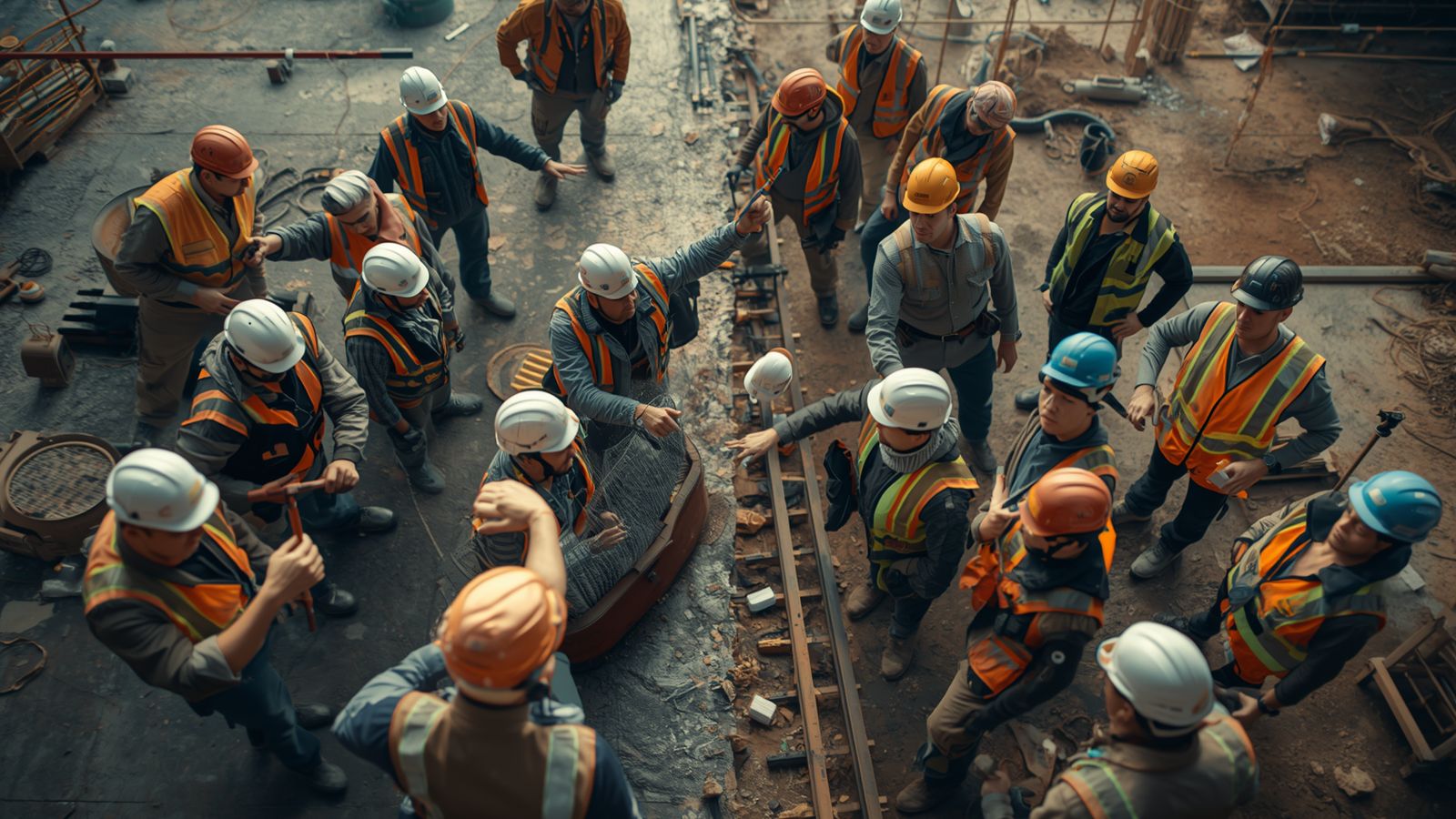
Mind Your Own Business on Job Sites
2 CE Hours
Construction projects succeed when owners, architects, and contractors clearly understand their roles, responsibilities, and boundaries under AIA contract guidelines.
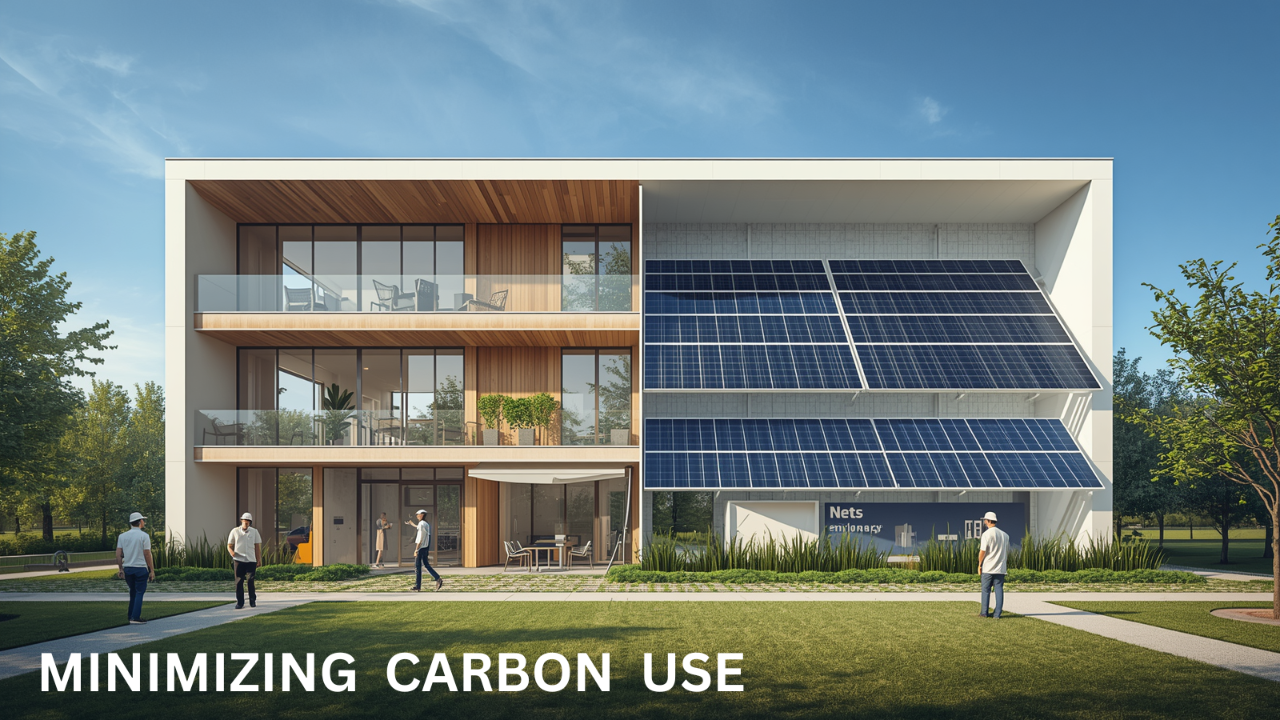
Minimizing Carbon Use
6 CE Hours
Minimizing carbon use focuses on designing energy-efficient, sustainable buildings that reduce emissions, conserve energy, and support net-zero environmental goals.

Leading A Design Firm
1 1/2 CE Hours
Leading a design firm requires strong leadership, industry expertise, teamwork, and self-awareness to build balanced teams and deliver successful projects and business growth.
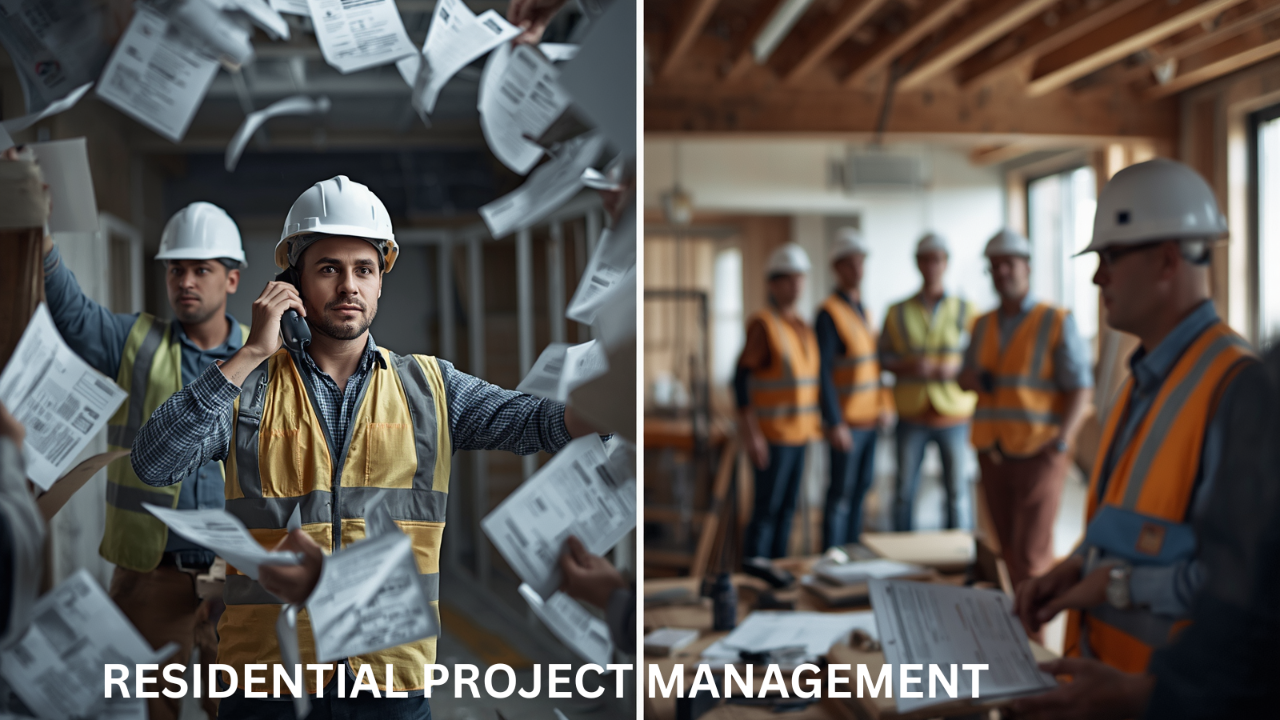
Residential Project Management
2 CE Hours
Residential project management involves coordinating trades, suppliers, schedules, and project delivery methods to successfully guide construction projects from planning to completion.

Sounds About Right-Advice For Acoustic Design
5 CE Hours
Acoustic design controls unwanted noise through sound absorption, blocking, and transmission strategies, improving comfort and meeting growing acoustic standards and codes.
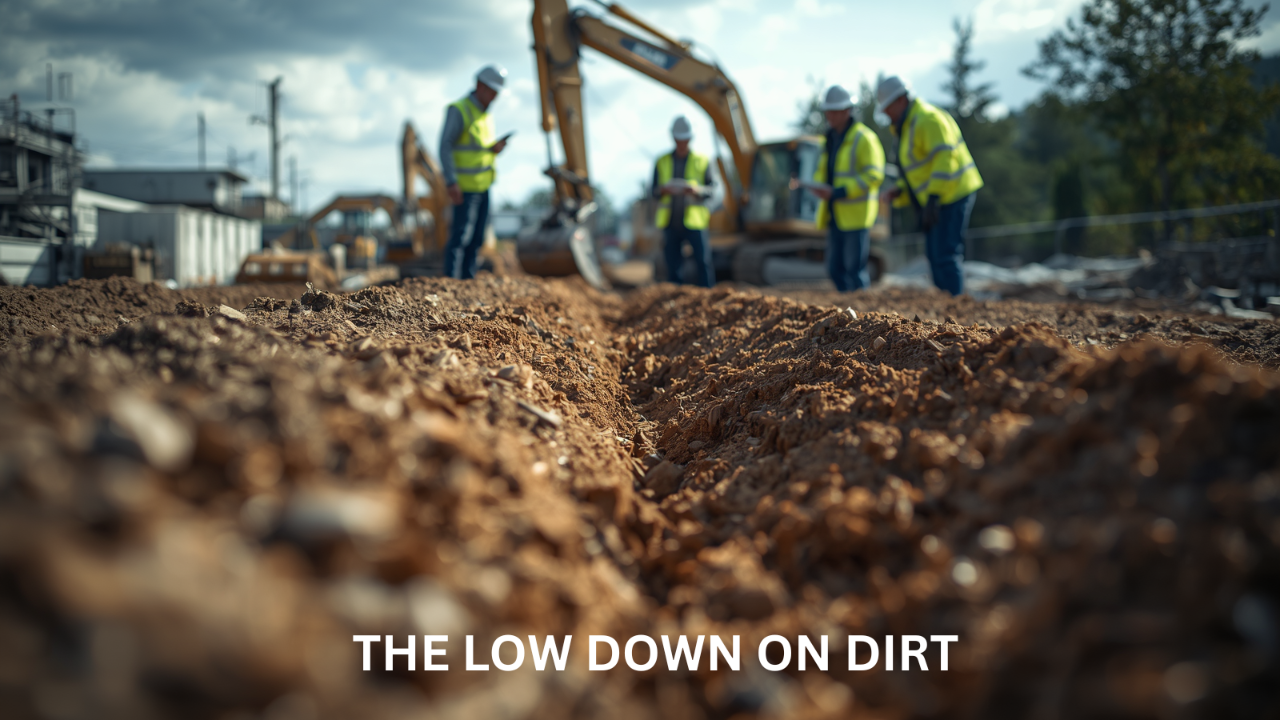
The Low Down On Dirt
2 CE Hours
Soil analysis and testing help determine whether a site can safely support a structure, guiding foundation design, soil improvement, and construction cost decisions.
Three Ways To Murder Fire
2 CE Hours
Fire safety relies on removing heat, oxygen, or fuel from the fire triangle, using building codes and prevention strategies to protect lives and property.

Too Hard To Ignore
2 CE Hours
Concrete remains a widely used construction material due to its durability, versatility, fire resistance, cost-effectiveness, and adaptability in many building applications.
Advanced Florida Building Code, Building - 8th Edition - Architecture
2 CE Hours
This CE course equips architects, engineers, and building professionals with knowledge of the latest changes in the Florida Building Code, Building – 8th Edition (2023), specifically Chapter 4. It emphasizes occupancy‑based requirements, fire protection, smoke control, hazardous materials, healthcare facilities, and swimming pool standards.
Continuing Education for Landscape Architects
Landscape architects also require continuing education to maintain licensure across most U.S. states. While requirements vary, they typically include professional development hours related to design, environmental considerations, site planning, sustainability, and safety.
PDHhub provides access to online courses that support continuing education needs for landscape architects — flexible, self-paced, and available under one annual membership.
Explore More Continuing Education Options
Frequently Asked Questions:
How many continuing education hours do architects need?
Can I complete architecture continuing education online?
Do I have to pay for each course separately?
Will I get a Certificate Upon Completion?

Stay Current With Architecture CE Updates
Get quick updates on new CEU courses, state requirement changes, renewal reminders, and helpful architecture learning insights — straight to your inbox.